 Save
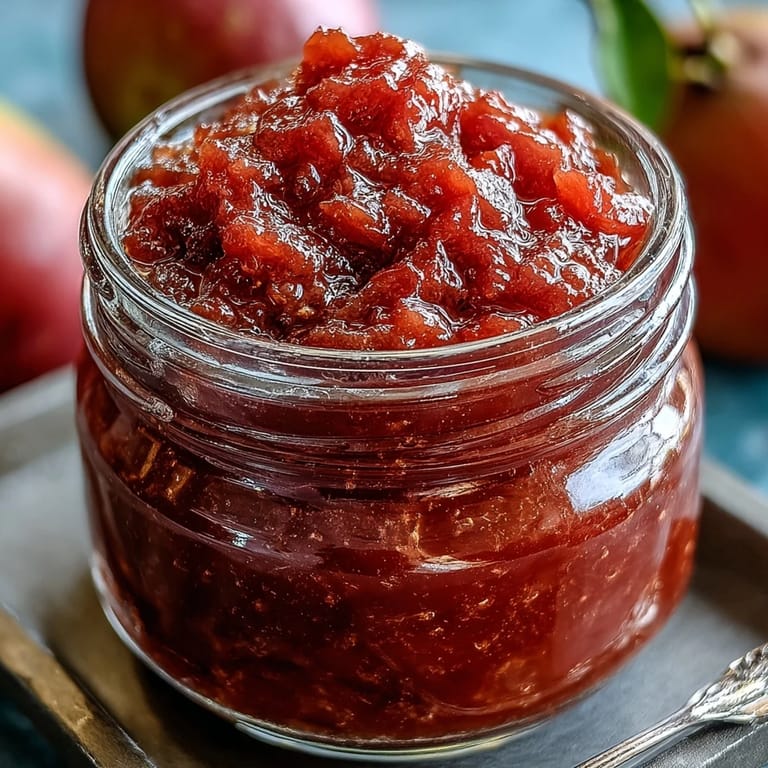
Save My neighbor Maria showed up at my door one afternoon with a grocery bag overflowing with guavas from her cousin's tree, insisting I had to make preserves. I'd never done it before, but her enthusiasm was contagious, and within hours my kitchen smelled like a tropical paradise. That first batch taught me patience—and that the reward for waiting is something you'll actually want to eat every morning for months.
I brought a jar to a dinner party last month, and watching someone taste it for the first time—that little pause, then the smile—made me understand why people used to make preserves like their lives depended on it. It's not just food; it's proof that you care enough to spend an hour stirring a pot.
Ingredients
- 1.5 kg ripe guavas (about 10–12 medium guavas): Look for fruit that yields slightly to pressure and smells aromatic—this is where all your flavor comes from, so don't settle for hard or pale ones.
- 700 g granulated sugar (about 3.5 cups): This might seem like a lot, but sugar is what transforms soft fruit into something with staying power and shine.
- 2 tablespoons fresh lemon juice: It cuts through the sweetness and brightens everything, plus it helps the preserves set properly.
- 1 cup (240 ml) water: This gives your guavas room to soften and release their juices without scorching.
Tired of Takeout? 🥡
Get 10 meals you can make faster than delivery arrives. Seriously.
One email. No spam. Unsubscribe anytime.
Instructions
- Prepare your guavas:
- Wash them under cold water and cut into quarters, then scoop out the seeds with a spoon—it's a bit tedious, but worth keeping as much flesh as you can.
- Cook the fruit:
- Place the guava flesh and water in a large saucepan and bring to a boil, then dial it back to a simmer for 15–20 minutes until the fruit breaks down into soft, pulpy pieces. The kitchen will smell incredible.
- Break it down:
- Mash everything with a potato masher for a rustic texture, or use a blender briefly if you prefer something silkier. Either way works—it's your preserves.
- Strain out the seeds:
- Press the mixture through a fine sieve or food mill to catch any remaining seeds and get a smooth, luscious pulp. This step makes the difference between homemade and store-bought texture.
- Combine and sweeten:
- Return the strained pulp to the saucepan, add the sugar and lemon juice, and stir until the sugar dissolves completely.
- Bring it to a boil:
- Crank the heat to medium-high and stir constantly to prevent the bottom from sticking and burning. This is when you really start to understand the alchemy happening.
- Simmer until thick:
- Reduce heat to medium and stir frequently as the mixture reduces over 35–45 minutes. To test if it's ready, drop a small spoonful onto a chilled plate—if it wrinkles when you push it, you're done.
- Skim and jar:
- Remove any foam with a spoon, then carefully ladle the hot preserves into sterilized jars, leaving about half a centimeter of headspace. Seal immediately while everything is still hot.
- Cool and store:
- Let the jars cool at room temperature, then refrigerate for up to three months. For longer storage, process in a boiling water bath according to standard canning guidelines.
 Save
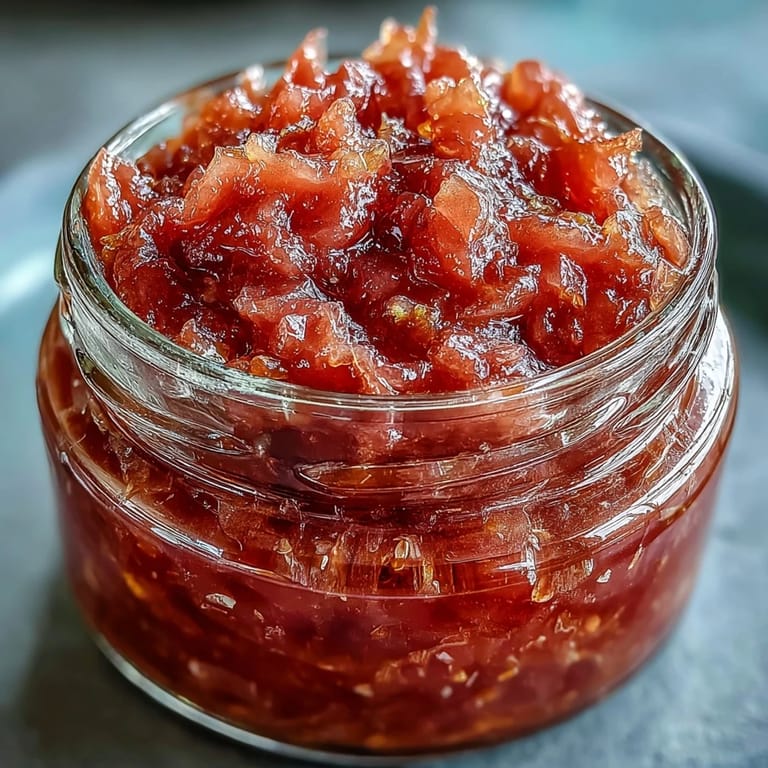
Save My daughter now asks for guava preserves on her birthday pancakes instead of store-bought syrup, and that small shift feels like proof that homemade things matter. There's something about knowing exactly what went into a jar that changes how it tastes.
The Secret to Perfect Texture
Texture is everything with preserves, and it lives in the balance between time and temperature. I learned to listen to my saucepan—the bubbling changes pitch as the mixture reduces, and you start to sense when it's approaching that magical moment of thickness. Stirring frequently prevents the bottom from catching and burning, which would give the whole batch a bitter undertone that you can't fix.
Guava and Cheese, a Match Made Somewhere
A friend who's into charcuterie boards told me that sharp, aged cheeses meet guava preserves like they were destined for each other—the tropical sweetness and slight tartness balance the saltiness and funk of good cheese. Now I always make extra jars just so I have something elegant to bring to gatherings, because there's nothing quite like watching someone discover that combination for the first time.
Ways to Use Your Preserves Beyond Toast
Once you have a few jars, you'll start seeing possibilities everywhere. Swirl it into yogurt for breakfast, use it as a filling for pastries or thumbprint cookies, or serve it alongside roasted pork or duck where the sweetness plays against the richness of the meat. It's become my secret weapon for making simple desserts feel special without much extra work.
- Layer it into a vanilla panna cotta for a dessert that tastes like you spent all day cooking.
- Thin it with a little hot water and use it as a glaze for ham or as a finishing sauce over ice cream.
- Keep a jar in your fridge and use it whenever you need something delicious that's already done.
 Save
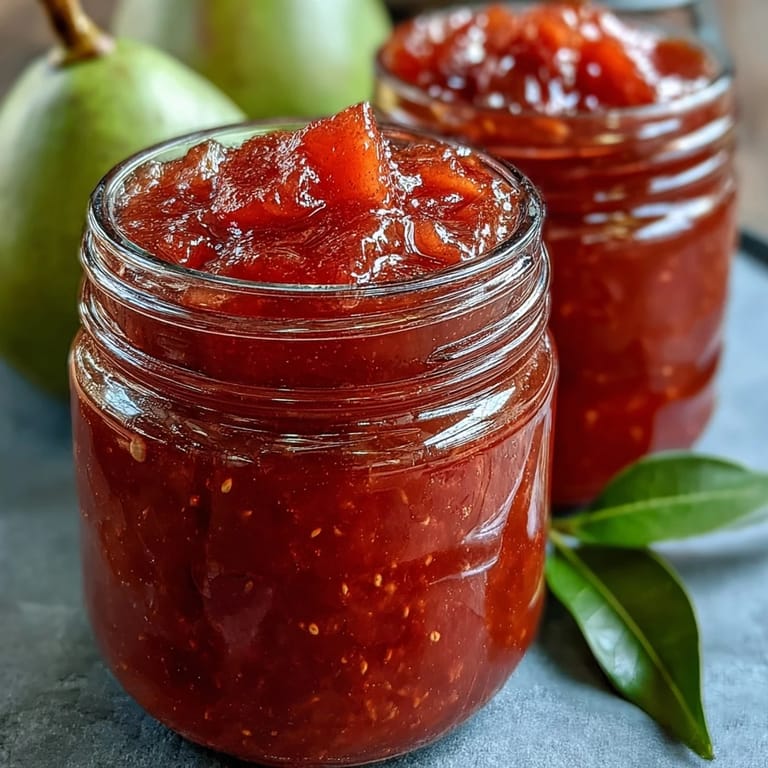
Save Making guava preserves is one of those small kitchen acts that feels like you're doing something meaningful. A year from now, you'll open a jar and remember the afternoon you made it, and that memory makes the toast taste even better.
Recipe FAQ
- → How do I know when the preserves are ready?
Test by placing a small amount on a chilled plate—if the surface wrinkles when pushed with your finger, the preserves have reached the proper setting point. This usually takes 35-45 minutes of simmering.
- → Can I use frozen guavas instead of fresh?
Yes, frozen guavas work well for preserves. Thaw completely before using, and drain any excess liquid. Adjust cooking time slightly as frozen fruit may release more water during the simmering process.
- → What's the best way to store these preserves?
Pour hot preserves into sterilized jars and seal immediately. Keep refrigerated for up to three months. For longer storage, process jars in a boiling water bath for 10 minutes to create a shelf-stable seal.
- → Can I reduce the amount of sugar?
You can reduce sugar slightly, but it helps with preservation and texture. For lower sugar versions, consider adding commercial pectin and storing in the refrigerator rather than canning for long-term storage.
- → What pairs well with guava preserves?
These preserves complement sharp cheeses like aged cheddar or creamy varieties like brie. They're excellent on breakfast toast, in thumbprint cookies, as a filling for pastries, or swirled into yogurt and oatmeal.
- → Why strain the mixture after cooking?
Straining removes guava seeds and any tough fibers, creating a smooth, professional texture. If you prefer chunkier preserves, reserve some mashed fruit pieces before straining and fold them back into the finished mixture.