 Save
Save The sound of a spatula tapping against a baking sheet always puts me in a cooking mood, and that’s exactly how I found myself dreaming up this miso glazed eggplant one rainy afternoon. Imagine the earthy aroma of roasting eggplant mingling with the sweet scent of caramelizing miso—you simply know something special is happening before it even leaves the oven. No big celebrations or milestones, just the lure of umami I couldn’t resist chasing. Sometimes, it’s the small quests for flavor that spark the most joyful kitchen experiments.
One summer evening I served these golden, miso-glazed eggplant halves for friends who’d stopped by unexpectedly and every bite turned into happy laughter and chopsticks clinking. Watching skeptics reach for seconds was proof that a well-glazed vegetable can defy all expectations.
Ingredients
- Eggplants: Go for medium ones with glossy skin—they roast up tender and soak up flavors beautifully when you score them before baking.
- White miso paste (shiro miso): Brings mellow, slightly sweet depth; make sure to use fresh paste for the brightest flavor.
- Mirin: This sweet rice wine gives the glaze its gentle sweetness and helps it caramelize—don’t let it boil away to keep its delicate taste.
- Sake: Adds a whisper of warmth; if you don’t have it, a splash of dry white wine works, though the aroma will shift slightly.
- Sugar: Essential for gloss and that telltale caramelization edge.
- Soy sauce: Rounds out the glaze with salty umami; opt for a low sodium one if you prefer it lighter.
- Sesame oil: Before roasting, this helps bring out the eggplant’s nutty notes and keeps things from sticking.
- Toasted sesame seeds: Sprinkling these on adds crunch and a toasty aroma that shouldn’t be skipped if you can help it.
- Green onions: Sliced finely, they bring a fresh finish against the rich glaze—try tossing them in ice water for extra crispness before serving.
Tired of Takeout? 🥡
Get 10 meals you can make faster than delivery arrives. Seriously.
One email. No spam. Unsubscribe anytime.
Instructions
- Heat up the oven:
- The kitchen gets cozy as you preheat to 400°F (200°C) and line a baking sheet with parchment so cleanup’s a breeze.
- Prepare your eggplants:
- Slice them lengthwise, then carefully score the flesh with a knife in a crosshatch so the glaze will sink in deep; pause for a second to admire the neat pattern.
- Slick with oil:
- Brush the cut sides with sesame oil and nestle them cut side up on the sheet—their pale flesh will turn golden before long.
- Roasting magic:
- Slide the tray into the oven and let them roast for about 25 minutes, until the kitchen fills with the earthy aroma of toasting eggplant.
- Make the miso glaze:
- While they soften, stir miso, mirin, sake, sugar, and soy sauce in a saucepan over low heat until smooth and thickened, like the softest caramel—don’t let it bubble too hard.
- Glaze like a pro:
- Out come the eggplants—soft and ready—dressed generously in that silky glaze you just made.
- Broil and bubble:
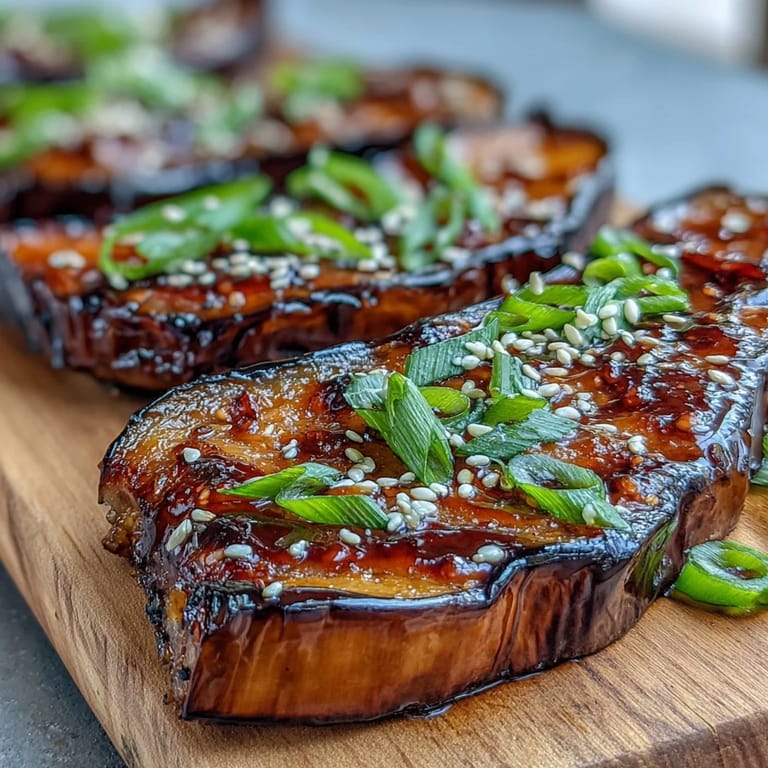
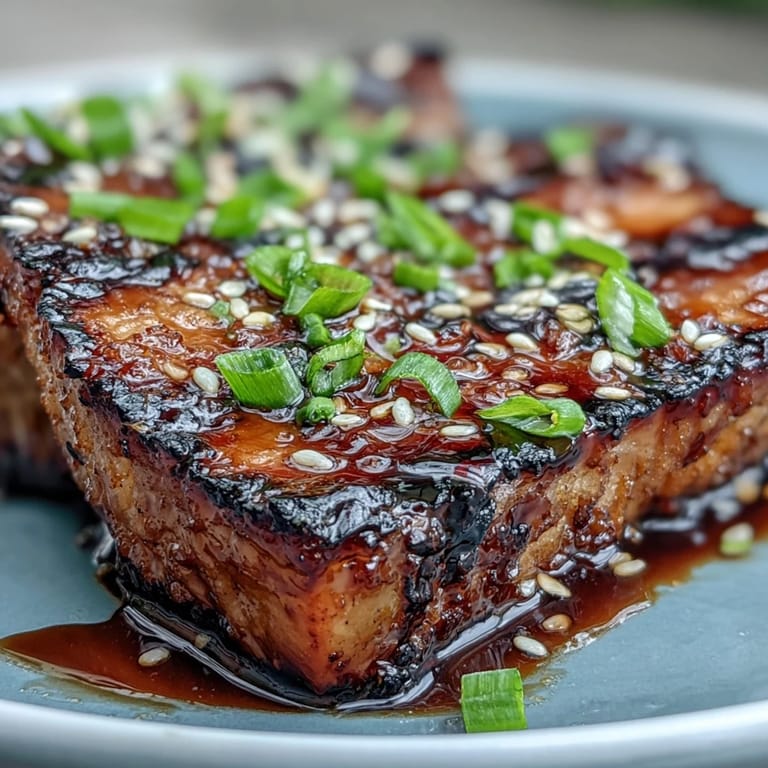
- Pop them back under a high broil and stand watch for 3-5 minutes; the glaze will blister and caramelize, turning gorgeously glossy and bubbling at the edges.
- Plating and serving:
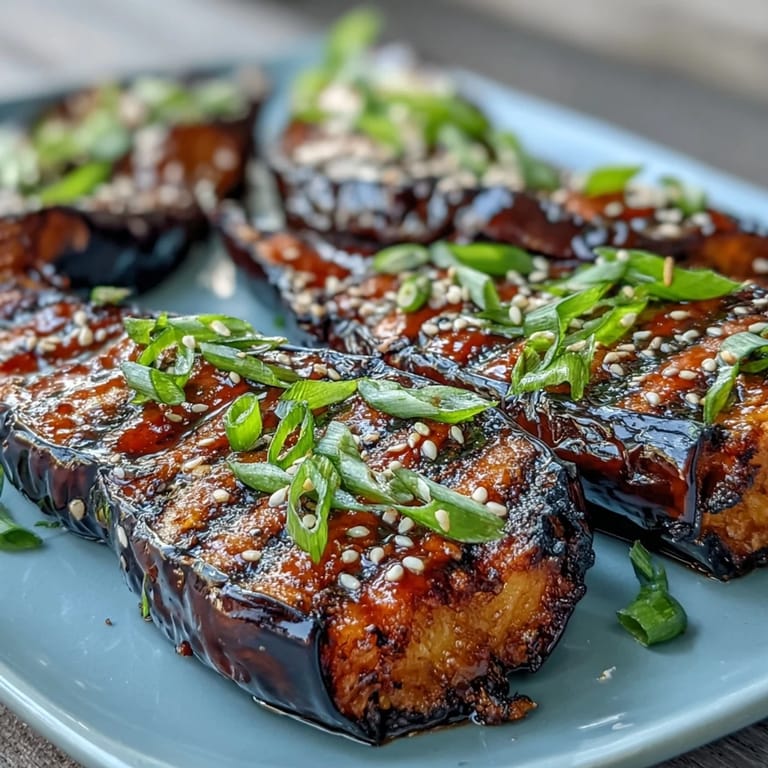
- Gently lift them onto a platter, then scatter with sesame seeds and a shower of green onions for contrast—serve while they’re warm and the glaze is sticky and aromatic.
 Save
Save  Save
Save One night, after the last specks of glaze had been swiped from the platter, I realized this eggplant had sparked real conversation around the table—sometimes a shared surprise is what makes a dish unforgettable.
Swapping and Substituting
On days I've run out of mirin, a blend of rice vinegar and sugar got me surprisingly close to the real thing, so don’t let pantry gaps stop you from trying. If you need it gluten-free, swapping tamari for soy sauce works beautifully—you just might notice an extra depth.
Serving Suggestions That Shine
This dish loves a cozy bed of steamed rice, but I’ve also served it chilled as a salad topping or alongside pan-fried tofu. It’s incredibly versatile and pairs well with crisp pickles or a light miso soup for a balanced meal.
Getting the Glaze Just Right
I've found the most irresistible finish happens when the glaze bubbles just past sticky and stops short of burning—a moment you can tell by its darkened edges and sweet, toasty scent. Don’t rush spreading the glaze: it needs to coat every nook for maximum flavor.
- If your eggplants seem large, give them a few extra minutes in the oven before glazing.
- Keep a close eye on the broiler—caramelization happens in a flash.
- Chilling green onions in ice water helps them curl prettily for garnish.
 Save
Save 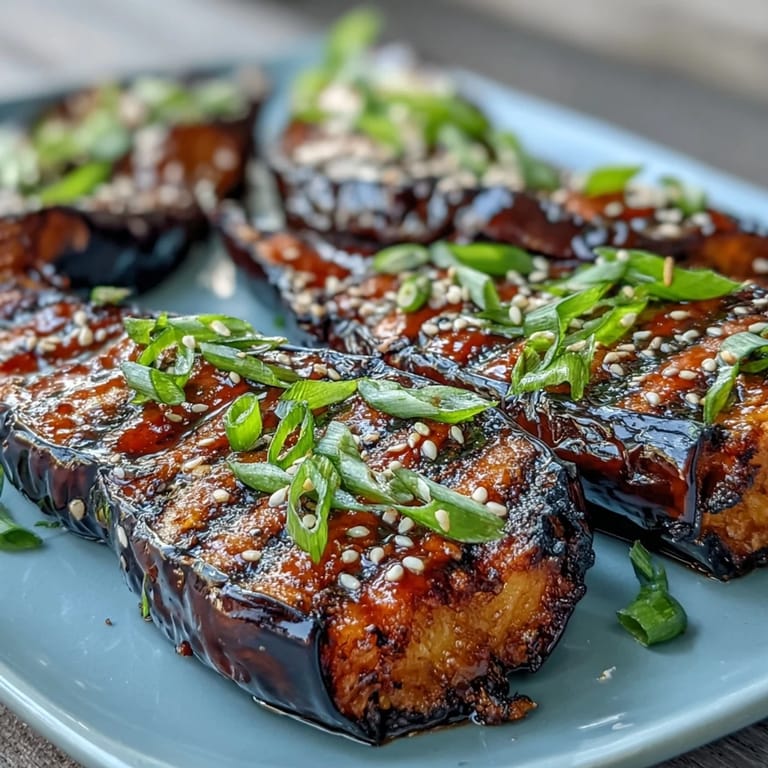 Save
Save May your kitchen be filled with laughter and the promise of sticky, savory goodness whenever you bake up these miso-glazed eggplants. I hope you discover new favorite moments around your table, one glossy bite at a time.
Recipe FAQ
- → What type of eggplant works best?
Slightly firm, medium eggplants are ideal; they hold shape when roasted and develop a tender, silky flesh. Japanese or globe eggplants both work well—adjust roasting time for larger specimens.
- → How do I prevent the flesh from becoming soggy?
Score the flesh in a crosshatch to speed even cooking and let steam escape. Roast cut side up at a high temperature so moisture evaporates and edges brown rather than sit in liquid.
- → Can I make the glaze ahead of time?
Yes. Warm the miso glaze briefly before using if it has thickened. Stir well to reincorporate any separation from cool storage.
- → How do I avoid burning the glaze under the broiler?
Keep the oven rack a safe distance from the heat source, watch closely during broiling, and broil in short bursts until bubbling and caramelized rather than blackened.
- → What are good serving suggestions?
Serve warm over steamed rice, with lightly pickled vegetables, or alongside grilled proteins. Sprinkle toasted sesame seeds and sliced green onions for texture and freshness.
- → Are there simple substitutions for mirin or sake?
Use a mix of rice vinegar and a touch of sugar in place of mirin. If avoiding sake, a mild rice cooking wine or additional mirin substitute will maintain the sweet-acid balance.