 Save
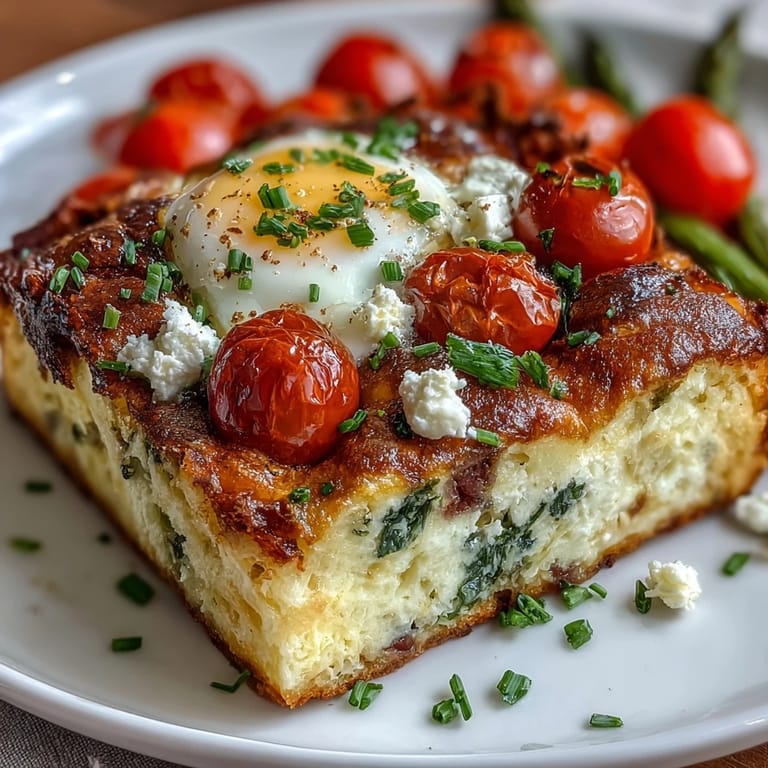
Save Last Easter, the kitchen was ablaze not just with sunlight but with the energy of friends drifting in with coffee cups and unruly laughter. What I remember most is the crisp, green scent of asparagus as I prepped veggies early in the morning, windows cracked open to welcome spring’s freshness. The idea for a sheet pan frittata came after one too many frantic brunches where someone missed out on the good slices. Spreading everything thinly onto a big pan felt like such a practical hack, but as soon as the eggs puffed up golden at the edges, I realized how festive and beautiful the whole thing looked. It's bright, generous, and practically foolproof—a holiday dish that sparkles with casual charm.
There was a particularly chaotic brunch last spring when my cousin’s toddler insisted on ‘helping’—mostly by rearranging the cherry tomatoes across the pan. Those squishy little hands turned my arrangement into a mosaic, and honestly, it looked more joyful than precise. Seeing her pride when we brought the frittata to the table reminded me that sometimes the best food memories are pieced together by unexpected little hands. Now I always ask guests to scatter the toppings—for luck, I say, though it’s mostly for fun.
Ingredients
- Asparagus: Seek out spears that are vibrantly green and firm; trimming and cutting them ensures crisp-tender bites throughout the frittata.
- Cherry Tomatoes: Halved, their juicy sweetness pops against the eggs and brightens each mouthful—don’t skip the scatter across the top for color.
- Bell Peppers (red and/or yellow): Their mild, sweet crunch rounds out the flavor, and a mix of both gives the dish the most cheerful palette.
- Baby Spinach: Lightly chopped, it wilts into the eggs for flecks of green—good for hiding extra nutrients from picky eaters.
- Red Onion: Cutting it thin ensures it softens quickly and adds a whisper of sharpness to balance the cheese.
- Large Eggs: The heart of the frittata—the fresher, the fluffier—let them come to room temperature before whisking if you can.
- Whole Milk: Milk makes the custard tender and smooth; whole milk gives it creaminess without weighing things down.
- Crumbled Feta Cheese (or goat cheese): A salty, tangy lift that loves mingling with bright vegetables; goat cheese melts in for extra silkiness.
- Grated Parmesan Cheese: Adds nutty, savory depth and helps the top turn a beautiful golden brown.
- Olive Oil: Sauté the vegetables in just enough oil for a glossy, rich base—don’t skimp, or the veggies will dry out in the oven.
- Fresh Chives: Chop them fine for gentle sharpness that wakes up eggs and cheese alike.
- Fresh Parsley: Its herbal brightness is essential here; use flat-leaf for best flavor.
- Salt: Go easy if your cheese is very salty, but don’t undersalt or the flavors will fade in the oven’s heat.
- Freshly Ground Black Pepper: Grind it fresh for a bit of peppery energy in the background.
- Smoked Paprika (optional): Just a hint will add warmth and intrigue—try it once, and you may never skip it again.
Tired of Takeout? 🥡
Get 10 meals you can make faster than delivery arrives. Seriously.
One email. No spam. Unsubscribe anytime.
Instructions
- Prep the pan:
- Heat your oven to 400°F and line a rimmed sheet pan with parchment so nothing sticks, brushing it lightly with olive oil if you prefer.
- Whisk eggs & season:
- In a big bowl, whisk together eggs, milk, salt, pepper, and smoked paprika until the mixture is pale and a bit airy—it should look bubbly on top.
- Add cheese & herbs:
- Fold in feta, Parmesan, chopped chives, and parsley so every bite gets herby goodness and pockets of melty cheese.
- Sauté veggies:
- Heat olive oil in a skillet; toss in asparagus, bell peppers, and red onion, letting them sizzle and soften for about 3–4 minutes before adding spinach for just a minute more, enough to wilt.
- Layer the pan:
- Spread the sautéed veggies and halved cherry tomatoes over the sheet pan, scattering them so no square goes veggie-less.
- Pour and arrange:
- Carefully pour the egg mixture on top, tilting the pan or using a spatula to make sure it gets into every corner and covers the vegetables well.
- Settle the mix:
- Give the pan a gentle shake so the eggs level out and there aren't any unexpected peaks after baking.
- Bake:
- Slide the pan into the oven and let the frittata bake for 22–25 minutes; it will puff up, turn golden, and shouldn't wobble in the center when it's ready.
- Cool & slice:
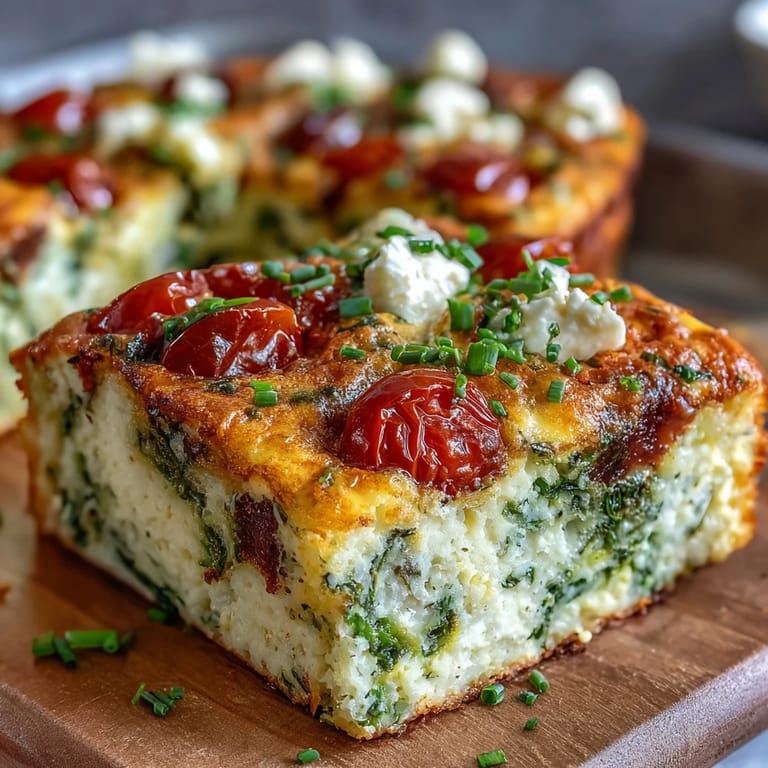
- Rest for five minutes, then slice into big squares and serve warm or even at room temperature—picnic style.
 Save
Save The first time I made this for my book club, everyone edged closer to the kitchen just as the timer chimed—the smell of toasty Parmesan drifting through the house was basically an announcement that brunch was ready. When I finally sliced through the puffy middle, it felt almost ceremonial, and the laughter at the table made me realize this frittata was more than a centerpiece—it really welcomed people in.
Swapping & Substituting
Over the seasons, I've learned that this frittata is endlessly flexible. Sometimes I toss in a handful of peas or swap out the feta for sharp cheddar when that's what’s lurking in the fridge. The trick is to keep the ratios close—about four cups of vegetables total—and not overload with watery produce, so the bake stays fluffy.
Serving Suggestions for Brunch Success
I like to scoop squares onto a big platter with extra ribbons of herbs scattered over the top—it makes even a casual morning feel special. Pairing with a lightly dressed green salad or some crusty bread turns this into a complete meal, and leftovers make a lovely packed lunch. If you have a big crowd, slide the sliced frittata onto bakery wraps or tuck into bento boxes for easy serving.
Make-Ahead and Storage Smarts
Confession: I bake this a day ahead sometimes and it reheats beautifully, which is a lifesaver on event days. Cut it once cool, lift the pieces gently, and store between layers of parchment to keep them neat. The flavors mellow overnight and, honestly, it tastes even better on day two.
- Cool completely before refrigerating to avoid excess moisture.
- A quick warm-up in a low oven restores the frittata’s fluffiness.
- Don’t freeze—the texture goes spongy, so just enjoy within three days if you can.
 Save
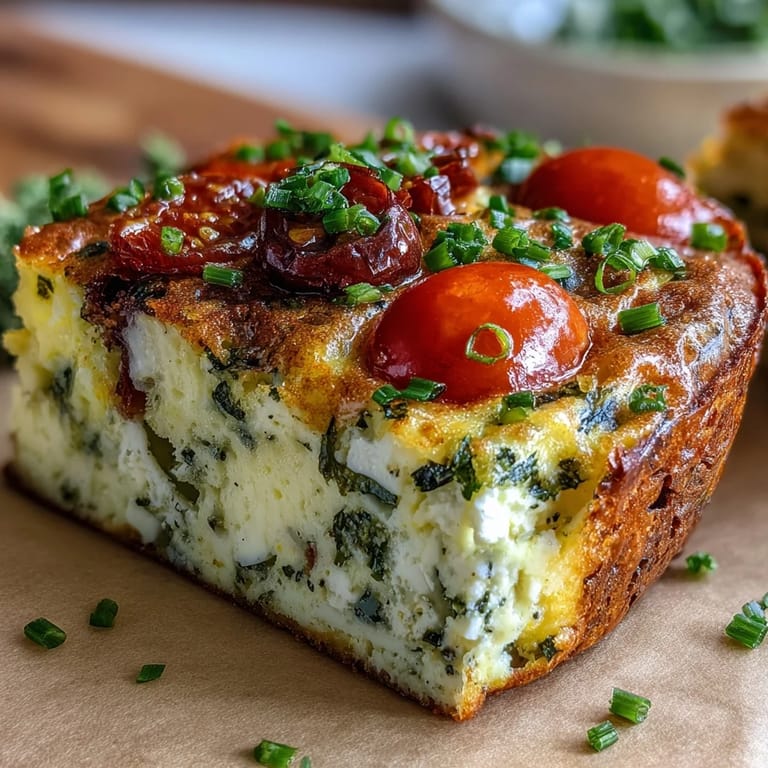
Save No matter how you serve it, there’s something quietly impressive about unveiling a golden, garden-studded sheet pan frittata at any gathering. May your brunches be easygoing, flavor-packed, and full of happy company.
Recipe FAQ
- → How long should I bake the frittata?
Bake at 400°F (200°C) for 22–25 minutes until the eggs are puffed, golden, and set in the center. A gentle jiggle in the middle is fine; allow a 5-minute rest before slicing.
- → Which vegetables work best in the pan?
Asparagus, cherry tomatoes, bell peppers, spinach, and thinly sliced red onion hold up well. Swap in seasonal choices like zucchini, peas, or artichoke hearts as needed.
- → How can I avoid a soggy bottom?
Sauté firmer vegetables first to release moisture and remove excess liquid. Spread them evenly on a rimmed pan and use a hot oven to help the custard set quickly.
- → Is there a dairy-free option?
Use unsweetened plant milk and plant-based cheese alternatives or omit the cheese. Adjust seasoning to taste since plant cheeses vary in saltiness.
- → Can I make it ahead and how do I store leftovers?
Yes. Cool completely, store in an airtight container in the fridge for up to 3 days. Reheat in a moderate oven or a skillet to retain texture; serve warm or at room temperature.
- → What are good serving suggestions?
Cut into squares for easy serving at brunch. Pair with a fresh green salad or crusty bread for a balanced meal and a bright presentation.