 Save
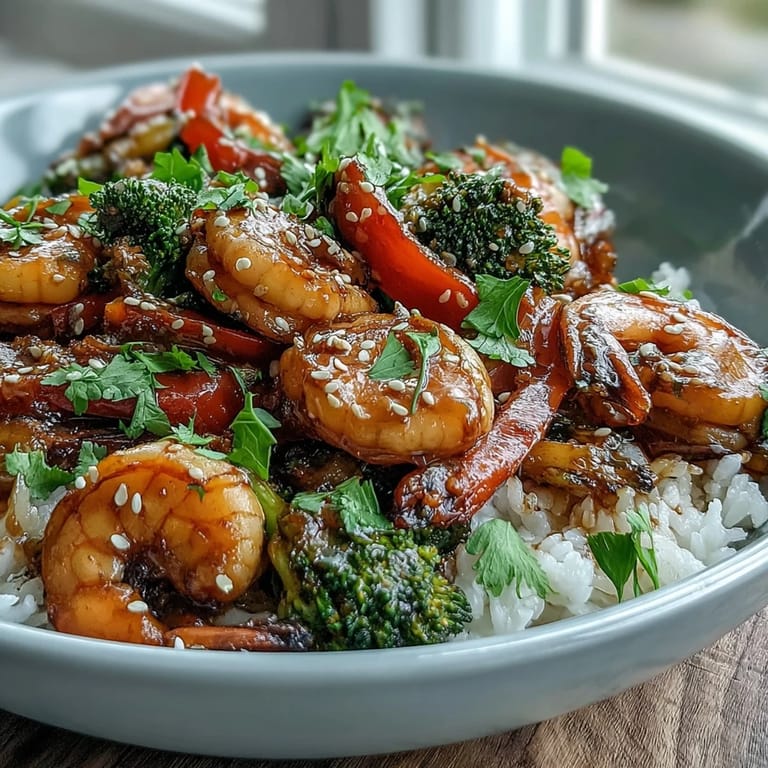
Save My sister called me in a panic on a Tuesday evening, saying she had exactly twenty minutes before her partner arrived home and nothing defrosted in the kitchen. I grabbed my phone, pulled up this shrimp stir-fry, and realized it was the answer to her tiny crisis. The first time I made it for her, the aroma of garlic and ginger filling her apartment felt like I'd handed her a small victory. Now whenever she texts me "Help, dinner emergency," this is what I send back. It's become our go-to proof that something brilliant doesn't need hours of preparation.
I made this for a dinner party once when I was trying to impress someone I really wanted to cook well for, and halfway through sautéing the vegetables, my wok decided to smoke like it was staging a protest. A friend grabbed a window while I just kept stirring, laughing at the chaos, and by the time everything hit the table, we were all so giddy from the theatrical disaster that nobody even noticed my small panic. That meal turned into one of the best nights because the imperfection made it memorable in the best way.
Ingredients
- Shrimp (1 lb, large): Pat them dry before cooking so they actually sear instead of steaming, and check that the grit vein is truly gone because one surprise texture ruins the whole experience.
- Red and yellow bell peppers: The colors matter here not just for looks but because they have different sweetness levels, with yellow being mellower and red more grounded.
- Broccoli florets: Cut them smaller than you think you need to because they soften faster than carrots and you want them all to finish together.
- Carrots (julienned): Thin slices mean they cook in minutes instead of making you wait, which is the entire point of a stir-fry.
- Sugar snap peas: Leave these until the very end if you like them with a real crunch, or add them earlier if you prefer them tender.
- Green onions: Use both the white and light green parts for cooking, saving the dark green tops only for garnish so you get the fresh onion flavor without burning it.
- Soy sauce (low-sodium): This is your salt anchor, so tasting as you go matters more than following the exact amount.
- Oyster sauce: The umami booster that makes people ask what your secret ingredient is, though you can absolutely skip it and add extra soy if you need to avoid shellfish.
- Sesame oil: Use real toasted sesame oil, not the light stuff, and add it at the end so the heat doesn't cook away its personality.
- Honey or brown sugar: A touch of sweetness balances the salt and soy, bringing everything into harmony.
- Rice vinegar: This lifts everything and keeps the sauce from feeling heavy.
- Cornstarch with water: This is what makes the sauce cling instead of pooling at the bottom of the pan.
- Vegetable oil: Split it between two cooking phases so you get shrimp that browns and garlic that doesn't burn.
- Garlic and ginger: Fresh is non-negotiable here because that raw bite is what makes stir-fries feel alive.
- Sesame seeds and cilantro: Optional garnish, but they finish the dish like an actual final thought instead of something that just stops.
Tired of Takeout? 🥡
Get 10 meals you can make faster than delivery arrives. Seriously.
One email. No spam. Unsubscribe anytime.
Instructions
- Mix your sauce first:
- Whisk everything together in a small bowl and set it next to your cooking station so you're never scrambling while things are already sizzling. This sauce sits happily while you prep, which is half the battle won.
- Get your shrimp ready:
- Pat them completely dry with paper towels because any moisture means they won't brown, then season lightly with salt and pepper. Wet shrimp is steamed shrimp, and we want actual color here.
- Cook the shrimp first:
- Heat one tablespoon of oil in your wok or skillet over medium-high heat until it shimmers, then add shrimp and let them sit for a minute before stirring so they get a real sear. Two to three minutes total and they should be pink all the way through, at which point you pull them out completely and set them aside.
- Build your flavor base:
- Add the remaining oil to the now-empty pan, drop in your minced garlic and grated ginger, and let them sizzle for just thirty seconds until your kitchen smells like it means business. This quick step infuses the oil with all that depth.
- Stir-fry the vegetables:
- Toss in your bell peppers, broccoli, carrots, and sugar snap peas all at once and keep them moving for three to five minutes until they're crisp-tender with just a little resistance when you bite. The exact time depends on how thin you sliced them, so taste as you go.
- Bring everything home:
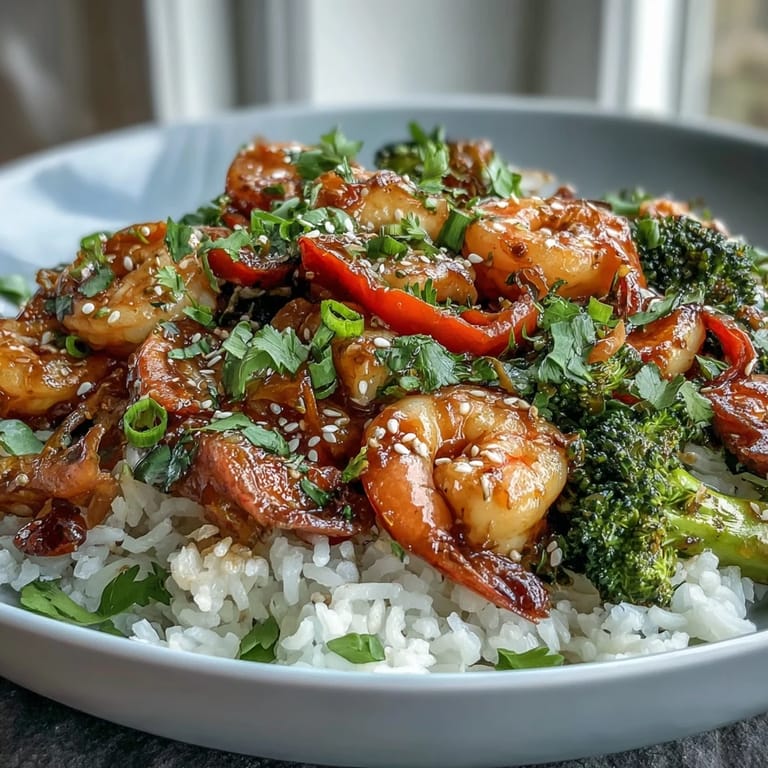
- Return the shrimp to the pan with the green onions, pour in your waiting sauce, and stir everything constantly for two to three minutes until the sauce thickens and coats everything evenly. You'll see it go from liquid to glossy, which is your visual cue that you're done.
- Finish and serve:
- Scatter sesame seeds and fresh cilantro over the top if you're using them, then get it to the table immediately because stir-fries are best hot and the vegetables stay crispest this way. Serve with steamed rice or noodles if you want, but honestly it's wonderful on its own.
 Save
Save This stir-fry taught me that dinner doesn't have to be complicated to be memorable, and that sometimes the best meals are the ones where you're so focused on the cooking that you forget to worry about impressing anyone. When everyone's actually enjoying themselves, they're tasting the garlic and the snap of the vegetables, not your anxiety.
The Magic of High Heat
The reason stir-fries taste nothing like what you remember from your first attempt probably has everything to do with pan temperature. If your wok or skillet isn't properly hot before the shrimp hits it, you're just poaching instead of searing, and poached shrimp tastes like disappointment. Let the oil shimmer and move, really move, across the surface before you start, and you'll understand why this dish became a weeknight staple for people who actually care about how their food turns out.
Timing Is Everything
The hardest part of this recipe isn't the cooking; it's the orchestration. You're juggling shrimp that needs to be done first, vegetables that all cook at different rates, and a sauce that's only good for a moment before it sets. Mise en place, which is just a fancy way of saying have everything cut and ready before you turn on the heat, isn't fussy here, it's survival. I learned this the hard way when I was chopping a carrot while garlic was already burning, and I've never let it happen twice.
Making It Your Own
Once you've made this a few times and it feels natural in your hands, the real cooking begins. The sauce ratio is a starting point, not a rule, so if you like things spicier or sweeter or more acidic, adjust it without asking permission. Some nights I add a pinch of red pepper flakes, other times I throw in water chestnuts because that's what's in the crisper drawer.
- Fresh chili slices or sriracha bring a warmth that builds as you eat and makes you reach for the rice.
- Substitute shrimp with chicken thighs if you want something that feels more substantial, though you'll need to cook them longer.
- Tofu works perfectly if you're feeding vegetarians, and it actually soaks up the sauce better than shrimp does.
 Save
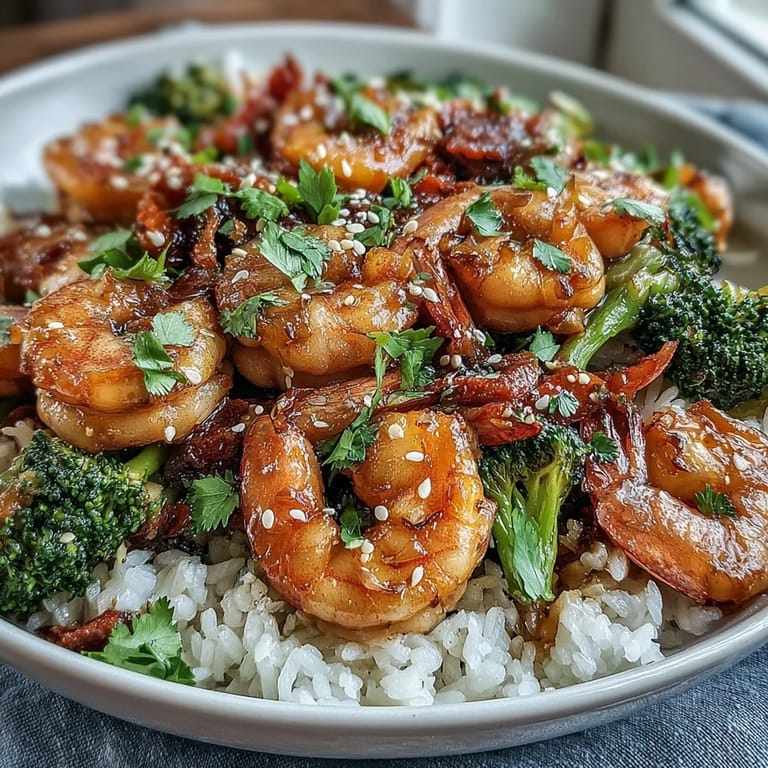
Save This stir-fry sits in that perfect place where it's fast enough for a Tuesday night but feels special enough for people you actually want to impress. Make it once and you'll understand why it keeps coming back.
Recipe FAQ
- → What vegetables complement shrimp in stir-fries?
Bell peppers, broccoli, carrots, snap peas, and green onions provide a crisp, colorful balance to shrimp in stir-fries.
- → How do I make the garlic-ginger sauce thicker?
Mix a small amount of cornstarch with water to create a slurry and add it to the sauce while cooking to thicken it.
- → Can I substitute shrimp with other proteins?
Yes, chicken or tofu can be used as alternatives for variation while maintaining similar cooking times.
- → What oils work best for stir-frying seafood?
Vegetable oils like canola or peanut oil are ideal due to their high smoke points and neutral flavor.
- → How can I add a spicy kick to this dish?
Adding red pepper flakes or sliced fresh chili during cooking gives the stir-fry a pleasant heat.