 Save
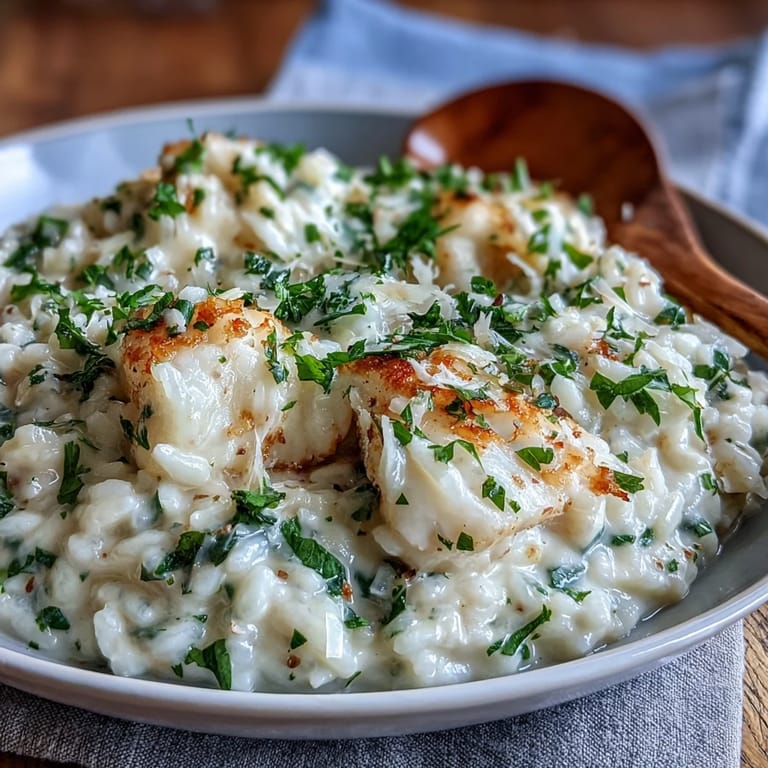
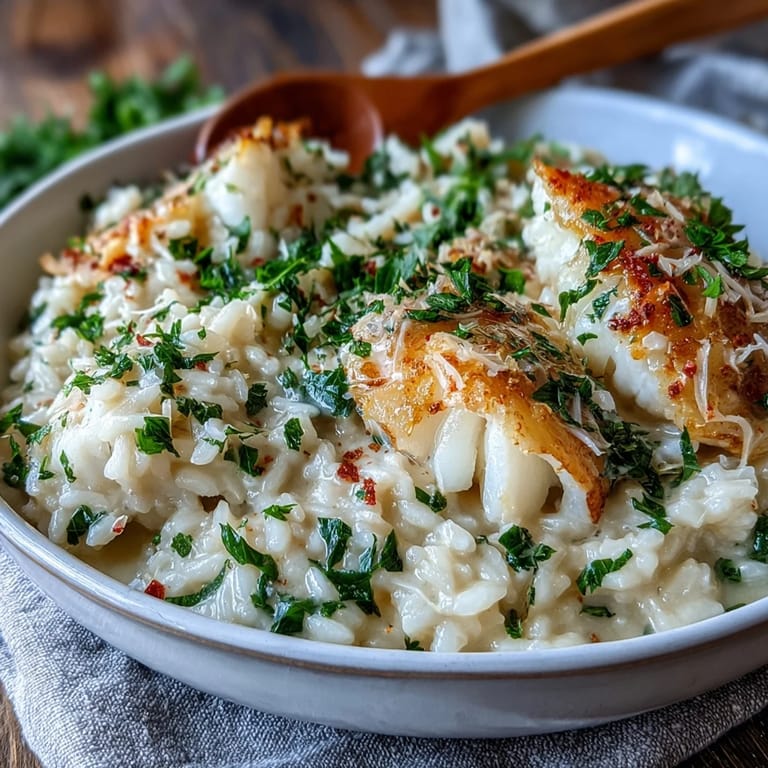
Save There's something about smoked haddock that stops me mid-thought—that whisper of smoke curling through creamy rice, the way it transforms something simple into something that feels both comforting and sophisticated. My neighbor brought a fresh fillet to my door one autumn morning, and I had risotto rice already sitting in my cupboard, so I thought, why not? The result was so good that I've been making it ever since, usually when I want to feel like I'm cooking something special without the fuss.
I made this for a small dinner party last winter when a friend mentioned she was tired of the same old chicken dishes. Watching her face light up as she took the first bite—that moment when she paused and said, "This tastes like the sea, but warm"—that's when I knew this recipe was keeper-worthy. It's become my go-to when I want to impress without fussing.
Ingredients
- Smoked haddock fillets: Look for undyed ones—they give a gentle golden warmth without artificial color, and the flavor is cleaner and more honest.
- Whole milk: This becomes your poaching liquid and adds richness later, so don't skip it or swap it for water.
- Fish or vegetable stock: Keep it hot in a separate pan so it flows into the rice smoothly without shocking it into seizing up.
- Arborio or Carnaroli rice: These release starch as they cook, creating that signature creamy texture that makes risotto so comforting.
- Onion, leek, and garlic: The leek adds subtle sweetness; don't rush this soften-it-slowly step or you'll miss the flavor foundation.
- Butter and olive oil: Butter for richness, olive oil for body—together they keep the rice from sticking and add depth.
- Parmesan cheese: Freshly grated, not pre-shredded, so it melts silky into the risotto instead of clumping.
- Lemon zest and parsley: These brighten everything at the end, cutting through the richness with a lift of freshness.
Tired of Takeout? 🥡
Get 10 meals you can make faster than delivery arrives. Seriously.
One email. No spam. Unsubscribe anytime.
Instructions
- Poach the haddock gently:
- Place the fish in a saucepan with milk and bring it to a gentle simmer—you want tiny bubbles, not a rolling boil. After 5 to 7 minutes, the flesh will turn opaque and flake easily. Remove it with a slotted spoon and set it aside, letting it cool just enough to handle, then flake it into large, tender pieces. Keep that poaching milk; it's liquid gold for your risotto.
- Build your aromatic base:
- Heat the olive oil and butter in a large, heavy pan over medium heat. Toss in the chopped onion, leek, and garlic, stirring them every minute or so until they're soft and smell almost sweet—this takes about 5 minutes and sets the whole tone of the dish.
- Toast the rice:
- Stir in the rice and cook it for 1 to 2 minutes, stirring constantly. You'll notice the grains turn slightly translucent around the edges—that's your signal that they're ready to absorb liquid.
- Add the poaching milk first:
- Pour in all the reserved poaching milk and stir gently but often. Wait until it's mostly absorbed before moving to the next step; this patience is what creates the creamy texture.
- Gradually add the stock:
- Add the hot stock one ladle at a time, stirring frequently and waiting for each addition to absorb before adding more. This slow, steady process usually takes about 20 minutes and lets the rice release its starch gradually, creating that signature risotto creaminess. You'll feel the rice shifting from grainy to silky under your spoon.
- Fold in the fish and finish:
- When the rice is creamy and tender but still holds its shape, gently fold in the flaked haddock, Parmesan, lemon zest, and fresh parsley. Season carefully with black pepper and sea salt—taste as you go because Parmesan is salty and smoked fish adds saltiness too. If you want extra richness, add a final knob of butter here.
- Rest and serve:
- Remove from heat, cover the pan, and let it sit for 2 minutes. This rest redistributes the heat and lets everything settle into a silky, cohesive dish.
 Save
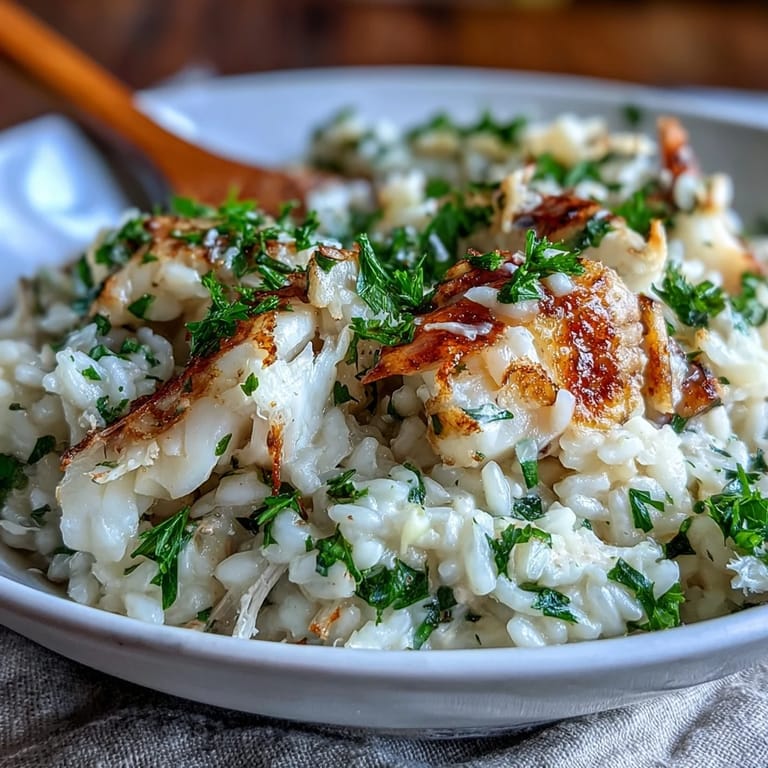
Save One evening, I served this to someone who claimed they didn't really enjoy risotto, and they ate two full bowls without saying much. When they finally looked up, they said, "That's because I usually get the gluey kind." The smokiness of the haddock paired with the brightness of lemon and parsley had somehow made the dish feel lighter and fresher than they expected, and I realized that risotto isn't heavy—it's just misunderstood.
The Beauty of Smoked Fish in Risotto
Smoked haddock brings a quiet sophistication to risotto that feels unexpected. Unlike fresh fish, which would disappear into the rice, smoked haddock keeps its identity—subtle but present, warm but never overwhelming. The smoke works beautifully with the buttery, creamy rice base, creating a depth of flavor that feels almost luxurious. I've found that undyed haddock makes a real difference; the dyed version sometimes tastes a bit plastic, while undyed smoked haddock carries a genuine sweetness underneath the smoke.
Timing and Temperature Mastery
The secret to this dish working well is keeping everything warm and moving at the same pace. If your stock is cold when you add it, the risotto seizes and refuses to cream properly—I learned this the hard way on my third attempt. Keeping the stock at a low simmer in a separate pot means it flows into the rice smoothly, continuing the cooking process instead of interrupting it. The heat matters just as much as the motion; medium heat gives you time to stir and adjust without the rice cooking too fast or burning on the bottom.
Why This Works as a Meal
Risotto is one of those dishes that feels complete on its own because it has protein, starch, and a sauce all built in. The smoked haddock adds lean protein, the rice provides filling substance, and the butter and Parmesan create a luxurious sauce that holds everything together. You don't need sides, though a simple green salad with a lemon vinaigrette cuts through the richness beautifully, and a crisp Sauvignon Blanc or dry Riesling beside the plate feels like the right move. A warm bowl, quiet evening, good wine, and this dish—that's when you know you're doing something right in the kitchen.
- For extra richness, stir in a splash of cream at the very end, just before serving.
- If you want a milder onion flavor, swap the leek for sliced spring onions stirred in at the finish instead.
- Freshly grated Parmesan melts silky; pre-shredded cheese tends to clump and never fully incorporates.
 Save
Save This risotto taught me that comfort food doesn't have to be heavy or predictable—it just needs to be made with real ingredients and real care. It's the kind of dish you'll find yourself making again and again, each time feeling like you're treating yourself to something special.
Recipe FAQ
- → Can I use frozen smoked haddock for this risotto?
Yes, frozen smoked haddock works well. Thaw it completely in the refrigerator overnight before using, and pat dry with paper towels to remove excess moisture before poaching.
- → What type of rice is best for making risotto?
Arborio or Carnaroli rice are ideal choices as they contain high starch content that creates the signature creamy texture. Arborio is more widely available, while Carnaroli holds its shape slightly better.
- → Can I prepare this dish ahead of time?
Risotto is best served immediately for optimal creaminess. However, you can poach the haddock and prepare the aromatics in advance, then cook the rice fresh when ready to serve.
- → What can I substitute for smoked haddock?
Smoked cod, smoked trout, or even hot-smoked salmon make excellent alternatives. Each will bring a slightly different flavor profile while maintaining the smoky character of the dish.
- → How do I know when the risotto is properly cooked?
The rice should be al dente—tender but with a slight bite in the center. The texture should be creamy and flow slightly when plated, not stiff or soupy. This typically takes 18-22 minutes of cooking.
- → Why is my risotto too thick or too runny?
If too thick, add more warm stock a little at a time. If too runny, continue cooking uncovered while stirring to evaporate excess liquid. The consistency should be creamy and slightly loose.