 Save
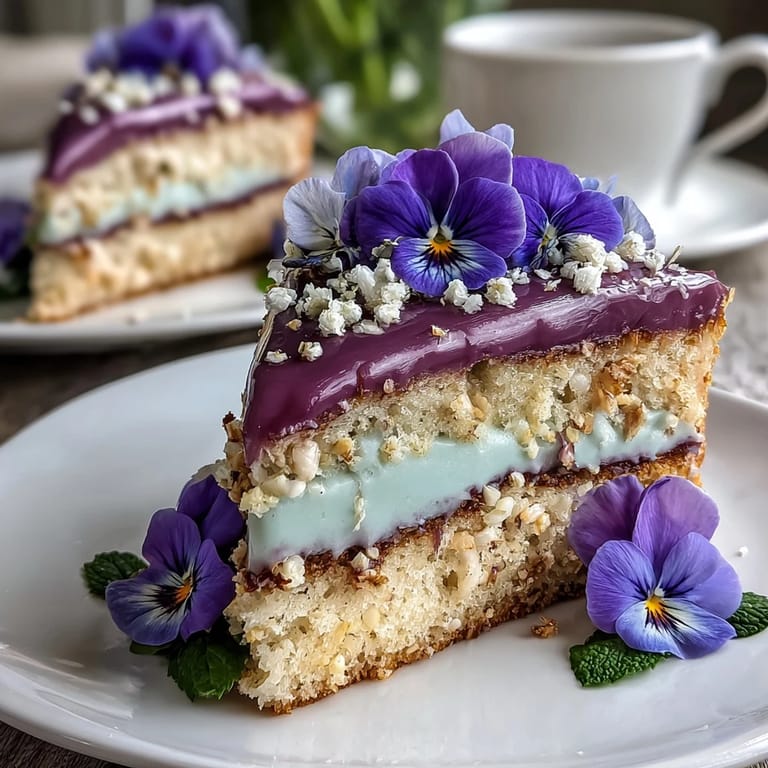
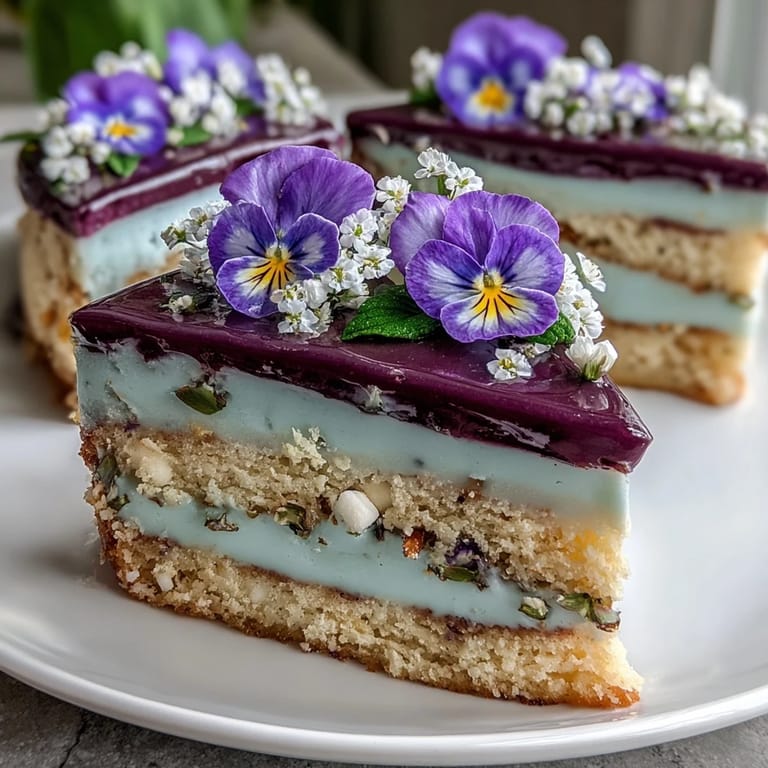
Save Last spring, my neighbor brought over a cake decorated with pansies she'd pressed herself, and I realized I'd been overthinking elegance my whole life. The way those flowers caught the light against the cream was so simple yet breathtaking that I went home and immediately started pressing flowers between cookbook pages. Now this vanilla cake with its cloud-like frosting and garden-fresh petals is my go-to for anyone celebrating anything worth celebrating.
I made this for my sister's birthday last May, and what stuck with me wasn't the compliments but her quiet smile when she realized I'd pressed violets from her own garden onto the cake. She'd planted them years ago, forgotten about them, and suddenly there they were, transformed into something beautiful on her dessert. That's when I understood this recipe isn't really about baking—it's about paying attention to the small things.
Ingredients
- All-purpose flour (2 1/2 cups): Measure it by spooning into your cup and leveling off; scooping directly compacts it and throws off your proportions.
- Baking powder (2 1/2 tsp): Check the expiration date because old leavening won't give you that tender crumb you're after.
- Salt (1/2 tsp): This brightens the vanilla and balances the sweetness in ways you won't consciously notice but absolutely will taste.
- Unsalted butter (1 cup), softened: Room temperature is non-negotiable here; cold butter won't cream properly and you'll end up with a dense cake.
- Granulated sugar (1 3/4 cups): The creaming process aerates the batter, so don't skip that 3-4 minutes of beating.
- Eggs (4 large), at room temperature: Cold eggs don't incorporate smoothly and can cause your batter to break or become lumpy.
- Pure vanilla extract (1 tbsp): Splurge on real vanilla here; it's the backbone of this cake's delicate flavor.
- Whole milk (1 cup), at room temperature: This keeps the crumb tender without making it dense, and the temperature matters for emulsification.
- Heavy whipping cream (2 cups), cold: Keep your bowl and beaters chilled too, and watch for stiff peaks—overmixing turns it grainy and broken.
- Powdered sugar (1/2 cup): Sift it first so there are no little lumps hiding in your frosting.
- Pressed edible flowers (1/2-1 cup): Source these organically and press them between parchment and heavy books for at least 24 hours; they need to be completely dry or they'll weep into your frosting.
- Fresh mint leaves (optional): These add a pop of green and a whisper of garden freshness if you want it.
Tired of Takeout? 🥡
Get 10 meals you can make faster than delivery arrives. Seriously.
One email. No spam. Unsubscribe anytime.
Instructions
- Prepare your pans and preheat:
- Grease those 8-inch round pans generously and line them with parchment paper so your cake doesn't stick. Set your oven to 350°F and let it warm while you gather your ingredients—rushing into a cold oven is a common mistake that affects rise and baking time.
- Sift and set aside the dry ingredients:
- Whisking flour, baking powder, and salt together aerates the flour and distributes the leavening evenly. This small step makes a noticeable difference in crumb texture.
- Cream butter and sugar until fluffy:
- Beat for a full 3-4 minutes until the mixture is pale and looks almost mousse-like; this is where air gets incorporated into the cake. You'll hear the mixer sound change when you've hit the right point.
- Add eggs one at a time:
- Adding them individually and beating after each one ensures they emulsify properly and don't deflate your batter. If your mixture looks broken or curdled, a splash of flour will help it come back together.
- Alternate flour and milk, beginning and ending with flour:
- This pattern prevents overmixing and keeps the batter smooth and light. Mix just until combined—you want to see no white streaks of flour, but don't beat it into submission.
- Divide and bake:
- Pour the batter evenly between pans and smooth the tops so they bake at the same rate. At 30-35 minutes, the toothpick should come out clean with maybe one or two moist crumbs—that's the sweet spot.
- Cool with patience:
- Let the cakes cool in the pans for 10 minutes (this helps them set and release cleanly), then turn them out onto wire racks to cool completely. Trying to frost a warm cake turns your frosting into a puddle.
- Make whipped cream frosting in a chilled bowl:
- Beat cold cream with powdered sugar and vanilla until stiff peaks form; watch it carefully because the line between perfect and grainy is about 30 seconds. Temperature matters more than you'd think.
- Assemble and frost:
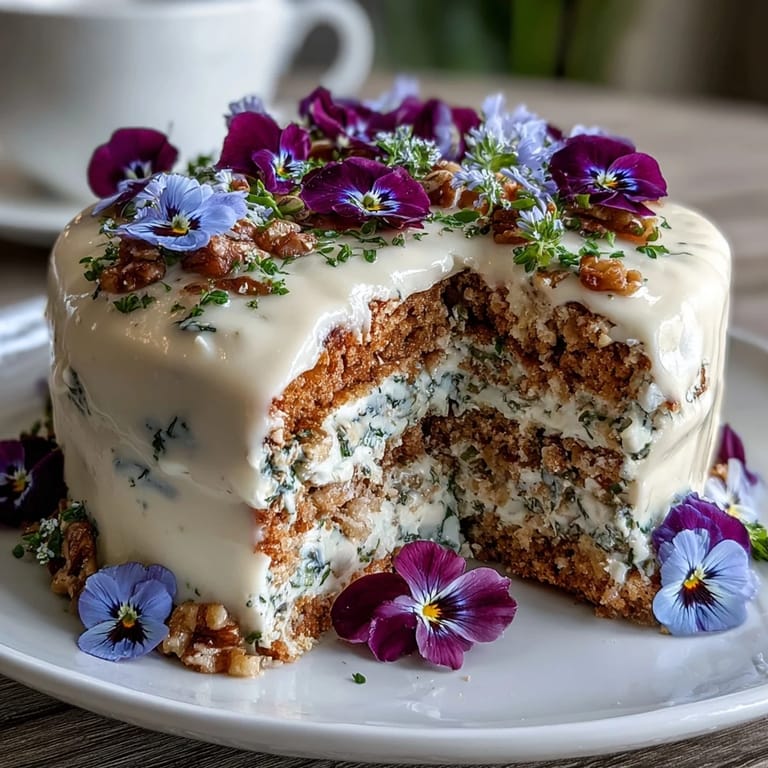
- Place the first cake layer on your serving plate, spread with frosting, add the second layer, then frost the top and sides. An offset spatula makes this easier, but a regular knife works fine if you have a steady hand.
- Press flowers onto frosting:
- Gently press your dried flowers into the sides and top of the cake while the frosting is still soft enough to hold them. They should adhere without sinking in.
- Chill before serving:
- At least 30 minutes in the fridge sets everything and lets the flavors meld slightly. This also makes the cake easier to slice cleanly.
 Save
Save A friend once told me that you can taste the care in a cake, and I think she was right. When you slow down to press flowers and take time to cream butter properly, that intention somehow makes its way into the flavor.
The Importance of Flower Preparation
Pressing edible flowers is almost meditative if you let it be. I started keeping a small stack of books on a shelf just for this purpose, and now I press whatever's blooming—violets, pansies, rose petals, even chamomile flowers when I remember. The anticipation of opening those books a week later and seeing perfect dried petals never gets old. The key is using only organically grown flowers that have never been sprayed, and checking multiple times that they're completely dry before touching your frosting. Once you've been burned by a weeping petal seeping color into your cream, you'll never take this step lightly again.
Storing and Serving
This cake keeps beautifully in the refrigerator for up to three days, which means you can bake the layers a day or two ahead and decorate the morning of your celebration. The frosting stays stable and the flowers stay put, which is the whole point of chilling it before serving. I've learned that pulling it out about 15 minutes before guests arrive gives the flavors a chance to warm slightly without the frosting getting sweaty.
Simple Variations and Pairings
Once you've made this cake once, you'll start noticing opportunities to personalize it. A teaspoon or two of lemon zest stirred into the batter adds brightness without overwhelming the vanilla. I've also experimented with a touch of almond extract, though vanilla alone is truly perfect. This cake pairs beautifully with light sparkling wine, floral tea, or even a simple cup of coffee—the delicate flavors don't compete with much.
- If you want a citrus version, add the zest to the batter before the eggs and it'll distribute evenly.
- The flowers can be pressed ahead for weeks if you store them flat in a cool, dark place between parchment.
- Don't be afraid to mix flower varieties; odd combinations often create the most interesting visual impact.
 Save
Save This cake has become my answer to the question of what to bring when you want to show someone they matter. The pressed flowers say what words sometimes can't.
Recipe FAQ
- → How do I properly press edible flowers?
Place fresh, unsprayed flowers between parchment paper and press them under heavy books for at least 24 hours to dry flat and preserve color.
- → Can I substitute the heavy cream in the frosting?
Heavy cream is essential for achieving stiff peaks needed for the frosting's light, airy texture; alternatives may affect consistency.
- → What is the best way to avoid overmixing the batter?
Add dry ingredients in parts alternating with milk and mix gently until just combined to maintain the cake’s tender crumb.
- → How long should the cake chill before serving?
Chill at least 30 minutes after decorating to set the frosting and secure the pressed flowers in place.
- → Are all edible flowers safe to eat?
Only use organic, pesticide-free edible flowers known for culinary use such as violets, pansies, and nasturtiums.