 Save
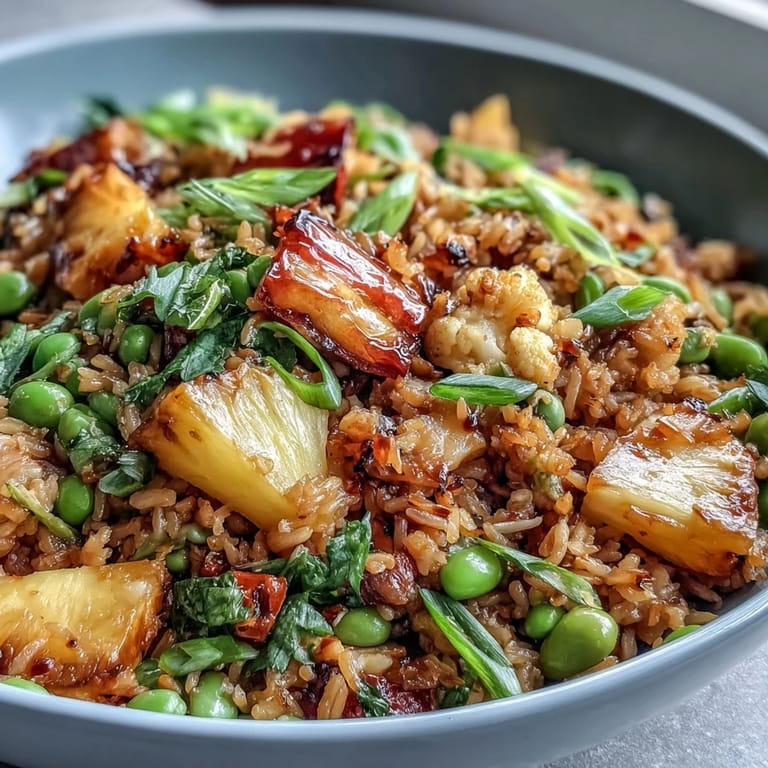
Save I discovered this recipe on a Tuesday evening when my fridge held a head of cauliflower, some leftover pineapple, and a bag of frozen edamame, but absolutely nothing that felt like dinner. A friend had been raving about cauliflower rice as a lighter alternative to regular rice, and I was skeptical until that night. Thirty minutes later, I was plating up something so vibrant and satisfying that my skepticism melted away faster than the garlic hits the hot wok. Now it's become my go-to when I want something quick, colorful, and honestly good for me without feeling like a sacrifice.
I made this for my sister during a surprise visit last summer, and she brought three friends along unannounced. Instead of panicking, I tripled the recipe right there in my kitchen, and watching everyone go back for seconds while standing around my counter felt like a small victory. She still texts me asking when I'm making it again, which tells me everything about how this dish lands with people.
Ingredients
- Cauliflower, riced (about 5 cups): This is your rice replacement, and it matters that you pulse it until it mimics actual grain size—too fine and it becomes mush, too chunky and the texture feels wrong.
- Pineapple, diced (1 cup fresh or canned): Fresh pineapple gives you that juicy burst, but honestly, canned drained pineapple works just as well and requires zero chopping skill.
- Edamame, shelled (1 cup): The protein hero here, and thawing them first means they warm through instantly instead of sitting as cold pockets.
- Red bell pepper, diced (1 pepper): The color matters as much as the flavor—it's what makes this dish look alive on the plate.
- Green onions (4 stalks): Split them into white and green parts; the white parts cook down into the base while the green parts stay bright and fresh at the end.
- Garlic and ginger (2 cloves and 1 teaspoon): Mince these fine so they disappear into the oil and perfume everything, not so you taste chunks.
- Carrot, diced (1 medium): The sweetness underneath, providing textural contrast and a natural sugar that plays well with the pineapple.
- Peas (1/2 cup): A quick addition that adds sweetness and those little pops of color.
- Tamari or soy sauce (3 tablespoons): This is your umami anchor—go gluten-free if you need to, but don't skip the depth it brings.
- Toasted sesame oil (1 tablespoon): Use just this amount because it's intense and beautiful; more becomes overbearing.
- Rice vinegar (1 tablespoon): The brightness that stops everything from feeling heavy.
- Sriracha (1 teaspoon, optional): A whisper of heat that wakes up your palate without demanding attention.
- Roasted cashews or peanuts (2 tablespoons): The crunch that makes each bite interesting, toasted so they bring their own flavor.
- Fresh cilantro or basil (2 tablespoons): Cilantro feels more traditional, but basil shifts the whole flavor profile toward something almost Italian.
- Lime wedges (1 lime): Squeeze them over as you eat to brighten everything at the last second.
Tired of Takeout? 🥡
Get 10 meals you can make faster than delivery arrives. Seriously.
One email. No spam. Unsubscribe anytime.
Instructions
- Rice Your Cauliflower with Intention:
- Chop your cauliflower into florets and pulse them in a food processor until they're roughly the size of grains of rice—this takes maybe two minutes of pulsing. If you don't have a processor, a box grater works but your forearms will feel it.
- Get Your Oil Hot and Fragrant:
- Pour sesame oil into a large wok or nonstick skillet over medium-high heat and let it warm until it shimmers. Add the white parts of your green onions along with minced garlic and ginger, and let them sizzle for about a minute until your kitchen smells incredible.
- Build Your Vegetable Base:
- Toss in your diced carrot and red bell pepper, stirring constantly for two to three minutes until they start to soften at the edges but still have some snap. This is where you're building layers of flavor and texture.
- Cook the Cauliflower Rice Until Just Tender:
- Add all your riced cauliflower to the pan and stir it well so every grain gets coated in that fragrant oil. Cook for four to five minutes, stirring frequently, watching as it softens but stops short of becoming mushy—you want it tender, not sad.
- Add Everything Else at Once:
- Stir in your peas, edamame, and pineapple chunks, cooking for just two to three minutes until everything is heated through. The pineapple should still have some integrity, not break down into the sauce.
- Season Like You Mean It:
- Pour in your tamari, rice vinegar, and sriracha if using, tossing everything until it's evenly coated and nothing is sticking to the bottom. Taste it, adjust salt and pepper, and trust your instincts.
- Finish with Brightness:
- Pull the pan from heat and stir in the green parts of your green onions along with half the cilantro, letting the residual heat wilt them slightly.
- Plate and Garnish:
- Divide into bowls and top with cashews, remaining cilantro, and a squeeze of fresh lime right before eating.
 Save
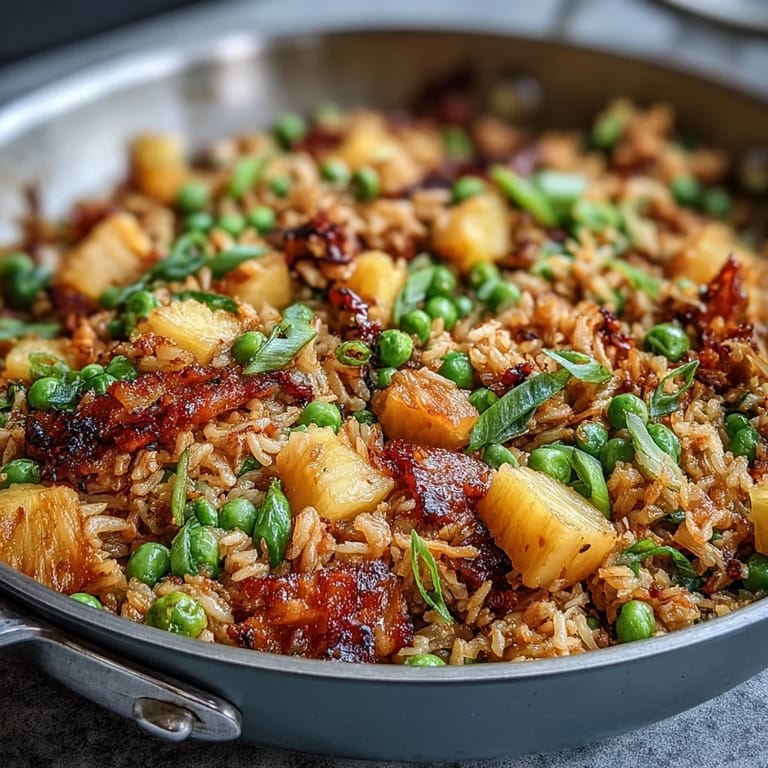
Save What struck me most about this dish is how it transformed my idea of what fried rice could be—lighter but somehow more satisfying, colorful in a way that made my plate look like something worth celebrating. It became the meal I made when I wanted to feel good about what I was eating, and that feeling matters just as much as how it tastes.
Why Cauliflower Rice Works Here
Cauliflower rice has this neutral canvas quality that actually lets the other flavors shine instead of competing with them. It holds onto sauce beautifully, picking up the sesame oil and tamari better than I expected the first time I tried it. The texture is naturally light but still substantial enough that you leave the table feeling satisfied, not like you need to hunt for a real meal an hour later.
The Pineapple Factor
Using pineapple in savory fried rice sounds unusual until you taste how the sweetness balances the salty umami of soy sauce and sesame oil. Those little bursts of juice keep the whole dish from feeling dry, and the natural fruit sugars caramelize slightly at the edges where they hit the hot pan. It's what makes this feel special instead of just like vegetable fried rice with some random stuff thrown in.
Making It Your Own
This recipe is flexible in ways that make it genuinely fun to customize depending on what's in your kitchen or what you're craving. I've added diced water chestnuts for extra crunch, swapped the edamame for cubed tofu when I wanted something different, and once threw in some diced pineapple that was almost too ripe because I didn't want it to go to waste. The base is solid enough that you can play around without breaking anything.
- Serve it inside hollowed-out pineapple halves if you want to impress someone: It looks spectacular and tastes even better when you scoop it straight from the fruit.
- Leftovers stay fresh for three days refrigerated and reheat beautifully in a hot skillet: Add a splash of sesame oil to restore the flavor and texture when you warm it back up.
- Double the recipe if you're feeding more than four people: It actually scales up without any fussing, which is exactly what you want from a weeknight dish.
 Save
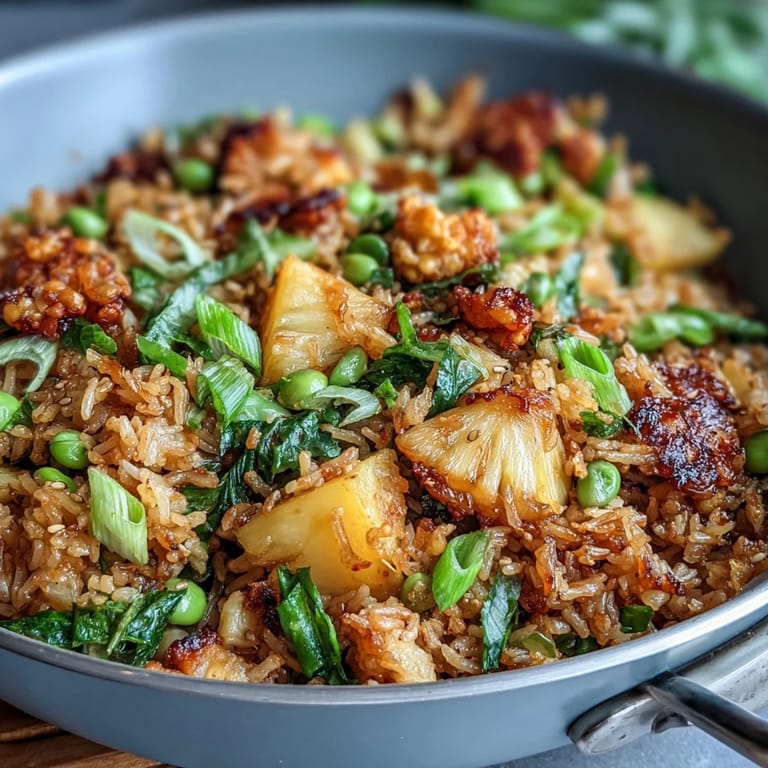
Save This meal has become my answer to wanting something that feels both nourishing and exciting, something I can pull together on a busy Tuesday and still feel proud of. It's proof that healthy eating doesn't have to be boring, and that sometimes the best discoveries come from working with what you have on hand.
Recipe FAQ
- → What can I use instead of edamame?
Tofu cubes are a great substitute if you want a similar protein boost while keeping the dish vegan.
- → How do I prepare the cauliflower for this dish?
Remove leaves and core, then pulse the cauliflower florets in a food processor until they resemble rice-sized pieces.
- → Can I make this dish gluten-free?
Yes, by using gluten-free tamari instead of soy sauce, the dish maintains its flavor and stays gluten-free.
- → What gives the dish its vibrant color?
The combination of diced pineapple, red bell pepper, carrots, and green onions creates a colorful and appealing presentation.
- → How can I add crunch to this dish?
Top with roasted cashews or peanuts for a satisfying crunch and nutty flavor.
- → Is it possible to make this dish spicier?
Yes, add sriracha or chili-garlic sauce according to your preferred spice level during cooking.