 Save
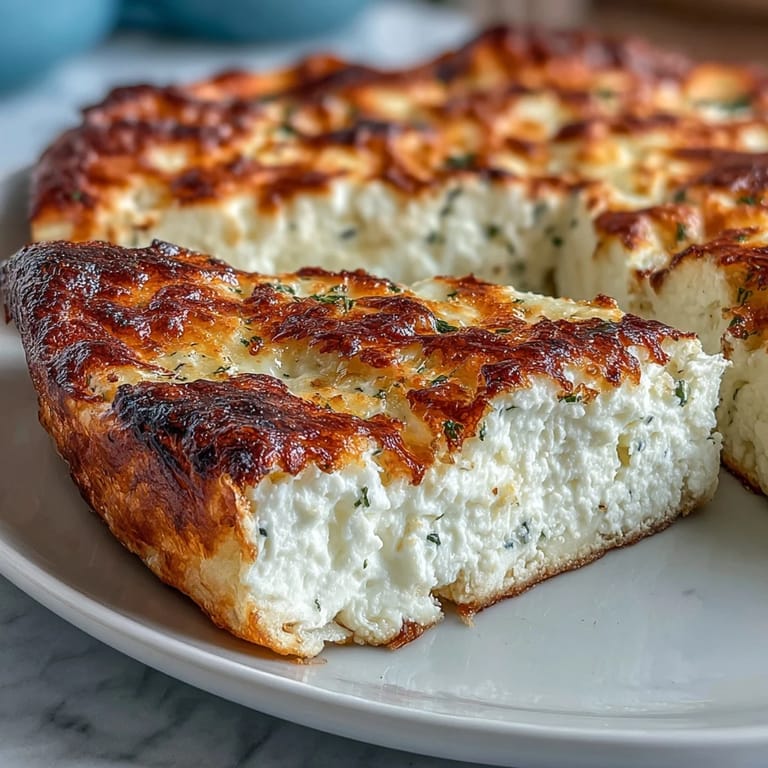
Save The first time I tried the cottage cheese flatbread trend, it was out of pure curiosity and a little skepticism. I had half a tub of cottage cheese in the fridge and, as the rain pattered outside, wondered if I could really turn it into something bread-like. The sensation of blending cool, creamy curds with eggs filled my kitchen with a quiet anticipation. When the aroma of baking cheese drifted from the oven, I realized this was going to be unexpectedly wonderful. My favorite gadgets and the hum of the blender made the process feel almost meditative.
Last spring, my roommate and I raced to the kitchen one lazy Saturday after seeing a video of these flatbreads making waves online. We took turns pouring the batter in wonky shapes and laughing at our attempts to make perfect circles. When we tasted them straight off the tray, it was hard to believe two simple fridge staples could bring such excitement—and we immediately started brainstorming all the possible fillings. Warm, tangy, and so satisfying, we never looked at cottage cheese the same way again.
Ingredients
- Cottage cheese: Opt for full-fat for extra richness, but low-fat will still yield tender flatbreads; make sure it's smooth by blending thoroughly.
- Eggs: Eggs provide essential structure; cracking each into the blender ensures you won’t get any pesky shells in the mix.
Tired of Takeout? 🥡
Get 10 meals you can make faster than delivery arrives. Seriously.
One email. No spam. Unsubscribe anytime.
Instructions
- Get Set Up:
- Preheat your oven to 350°F (175°C) and line a baking sheet with parchment paper so the flatbreads come off easily later.
- Blend the Base:
- Add cottage cheese and eggs to a blender or food processor and blend until utterly smooth and creamy, about 30 seconds.
- Shape Your Flatbreads:
- Pour the batter onto the prepared tray and use a spatula to gently nudge it into 3–4 thin rounds or a single rectangle about 1/4-inch thick.
- Bake Until Ready:
- Slide into the oven and bake for 18–22 minutes, until the edges are lightly golden and the flatbreads feel set when you press gently.
- Cool and Serve:
- Let the flatbreads cool for a few minutes before peeling them off the parchment, then serve warm or at room temperature as desired.
- Store for Later:
- Leftovers keep beautifully in an airtight container in the fridge for up to 3 days.
 Save
Save 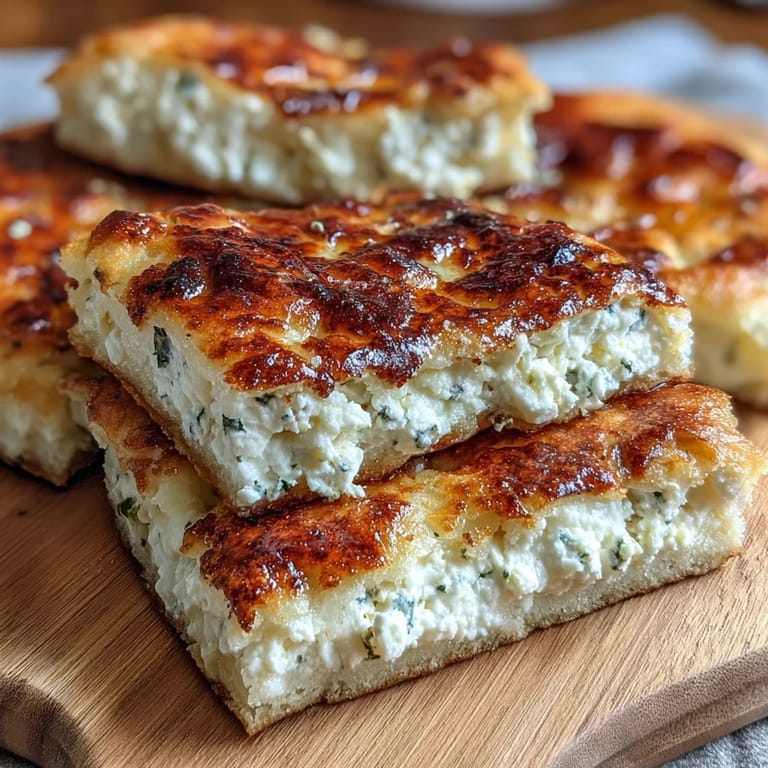 Save
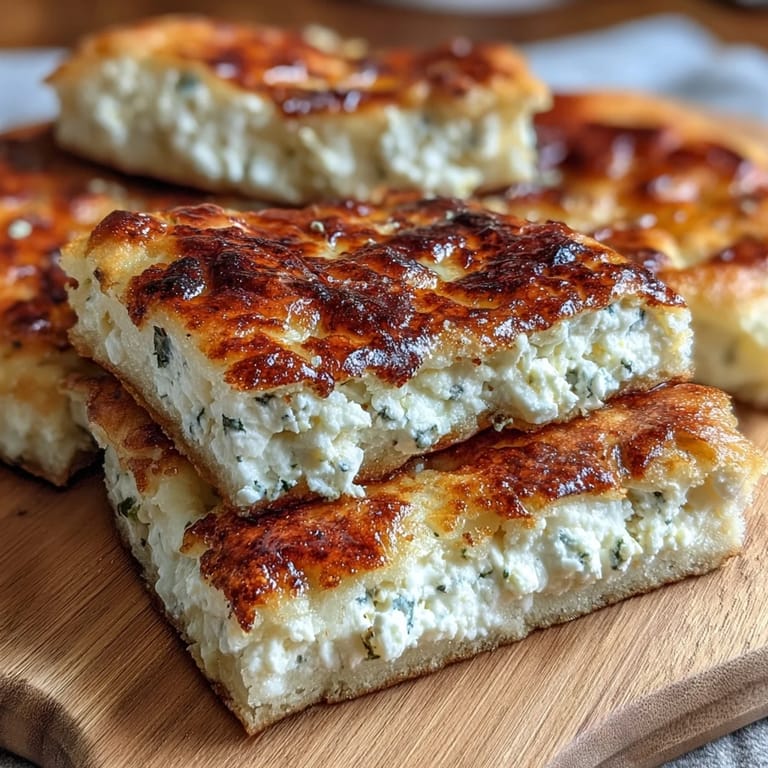
Save The day I tucked crisp greens and roasted veggies inside one of these warm flatbreads and took the first bite, lunch instantly became a ritual instead of a routine. Somehow, what started as a quirky substitute turned into a staple for solo lunches, impromptu picnics, and even breakfast wraps on hectic mornings.
Ways to Enjoy Your Flatbreads
I never tire of coming up with new uses for these soft, bendy wraps. They make a killer base for fast mini pizzas—just add sauce, cheese, and broil a few minutes. I’ve also rolled them up with roasted chicken, crisp veggies, and a swipe of hummus for an ideal desk lunch. The neutral flavor welcomes all sorts of fillings, so nothing ever gets boring.
Troubleshooting Your Batch
If your flatbreads turn out a bit dry or stick to the parchment, don’t worry—it happens. Swapping in a different brand of cottage cheese sometimes brings surprising results. I learned to always check the texture before spreading, and a quick spritz of oil on the parchment sometimes saves the day. Little tweaks go a long way toward your perfect flatbread.
Swaps, Additions, and Serving Ideas
Experimenting with flavorful add-ins or using dairy-free cottage cheese completely changes the game. A sprinkle of dried herbs, cracked pepper, or garlic powder whisks in adventure without complicating things. Each time I’ve topped them with smoked salmon or a smear of nut butter, the result felt new again.
- Don’t hesitate to spread the batter thin—thicker flatbreads might take longer to set.
- If you’re storing flatbreads, place parchment between them to prevent sticking.
- Reheat gently in a skillet instead of the microwave for the best texture.
 Save
Save 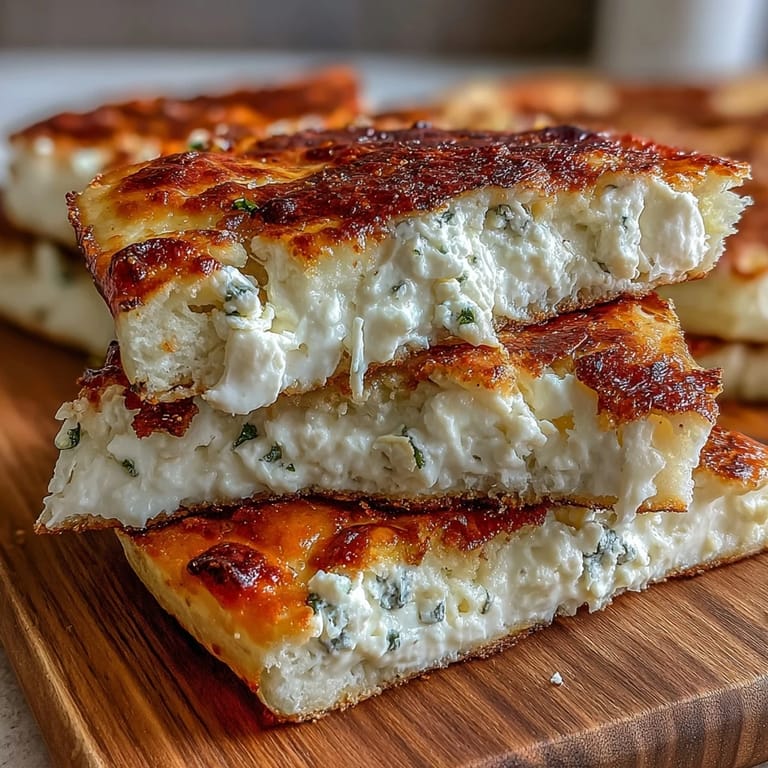 Save
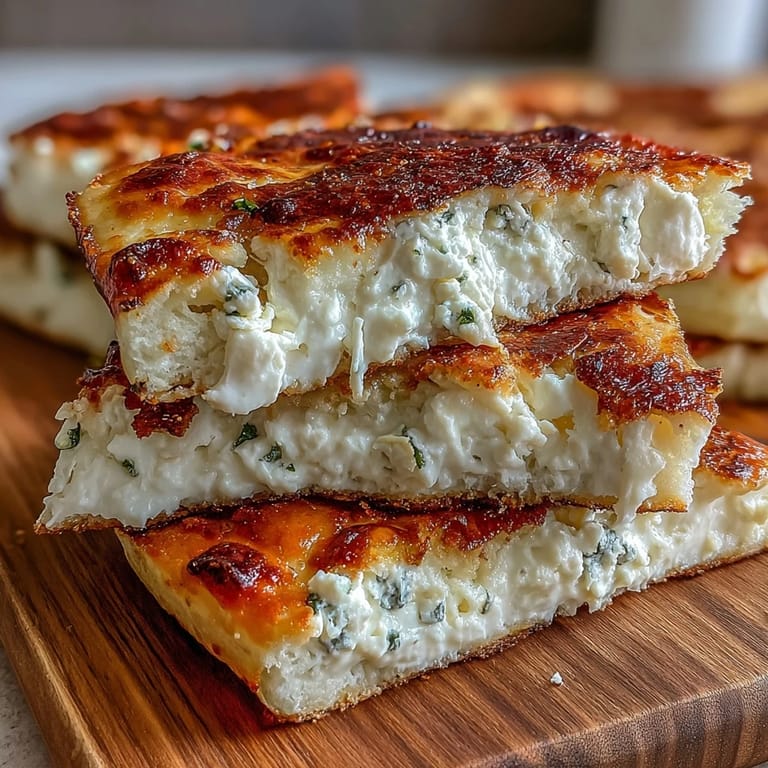
Save Sometimes the simplest recipes deliver the biggest surprises. I hope these cottage cheese flatbreads bring as much joy and versatility to your kitchen as they have to mine.
Recipe FAQ
- → Can I cook these on the stovetop instead of baking?
Yes. Spoon batter into a preheated nonstick skillet and cook over low–medium heat until edges set, then flip and cook until both sides are lightly golden. Keep the heat moderate to avoid overbrowning.
- → How thin should I spread the batter?
Spread to about 1/8–1/4 inch thickness. Thinner rounds will be crispier at the edges and more flexible in the center; thicker ones take slightly longer to set through.
- → Can I add herbs or spices to the batter?
Absolutely. Add a pinch of salt, black pepper, garlic powder, chopped fresh herbs, or dried oregano to the batter before blending to boost flavor without changing technique.
- → Will dairy-free cottage cheese work?
You can try a dairy-free cottage cheese alternative, but texture and moisture will vary. You may need to adjust baking time and expect a different crumb and flexibility.
- → How should leftovers be stored and reheated?
Place cooled flatbreads in an airtight container in the refrigerator for up to 3 days. Reheat briefly in a warm skillet or under a broiler until pliable and warmed through.
- → What are good uses for these flatbreads?
Use them as wraps for sandwiches, as a quick pizza base with toppings, or as a low-carb bread substitute alongside salads and spreads.