 Save
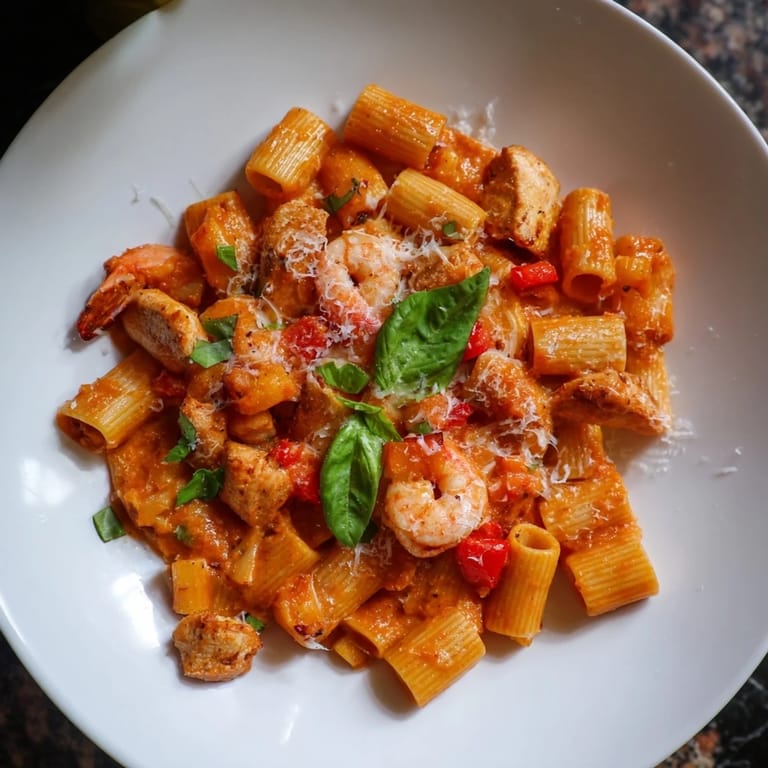
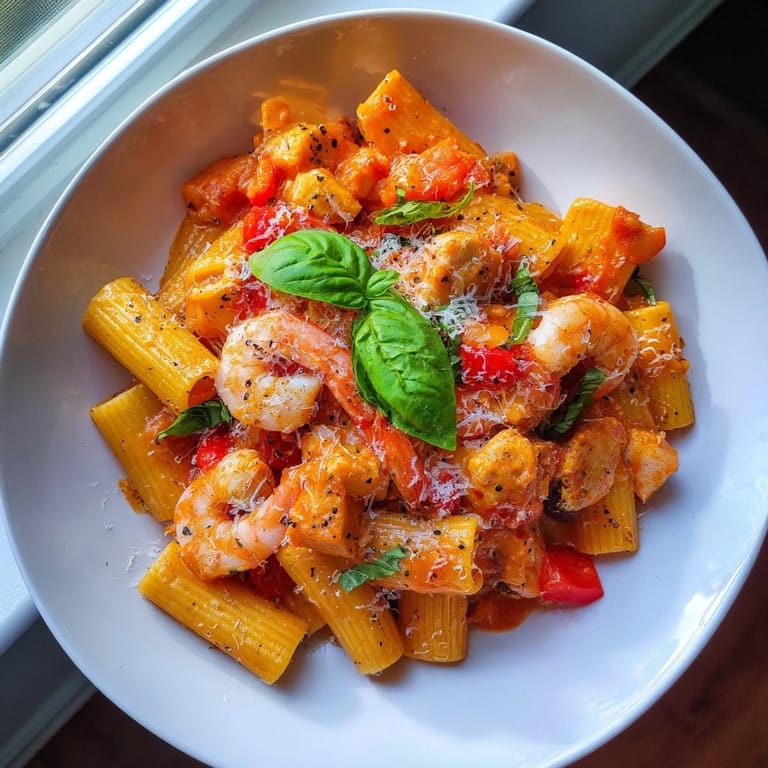
Save There's something about standing over a bubbling pot of pasta that makes you feel like you've figured out dinner, especially when the kitchen fills with that intoxicating mix of garlic, tomato, and the briny sweetness of shrimp hitting hot oil. I discovered this one-pot diavola while trying to impress someone with minimal effort but maximum flavor, and what started as a weeknight experiment became the dish I make whenever I want the kitchen to smell like an Italian restaurant without the reservation required. The beauty of it is how forgiving it is—everything cooks together, the pasta absorbs all that spiced, tomatoey broth, and by the time you plate it, you feel like you've actually cooked something impressive.
I made this for a friend who'd just moved into their first apartment, and watching them taste it was worth every minute of chopping vegetables. They'd been living on takeout and frozen meals, convinced they couldn't cook, but after one bite of that spicy, briny pasta, something shifted. Now they text me pictures of their own versions, tweaking the heat level or swapping in different proteins, and that's when I knew this recipe had earned its place in the rotation.
Ingredients
- Chicken breast or thighs (250 g): Thighs stay juicier and more forgiving than breast meat, but use what you prefer—just don't skip the browning step, which locks in flavor.
- Shrimp (200 g, frozen and thawed): Buy raw, peeled, and deveined shrimp if possible, and thaw them ahead so they cook evenly rather than releasing excess water into the pot.
- Penne or rigatoni (300 g): Short, tubular pasta catches the sauce beautifully in every bite.
- Yellow onion (1 medium): Finely chopped so it melts into the sauce rather than sitting as chunky bits.
- Garlic (3 cloves, minced): The foundation of flavor—don't skip the aromatics step, because it makes all the difference in how the sauce tastes.
- Red bell pepper (1): Adds sweetness that balances the heat and spice of the final dish.
- Fresh red chili (1, optional): This is where you control the fire; use it if you like heat, skip it if you're feeding cautious eaters.
- Crushed tomatoes (400 g can): The backbone of the sauce—canned works perfectly because you're after consistent flavor, not fresh garden tomatoes.
- Tomato paste (2 tbsp): Concentrates the tomato flavor and adds depth that simple crushed tomatoes alone can't achieve.
- Chicken broth (700 ml): This becomes your pasta cooking liquid, so use broth you'd actually drink, not something overly salty.
- Oregano, basil, smoked paprika (1 tsp, 1 tsp, 1/2 tsp): These dried herbs are your Italian backbone—they bloom when heated in the tomato paste step, which is why timing matters.
- Red pepper flakes (1/2–1 tsp): Start conservatively if you're unsure; you can always add more heat to individual bowls.
- Olive oil (2 tbsp): Use a robust olive oil that can handle the high heat without smoking.
- Parmesan cheese (50 g, grated): Finish with freshly grated Parmesan, not the stuff from the shaker—it makes a real difference in how creamy and luxurious the final dish feels.
- Fresh basil leaves: A handful scattered on top brings brightness and aroma that makes people lean in and take a bigger bite.
- Lemon wedges: Not just garnish—a squeeze of juice at the end lifts everything and cuts through the richness.
Tired of Takeout? 🥡
Get 10 meals you can make faster than delivery arrives. Seriously.
One email. No spam. Unsubscribe anytime.
Instructions
- Get your pot singing:
- Pour the olive oil into a large, deep skillet or Dutch oven and heat it over medium-high until it shimmers and almost smokes. You want it hot enough that when you add the onion, it immediately starts sizzling—this is what sets the stage for everything that follows.
- Build the flavor base:
- Toss in the chopped onion and let it sit undisturbed for about a minute so it gets those golden edges, then stir it around for another 1–2 minutes until it's soft and translucent. Add the minced garlic, diced bell pepper, and sliced chili (if using), stirring constantly for 2 minutes so the garlic doesn't burn but instead fills your kitchen with that incredible aroma.
- Brown the chicken:
- Push your vegetables to the sides and add the bite-sized chicken pieces directly to the hot oil, letting them sit for a minute before stirring so they develop a light golden crust. After 3–4 minutes of occasional stirring, they should be mostly cooked through on the outside, though not fully done inside—that happens later in the sauce.
- Toast the spices:
- Stir in the tomato paste along with the smoked paprika, oregano, basil, and red pepper flakes, stirring constantly for exactly 1 minute. This step is crucial because it blooms the spices in the oil and paste, releasing their essential flavors so the entire sauce tastes more vibrant and connected.
- Create your sauce foundation:
- Pour in the crushed tomatoes and chicken broth, stirring well to combine and scraping up any browned bits stuck to the bottom of the pot—those are liquid gold and contain concentrated flavor. Bring the mixture to a boil; you'll know it's ready when you see active rolling bubbles breaking the surface.
- Add the pasta and let it dance:
- Add the dried pasta and a generous three-fingered pinch of salt, stirring well so the noodles don't clump together. Reduce the heat to a simmer, partially cover the pot, and let it cook for 10 minutes, stirring every couple of minutes to prevent sticking and ensure even cooking.
- Introduce the shrimp:
- After 10 minutes, the pasta should be almost tender but still have some bite, and that's exactly when you add the shrimp. Stir it into the pot, leave it uncovered, and cook for another 5–7 minutes, watching as the shrimp curl and turn bright pink while the pasta finishes absorbing the sauce.
- Finish with finesse:
- Taste the pasta—it should be tender but still have a slight resistance when you bite it, and the shrimp should feel opaque and cooked through. Remove from heat and stir in the grated Parmesan while the pot is still warm enough that the cheese melts into the sauce, creating a creamy, cohesive finish.
- Plate and celebrate:
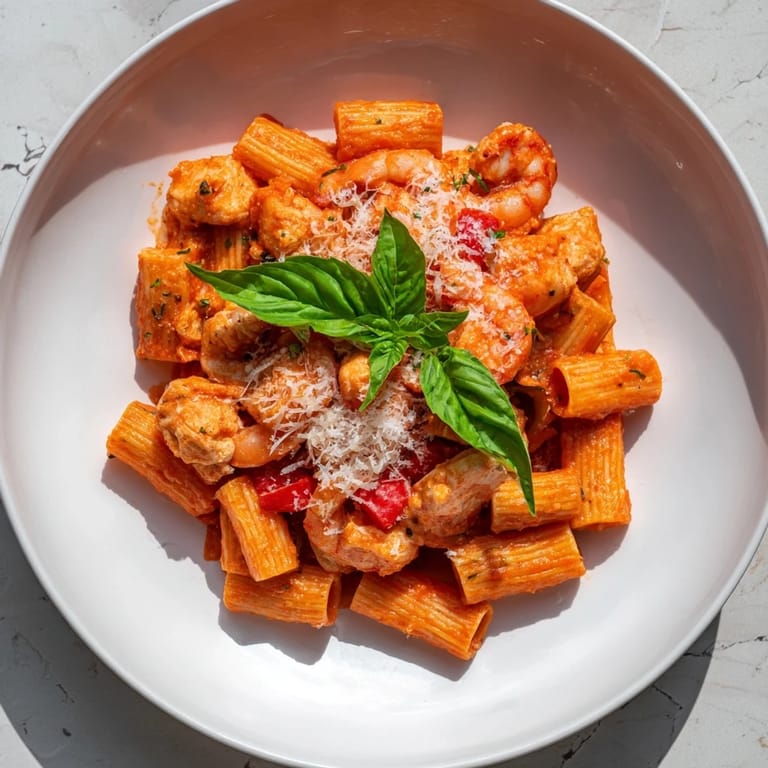
- Divide the pasta into bowls, shower each portion with fresh basil leaves, and serve with lemon wedges alongside so people can adjust the brightness to their taste.
 Save
Save The first time I served this to my partner on an ordinary Thursday, they asked if I'd been secretly taking cooking classes and hadn't mentioned it. It became the dish I make when I want to turn a regular night into something that feels intentional and a little bit special, without the stress of coordinating multiple pans or pretending I'm someone I'm not in the kitchen.
Why the Shrimp-and-Chicken Combination Works
Mixing shrimp and chicken might seem unconventional, but they're actually ideal partners in a spicy tomato sauce. The chicken provides substance and protein-forward heartiness, while the shrimp add a briny sweetness that emerges when they're cooked in acidic tomato. Together, they create a dish that feels luxurious without being fussy, and the different textures keep every bite interesting rather than monotonous.
Managing the Heat Level
This dish walks a fine line between flavorful and fiery, which is exactly what diavola means. The smoked paprika adds warmth without overwhelming heat, the red pepper flakes bring fire, and the fresh chili can be adjusted or omitted entirely. If you're cooking for a mixed group, leave out the fresh chili, use half a teaspoon of red pepper flakes instead of a full one, and let people season their own bowls with hot sauce or extra chili at the table.
Variations That Still Taste Right
This recipe is forgiving enough to accommodate swaps without losing its soul. Turkey works beautifully in place of chicken, or you can skip the poultry entirely and double the shrimp for a fully pescatarian version. Some nights I add halved cherry tomatoes in the last minute of cooking for extra freshness, or stir in a handful of pitted olives or capers for a more Mediterranean lean.
- For creaminess without dairy, stir in a splash of heavy cream or mascarpone just before serving.
- If you want deeper flavor, use a combination of chicken broth and pasta water reserved from a previous batch instead of all broth.
- A squeeze of fresh lemon juice or a splash of white wine at the end brightens the entire dish and cuts through the richness.
 Save
Save There's something deeply satisfying about a one-pot dinner that looks impressive but never made you juggle multiple burners or find yourself frantically washing pans. This pasta sits somewhere between weeknight dinner and company-worthy meal, which is exactly where it should be.
Recipe FAQ
- → Can I adjust the spiciness of this dish?
Yes, you can reduce or omit the fresh chili and red pepper flakes for a milder flavor, or add more if you prefer extra heat.
- → What can I use instead of chicken?
You can substitute chicken with turkey or omit it entirely for a seafood-only version focusing on shrimp.
- → Is it possible to use other pasta types?
Yes, dried penne or rigatoni work best, but other short pasta shapes can be used as well.
- → How do I know when the pasta and shrimp are cooked properly?
Cook pasta until al dente, usually about 10 minutes, then add shrimp and cook until they turn pink and opaque, about 5–7 minutes.
- → Can I make this dish ahead of time?
While best served fresh, you can prepare it in advance and gently reheat, adding a splash of broth if needed to loosen the sauce.
- → What sides pair well with this dish?
A crisp white wine like Pinot Grigio complements it nicely, and a green salad or crusty bread are good accompaniments.