 Save
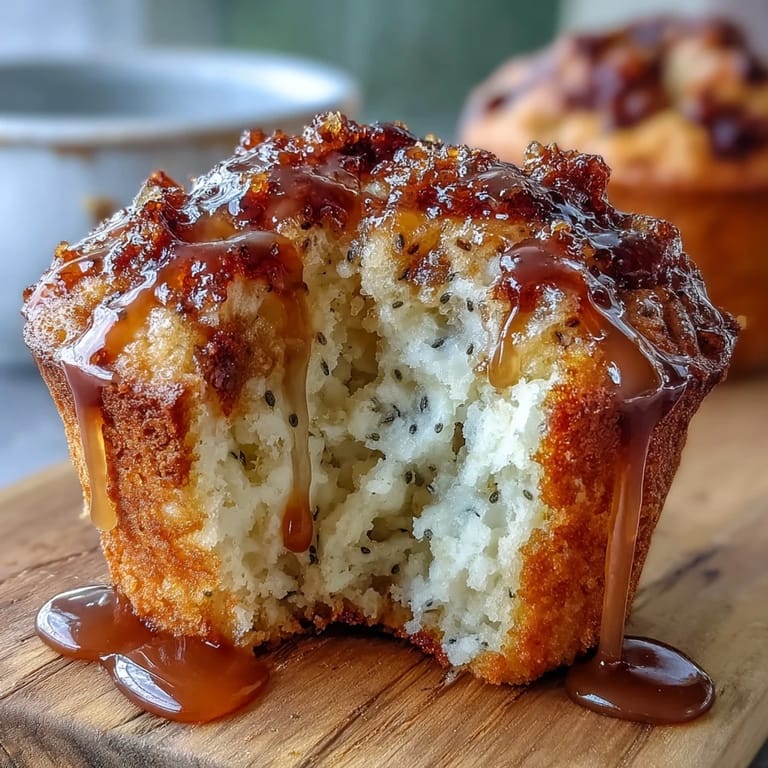
Save There's something about the smell of lemon zest hitting a warm kitchen that just stops you mid-morning and makes you smile. My neighbor knocked on my door one April with a bag of Meyer lemons from her tree, and I knew exactly what needed to happen—these muffins. They're the kind of thing that tastes like springtime decided to become breakfast, bright and slightly tart, with those little black specks of poppy seed catching the light.
I made these for a small brunch last summer when my sister visited from out of state, and I watched her eat three in a row while barely saying a word. When she finally looked up, she just said, 'These are dangerous.' That's when I knew I'd gotten it right—not fancy, just honestly good.
Ingredients
- All-purpose flour (2 cups): The foundation of everything; make sure it's fresh and fluffed when you measure it, because packing it down can throw off your whole batch.
- Granulated sugar (3/4 cup): This sweetens the batter without overpowering the lemon; don't be tempted to add more or the muffins will be cloying.
- Poppy seeds (2 tbsp): These tiny seeds are your textural surprise, giving each muffin a subtle crunch that keeps things from feeling one-note.
- Baking powder and baking soda (1 1/2 tsp and 1/2 tsp): The rising agents that keep muffins tender and airy; stir them into the flour mixture to distribute evenly.
- Salt (1/2 tsp): A small amount that brings out the lemon flavor and balances the sweetness in the background.
- Eggs (2 large, room temperature): Room temperature eggs mix more smoothly into the wet ingredients and help the muffins rise with a tender crumb.
- Whole milk or buttermilk (3/4 cup): Buttermilk adds slight tang and creates a more tender muffin, but regular milk works just fine if that's what you have.
- Unsalted butter, melted (1/2 cup): Melted butter keeps these muffins moist; letting it cool slightly before mixing prevents scrambling the eggs.
- Fresh lemon juice (1/4 cup): Squeeze it fresh from the lemons—bottled juice tastes thin and a little harsh by comparison, and you'll notice the difference.
- Lemon zest (from 2 lemons): This is where the magic happens; zest is concentrated lemon oil and flavor, so don't skip it or use pre-zested versions if you can help it.
- Vanilla extract (1 tsp): A subtle supporting player that deepens the overall flavor without making the muffins taste vanilla-forward.
- Powdered sugar (1 cup) for glaze: Smooth and fine, it dissolves into the lemon juice to create a glossy coating.
- Lemon juice for glaze (2-3 tbsp): Add this slowly while whisking so you can control the consistency and avoid making the glaze too thin.
Tired of Takeout? 🥡
Get 10 meals you can make faster than delivery arrives. Seriously.
One email. No spam. Unsubscribe anytime.
Instructions
- Heat up and set the stage:
- Preheat your oven to 375°F and line your muffin tin with paper liners—this small step prevents sticking and makes cleanup almost painless. If you're skipping liners, a light grease with butter or oil works too.
- Combine the dry team:
- Whisk together the flour, sugar, poppy seeds, baking powder, baking soda, and salt in a large bowl, making sure the leavening agents are evenly distributed. This is the moment where the dry ingredients get to know each other before the wet team arrives.
- Build the wet mixture:
- In a separate bowl, whisk the eggs with milk, melted butter, lemon juice, zest, and vanilla until it looks cohesive and slightly frothy. The lemon juice will slightly curdle the milk—don't panic, this is exactly what should happen and it's actually a good sign.
- Bring them together gently:
- Pour the wet ingredients into the dry ingredients and stir with a spatula just until the flour is moistened and no streaks remain. The key here is restraint; overmixing develops gluten and makes muffins dense and tough, so stop stirring the moment everything comes together.
- Fill the muffin cups:
- Divide the batter evenly among the muffin cups, filling each about three-quarters full so the muffin tops have room to dome. A small ice cream scoop makes this step neat and ensures even-sized muffins that bake at the same rate.
- Bake until golden:
- Bake for 16 to 18 minutes, or until a toothpick inserted into the center of a muffin comes out clean with maybe a crumb or two clinging to it. The muffins should smell lemony and bright, and the tops should have a light golden color.
- Cool with patience:
- Let the muffins sit in the tin for about 5 minutes so they firm up slightly, then turn them out onto a wire rack to cool completely. If you glaze them while they're warm, the glaze will melt and drip off the sides, so this waiting period is important.
- Make the glaze:
- Whisk together the powdered sugar and lemon juice in a small bowl, adding the juice a tablespoon at a time until you reach a thick but pourable consistency. If it's too thin, add a bit more powdered sugar; too thick, add a few drops of juice.
- Finish with a drizzle:
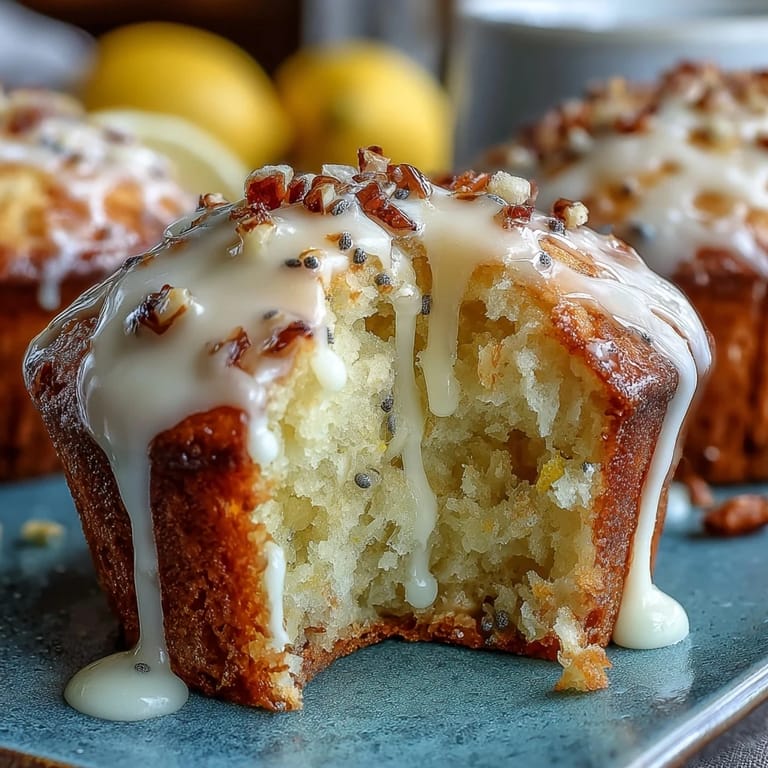
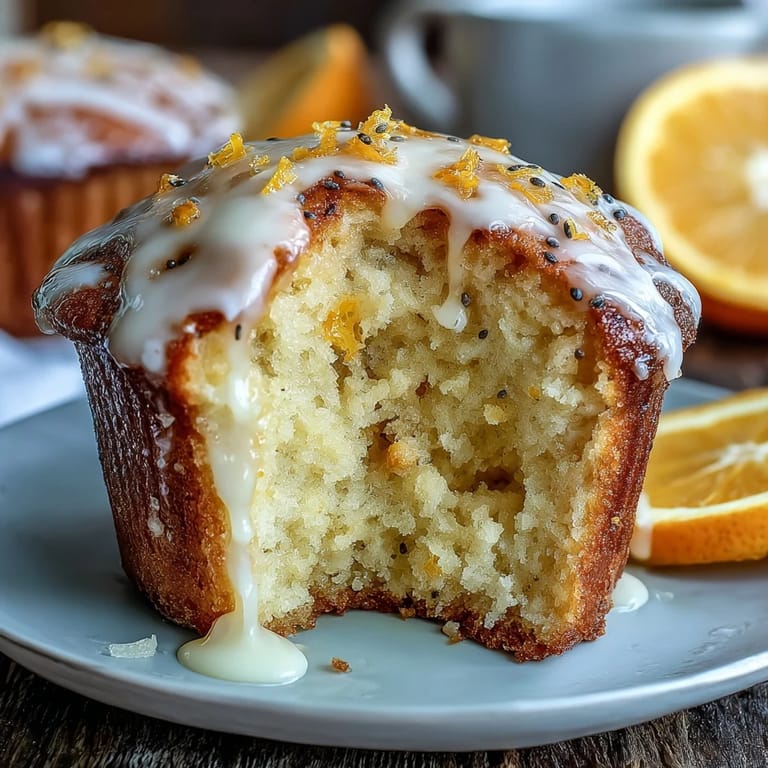
- Once the muffins have cooled completely, drizzle the glaze over the tops and let it set for about 10 minutes before serving. The glaze firms up slightly as it sits, giving you that lovely matte finish that catches the eye.
 Save
Save I served these at a Easter morning gathering a couple of years ago, and someone asked for the recipe, then another person, then another—by the end of brunch, I'd written it down on three napkins. That's when I realized these muffins had become something I wanted to share, not just something I made for myself.
Choosing Your Lemons Wisely
The quality of your lemon matters more than you might think, especially when lemon is the main flavor note. Look for lemons that feel heavy for their size, which means they're juicier; thin-skinned lemons usually have more juice than thick-skinned ones. If you can find Meyer lemons at a farmer's market or in spring, grab them—they're slightly sweeter and more floral than regular lemons, and they make these muffins sing in a different way.
The Science of Muffin Structure
Muffins are essentially quick breads, which means they rely on chemical leavening like baking powder and baking soda rather than yeast to rise. The moment you mix the wet and dry ingredients, those leavening agents start reacting with the liquid in the batter, so the sooner you get these muffins into the oven after combining, the better they'll rise. This is why recipes like this call for gentle stirring and a quick hand in the kitchen—you're racing against chemistry, but in the best way.
Storage and Second-Day Magic
These muffins stay fresh at room temperature in an airtight container for up to two days, and honestly, they're somehow even better the next morning when the flavors have had time to settle and deepen slightly. You can also wrap cooled, glazed muffins individually in plastic wrap and freeze them for up to a month; just thaw them at room temperature before eating, or warm them gently in a 300°F oven for a few minutes to revive them.
- For extra lemon intensity, add an additional 1/2 teaspoon of zest to the batter or stir a touch more into the glaze.
- If you want these to feel a bit lighter, swap in Greek yogurt for half of the melted butter and you'll get a tender muffin with slightly less richness.
- These pair beautifully with Earl Grey tea or a sparkling mimosa on a spring morning, so plan your brunch menu accordingly.
 Save
Save These muffins have a way of making an ordinary morning feel a little brighter, a little more intentional. Bake them when you want to remind yourself or someone else that simple, good food is always worth the small effort.
Recipe FAQ
- → How can I make the muffins more lemony?
Add extra lemon zest to the batter or glaze to boost the citrus flavor without changing the texture.
- → Can I substitute yogurt for butter?
Yes, replacing half the butter with Greek yogurt creates a lighter texture while keeping moisture.
- → What is the best way to check muffin doneness?
Insert a toothpick into the center; it should come out clean or with just a few crumbs attached.
- → How should the muffins be stored?
Keep in an airtight container at room temperature for up to two days to maintain freshness.
- → Are there any common allergens included?
These muffins contain wheat, eggs, milk, and butter. Cross-contamination with nuts is possible depending on preparation.