 Save
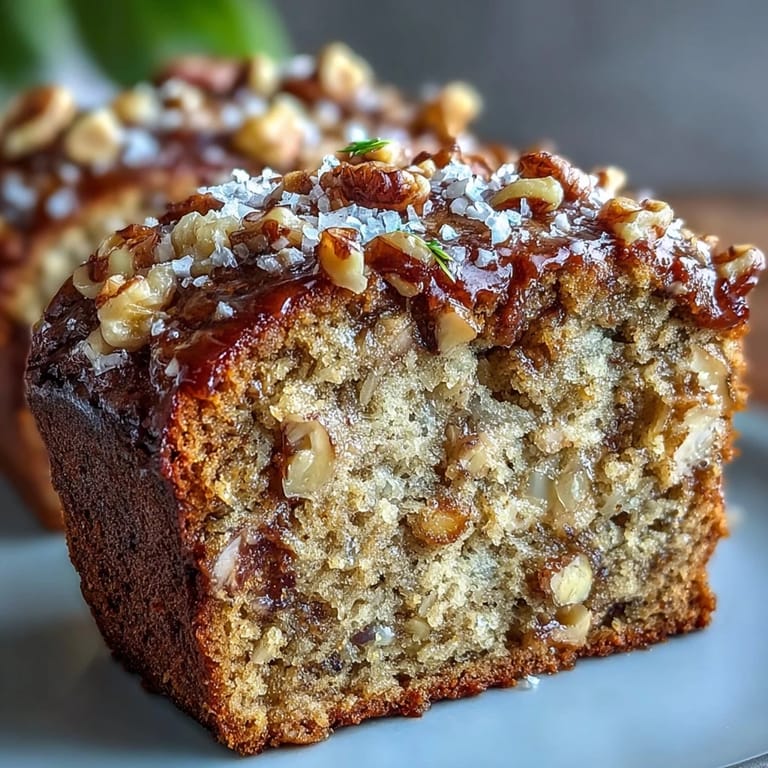
Save My friend handed me a slice of this bread at a farmers market stall, still warm from the oven, and I was immediately transported somewhere tropical by the cardamom alone. She mentioned offhand that she'd run out of eggs while visiting her sister in Costa Rica and had started experimenting with banana-based quick breads instead, adding whatever fruit was ripest that morning. This version emerged from one particularly inspired Tuesday when she found a tin of guava pulp at a local market and decided to take a chance on the combination. The first bite told me everything: this wasn't a substitute for anything, it was its own thing entirely.
I made this for my neighbor during a surprise visit when her daughter came home from university, and watched her take a bite with that skeptical expression people sometimes have around vegan baking. Within seconds her face softened, and she asked if I'd used real butter because the crumb was so tender. Telling her the secret was patience with the wet-dry mixing and nothing more felt like revealing a magic trick.
Ingredients
- Ripe banana, mashed: The foundation of everything, providing natural sweetness and moisture so you don't need eggs to bind the batter; make sure they're genuinely soft with brown speckles, not green or firm.
- Guava pulp: If you can't find it canned, fresh guava flesh blended smooth works beautifully, and yes, straining out the seeds matters because they catch between your teeth.
- Lime zest: A single lime gives you brightness that keeps the bread from feeling heavy or overly sweet; don't skip this because it's what makes people pause and wonder what they're tasting.
- Light brown sugar: More tender than white sugar and adds a subtle molasses note that deepens the tropical flavors without overpowering them.
- Neutral oil: Sunflower or canola keeps the crumb moist longer than butter would, and you won't taste the oil itself, which is exactly the point.
- Plant-based milk: Oat milk adds slight sweetness, almond is lighter, and soy is neutral; any work, so use what you have on hand.
- Vanilla extract: A small anchor that rounds out the spice notes without announcing itself.
- All-purpose flour: Two cups gives you structure without drying the bread out; don't pack it when measuring or you'll end up with a dense loaf.
- Ground cardamom: The star spice here, warm and slightly floral, and worth buying freshly ground because pre-ground cardamom loses its soul within months.
- Baking soda and baking powder: The soda reacts with the acidic banana and guava while baking powder provides a secondary lift for a tender crumb.
- Walnuts or pecans: Optional but they add textural contrast and a subtle earthiness that plays beautifully with the tropical fruit and spice.
- Coarse sugar for topping: Sprinkled on before baking, it catches the heat and creates a light crunch that contrasts with the soft interior.
Tired of Takeout? 🥡
Get 10 meals you can make faster than delivery arrives. Seriously.
One email. No spam. Unsubscribe anytime.
Instructions
- Prepare your stage:
- Preheat the oven to 350°F while you line a 9x5-inch loaf pan with parchment or grease it well; this matters because even well-oiled pans stick sometimes, and parchment saves you from disaster.
- Combine the wet foundation:
- Mash your bananas in a large bowl until mostly smooth (a few tiny lumps are fine), then stir in the guava pulp and lime zest, letting the lime oil from the zest release its aroma into the mixture. Add the brown sugar, oil, plant-based milk, and vanilla, stirring everything together until no streaks of sugar remain and the color looks uniformly tan.
- Whisk your dry team:
- In a separate bowl, combine flour, ground cardamom, baking soda, baking powder, and salt, making sure the spice is evenly distributed throughout the flour so you don't get pockets of intense cardamom flavor. This step takes less than a minute and completely transforms how the finished bread tastes.
- Bring them together gently:
- Pour the dry ingredients into the wet mixture and stir with a spatula using the fewest strokes necessary until you see no more streaks of flour; overmixing develops the gluten and makes the crumb tough and gummy. Fold in any nuts at this moment if you're using them, distributing them evenly with just a few final turns.
- Into the pan and into the oven:
- Transfer the batter to your prepared loaf pan, smooth the top with the back of your spatula, and sprinkle with coarse sugar if you like that textural contrast. Bake for 45 to 55 minutes, checking around the 45-minute mark by inserting a toothpick into the center; it should come out clean or with just a crumb or two clinging to it.
- The patience part:
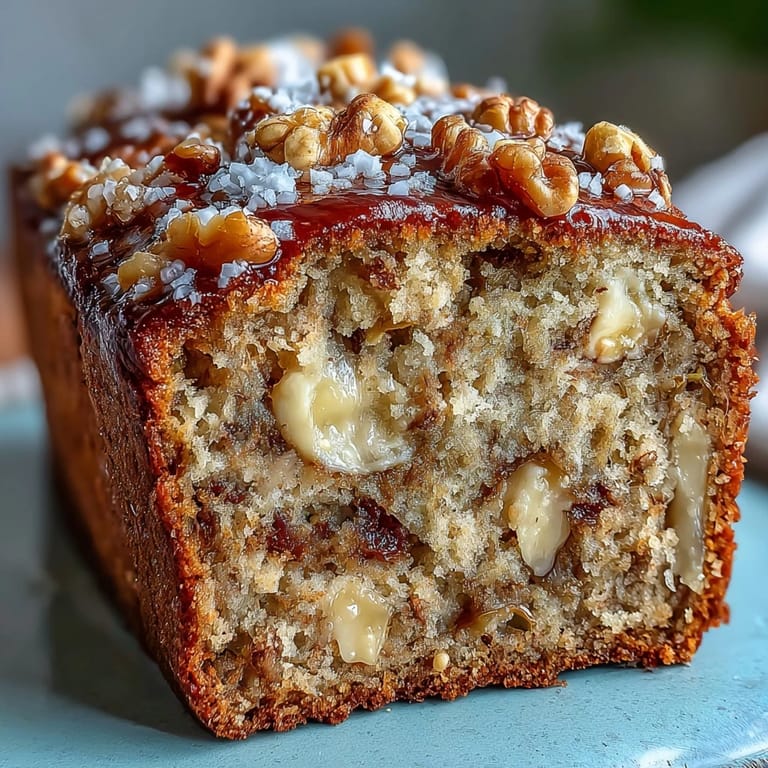
- Let the bread sit in the pan for 10 minutes after you remove it from the oven, which allows the structure to set just enough so it releases cleanly without falling apart. Turn it out onto a wire rack and let it cool completely before slicing, because cutting into warm bread releases steam and creates a gummy interior.
 Save
Save I served this to someone who'd been vegan for two weeks after reading an article, and they were bracing themselves for disappointment because they'd just given up baking. When they tasted this, something shifted in their expression, and they realized that constraint doesn't mean deprivation, just a different kind of creativity. That moment made me understand why I keep coming back to this recipe.
The Cardamom Factor
Cardamom is what separates this from a standard banana bread, and it's worth understanding how to use it. The spice has a floral, almost perfumy quality that sounds intimidating but becomes warm and comforting when baked into something with tropical fruit. One and a half teaspoons might sound like a lot, but it's balanced by the sweetness of banana and guava, plus the brightness of lime zest keeps it from becoming cloying. If you're new to cardamom, you're in for a pleasant surprise; if you already love it, this bread will feel like it was designed for you.
Guava as a Gateway Fruit
Most people have never cooked with guava unless they're from a region where it grows wild or commonly, which is why this bread often becomes the moment someone discovers how delicious it actually is. The fruit has a peachy-pink color and a flavor that's sweet but with an almost tart edge, which is why it pairs so well with acidic lime and warm spices. If you absolutely cannot find guava pulp, mango or pineapple puree will give you a similarly tropical effect, though the flavor will shift slightly toward sweeter and less complex. The important thing is choosing a fruit pulp that's smooth and strained, not chunky, so you get even texture throughout the baked bread.
Storage, Serving, and the Lime Glaze Option
This bread keeps beautifully for three or four days wrapped in parchment paper at room temperature, and it actually tastes better on day two after the flavors have had time to settle and deepen. Slice it thick and serve it barely warm with vegan butter melting into the crumb, or toast it lightly the next day for added texture. A simple lime glaze made from powdered sugar and lime juice drizzled over the top transforms it into something more cake-like and special for company, while pairing a plain slice with chai tea or oolong creates a quiet afternoon ritual.
- Wrap cooled bread tightly in parchment paper or place it in an airtight container to keep the crumb moist and tender for days.
- Toast leftover slices to revive them and deepen the cardamom notes that might fade after a day or two sitting out.
- Make a lime glaze by whisking together half a cup of powdered sugar with two tablespoons of fresh lime juice for an optional finish that adds sweetness and brightness.
 Save
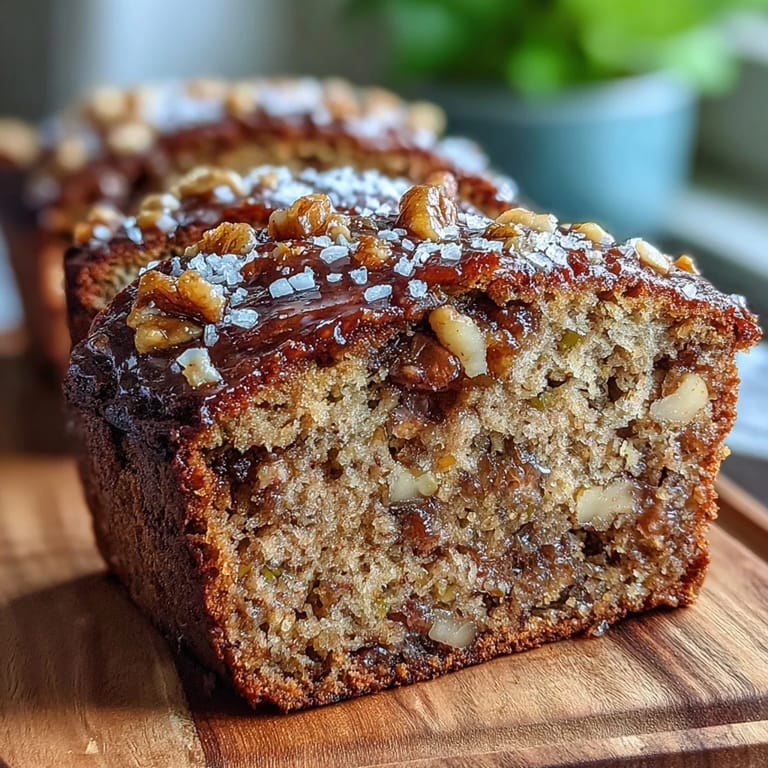
Save This bread has a way of becoming a signature, something people ask you to bring to potlucks or make when they visit. The beauty of it is that it reads as indulgent and special while being incredibly straightforward to make, which is the kind of recipe that sticks around in a kitchen for years.
Recipe FAQ
- → Can I use frozen guava pulp?
Yes, frozen guava pulp works perfectly. Thaw it completely and strain if needed to remove seeds before incorporating into the batter.
- → How should I store this bread?
Wrap cooled loaf tightly in plastic or store in an airtight container. It keeps at room temperature for 3 days or refrigerate for up to a week.
- → Can I make this gluten-free?
Substitute all-purpose flour with a 1:1 gluten-free baking blend. Results may vary slightly in texture but remain delicious.
- → What can I use instead of cardamom?
Cinnamon or nutmeg make excellent substitutes. Use 1 tsp cinnamon or ½ tsp nutmeg if cardamom isn't available.
- → Why is my bread dense?
Overmixing the batter can create dense bread. Stir gently until just combined—some lumps are fine. Also ensure baking soda is fresh.