 Save
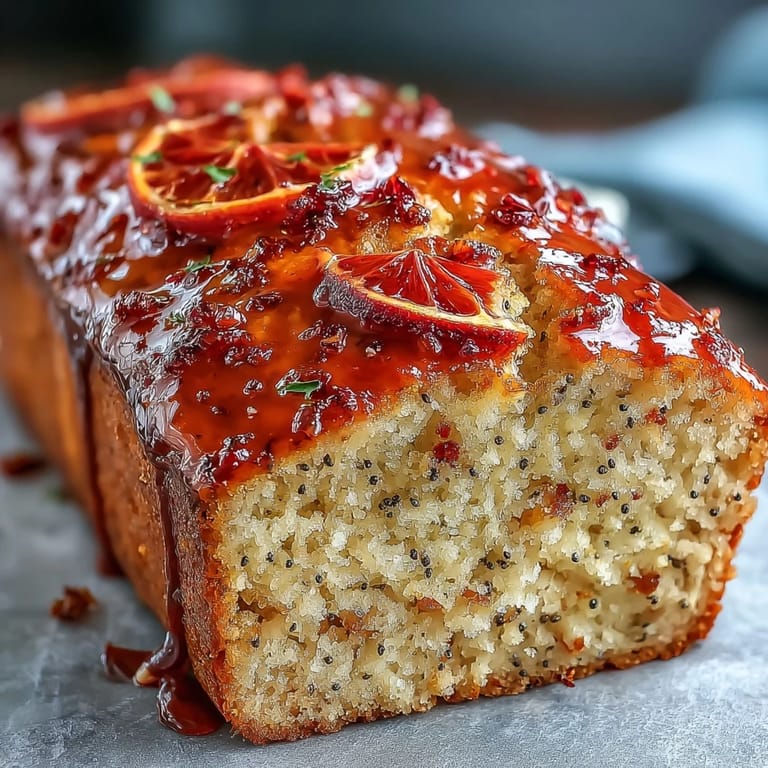
Save There's something about blood oranges that catches you off guard—that first slice through the skin and the deep crimson juice that stains your fingers reminds you that nature's more dramatic than any recipe. I stumbled onto this cake while browsing a farmers market one winter morning, drawn to a vendor's pile of jewel-toned fruit, and couldn't resist the challenge of building something as striking as those oranges deserved. The combination of poppy seeds' quiet earthiness and marzipan's delicate almond sweetness just clicked in my head, and I went home determined to test it.
I made this for my neighbor one February afternoon after her surgery, and watching her face when she tasted it—that moment where you see someone actually present with food instead of just eating—reminded me why baking matters. She called me the next week to say she'd eaten half the loaf in one sitting, which felt like the highest compliment possible.
Ingredients
- All-purpose flour: Two hundred grams gives you structure without making the cake heavy; sifting isn't essential here, but whisking the dry ingredients really does distribute the baking powder evenly.
- Baking powder: One and a half teaspoons is your leavening workhorse, so use fresh powder if you can—old baking powder sits in cupboards and loses its lift.
- Salt: A quarter teaspoon might seem tiny, but it brightens the orange and keeps the sweetness from feeling cloying.
- Poppy seeds: Two tablespoons scatter throughout like little flavor mines; they add nuttiness and textural surprise that elevates this from a standard citrus cake.
- Unsalted butter: One hundred twenty grams, softened to room temperature, creams best with sugar and creates that light, fluffy base everything builds on.
- Granulated sugar: Two hundred grams sweetens the cake and helps trap moisture, which is why the crumb stays soft.
- Blood orange zest: From two oranges, this is where the magic lives—zest goes straight into the butter and sugar so the oils infuse everything from the start.
- Eggs: Two large ones at room temperature temper the batter and add richness without feeling eggy or sulfurous.
- Marzipan: Eighty grams grated on the large side of a box grater creates small shreds that distribute evenly and melt into the batter for moisture and almond depth.
- Blood orange juice: One hundred twenty milliliters from two to three oranges (you'll need extras for the glaze), this is the liquid that carries citrus flavor into every layer.
- Whole milk: Sixty milliliters balances the acidity of the juice so the cake rises properly.
- Vanilla extract: One teaspoon provides a gentle backdrop that lets the orange shine.
- Powdered sugar: One hundred twenty grams for the glaze whisks smooth with blood orange juice to create a silky, pourable finish.
Tired of Takeout? 🥡
Get 10 meals you can make faster than delivery arrives. Seriously.
One email. No spam. Unsubscribe anytime.
Instructions
- Get your oven and pan ready:
- Preheat to 175°C (350°F) while you line a 9x5-inch loaf pan with parchment paper, pressing it into the corners so it stays put. Greasing underneath helps the paper stick and prevents sticking later.
- Combine your dry ingredients:
- In a medium bowl, whisk together flour, baking powder, salt, and poppy seeds until the poppy seeds are distributed throughout—this whisking is your insurance policy against lumpy batter. Set the bowl aside and don't overthink it.
- Cream butter, sugar, and zest:
- Beat the softened butter with granulated sugar and blood orange zest in a large bowl for about three minutes until the mixture looks pale, fluffy, and almost mousse-like. You'll see it transform and feel lighter under the whisk—that's when you know the air's been incorporated and you're ready for eggs.
- Add eggs one at a time:
- Drop in one egg, beat well until fully combined, then add the second and repeat. Rushing this step means you might end up with curdled batter, which breaks the emulsion and makes the cake dense, so take your time here.
- Fold in the marzipan:
- Gently fold the grated marzipan into the batter until you can't see any white streaks, using a spatula and moving carefully so you don't deflate all that whipped air you just worked in. Little chunks are fine—they'll melt into pockets of almond sweetness.
- Mix the wet flavor base:
- Combine blood orange juice, milk, and vanilla extract in a separate bowl and stir to combine—nothing fancy, just mixing.
- Alternate dry and wet ingredients:
- Add the dry mixture to the butter mixture in three additions, alternating with the blood orange mixture, starting and ending with dry ingredients. Stir until just combined; overmixing develops gluten and makes the crumb tough and rubbery, so stop as soon as streaks disappear.
- Transfer to the pan:
- Pour the batter into the lined loaf pan and smooth the top gently with a spatula so it bakes evenly. Don't press down hard—you want the batter loose and airy.
- Bake until golden:
- Bake for forty-five to fifty-five minutes, checking at the forty-five-minute mark with a toothpick inserted into the center. It should come out clean or with a few moist crumbs clinging to it; if batter is still wet, give it another five minutes and check again.
- Cool with patience:
- Let the cake rest in the pan for ten minutes—this sets the structure so it won't crumble when you turn it out. Then turn it onto a wire rack and let it cool completely before glazing.
- Finish with glaze:
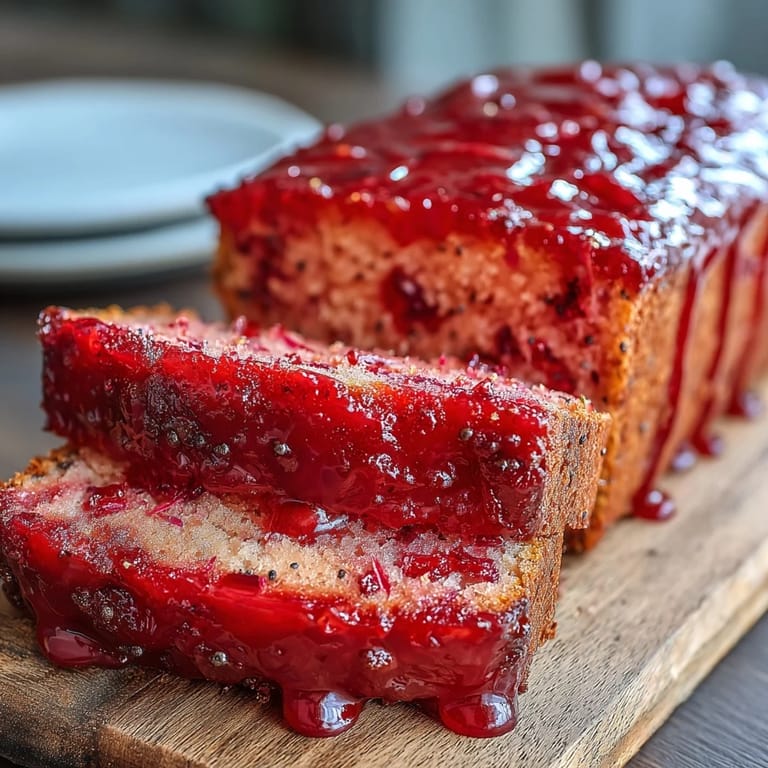
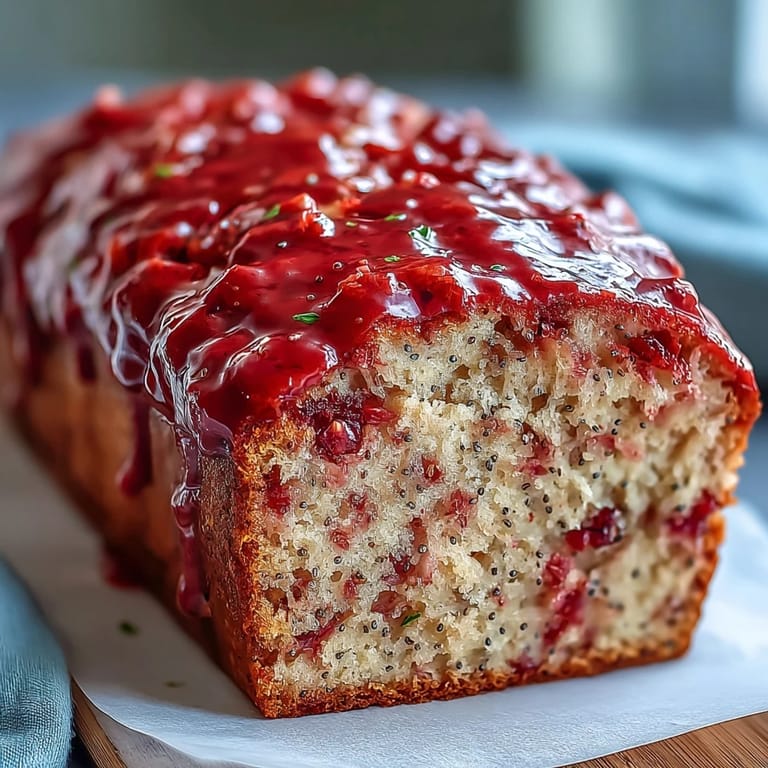
- Whisk powdered sugar with blood orange juice until smooth and pourable, then drizzle over the cooled cake and let it set for a few minutes before slicing. The glaze hardens slightly, which protects the crumb and looks gorgeous.
 Save
Save This cake arrived at my friend's kitchen one snowy afternoon, still warm from my oven, and we sliced it with tea while snow collected outside the window—one of those perfect moments where you remember that baking is really about showing up for people. The ruby-colored crumb and the way the glaze caught the light made even the ordinary Tuesday feel special.
Why Blood Orange Matters
Blood oranges are more than just a prettier citrus; they have a slightly different acidity and a berry-like undertone that regular oranges don't offer. When they're in season (winter into early spring), their flavor is bold enough to carry a whole cake without tasting thin or one-dimensional. If blood oranges aren't available where you live, regular navel oranges work, but you'll lose that jewel-toned color and the subtle complexity, so seek them out if you can.
The Magic of Marzipan
Marzipan might seem like an unusual addition to a loaf cake, but grating it directly into the batter is a trick I borrowed from European baking traditions. It dissolves slightly as the cake bakes, adding moisture and a delicate almond flavor that doesn't shout but makes the whole cake taste more refined. You can find quality marzipan in the baking aisle of most grocery stores, or in specialty shops—check the ingredient list to make sure it's not loaded with artificial flavoring.
Storage, Pairing, and Last-Minute Thoughts
This cake keeps beautifully for two to three days in an airtight container at room temperature, and the flavor actually deepens as it sits. It pairs like a dream with Earl Grey tea (the bergamot echoes the orange notes) or with a glass of Prosecco if you're feeling celebratory. A tiny splash of orange liqueur in the glaze—Grand Marnier, if you have it—takes it into special-occasion territory without overwhelming the balance.
- If you're in a hurry and can't wait for the cake to cool completely, the warm glaze will melt slightly, which actually looks lovely and organic.
- Store the glazed cake under a cake dome or in an airtight container; plastic wrap pressed directly on the surface can stick to the glaze.
- Double-check your blood orange supply before you start so you're not scrambling for extra juice mid-glaze.
 Save
Save This cake is worth making whenever you see blood oranges at the market, because it turns simple ingredients into something that feels both elegant and entirely yours. Every time someone tastes it, you get to watch them discover that baking is love made edible.
Recipe FAQ
- → Can I use regular oranges instead of blood oranges?
Yes, you can substitute regular oranges, though you'll lose the distinctive ruby color and slightly berry-like flavor. The cake will still be delicious with a classic orange taste.
- → How do I know when the loaf cake is fully baked?
Insert a toothpick into the center of the cake. If it comes out clean or with just a few moist crumbs, the cake is done. The top should be golden and spring back when lightly pressed.
- → Can I make this cake ahead of time?
Absolutely. This loaf cake actually improves after a day as the flavors meld. Store it in an airtight container at room temperature for up to 3 days, or freeze for up to 3 months.
- → What can I use if I don't have marzipan?
Almond paste is the closest substitute and will provide a deeper almond flavor. Alternatively, you can add an extra tablespoon of ground almonds and a touch more sugar.
- → Why is my glaze too thick or too thin?
Adjust the consistency by adding more powdered sugar to thicken or more blood orange juice to thin. The ideal glaze should flow smoothly but not be watery.
- → Can I add other mix-ins to this cake?
Yes, chopped pistachios, white chocolate chips, or dried cranberries would complement the blood orange and marzipan beautifully without overwhelming the delicate citrus flavor.