 Save
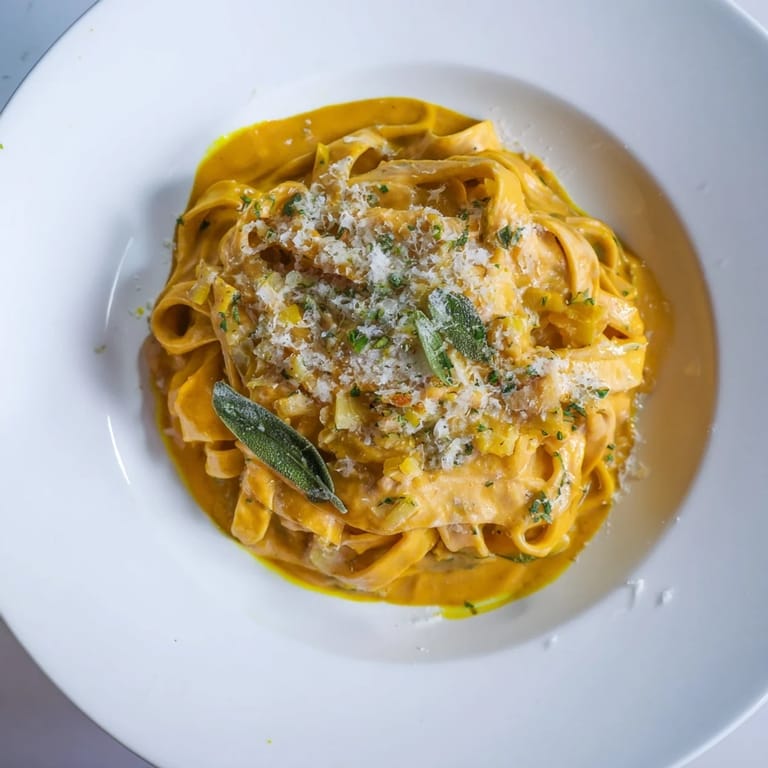
Save There's something about October that makes me crave this pasta. I was rushing through the farmers market, overwhelmed by the endless piles of squash, when a vendor suggested I try roasting mine into a sauce instead of soup. That one sentence changed everything—suddenly I was home, blending golden chunks of butternut squash with cream, and the kitchen filled with this warm, almost sweet aroma that made the whole day feel less hectic. Now whenever I make it, I'm transported back to that moment of culinary serendipity.
I made this for my partner one quiet weeknight when we both needed comfort food, and I watched their face light up when they tasted it. The pasta was perfectly coated, the sauce clung to every strand, and somehow a dish I'd only tried once before felt like something I'd been perfecting for years. We sat at the kitchen counter with steaming bowls, and for once, neither of us reached for our phones.
Ingredients
- Butternut squash (1 medium, about 2 lbs): The star of the show—cubed and roasted until caramelized, it becomes naturally sweet and creamy when blended, so don't be tempted to skip the roasting step.
- Garlic (2 cloves, unpeeled): Roasting mellows the garlic into something mellow and almost buttery, completely different from raw garlic's bite.
- Yellow onion (1 small): Diced and sautéed with sage, it adds depth and sweetness that balance the richness of the cream.
- Fresh sage (1 tablespoon chopped or 1 teaspoon dried): This herb is not optional if you want authentic flavor; it brings an earthy, slightly peppery note that makes the dish feel intentional.
- Fettuccine or tagliatelle (12 oz): Use dried pasta unless you have access to fresh—the texture holds the sauce better, and the wider ribbons showcase it beautifully.
- Heavy cream (1/2 cup): This is what transforms roasted squash into sauce; coconut milk works beautifully for a vegan version and brings its own subtle sweetness.
- Parmesan cheese (1/3 cup grated): Stir it in at the end so it melts into the sauce without becoming grainy; taste as you go because you might want more.
- Vegetable broth (3/4 cup): Use low-sodium broth so you control the salt level throughout the dish.
- Olive oil (2 tablespoons total): Quality matters here since it's one of the few ingredients you actually taste on its own.
- Salt, black pepper, and nutmeg: The nutmeg is optional but I promise it whispers in the background and makes everything taste more intentional.
- Fresh parsley (2 tablespoons for garnish): A bright final touch that cuts through the richness and makes the dish feel finished.
Tired of Takeout? 🥡
Get 10 meals you can make faster than delivery arrives. Seriously.
One email. No spam. Unsubscribe anytime.
Instructions
- Get your oven ready and prep the squash:
- Preheat your oven to 400°F and line a baking sheet with parchment paper. Cube the butternut squash (yes, it's a bit of work, but trust me), and scatter it on the sheet along with your unpeeled garlic cloves. Drizzle everything with a tablespoon of olive oil, sprinkle generously with salt and pepper, and toss until every piece is coated.
- Roast until golden and caramelized:
- Pop the sheet in the oven and roast for 25 to 30 minutes, stirring halfway through. You're looking for tender flesh and those beautiful caramelized edges—that's where the real flavor lives.
- Get your pasta water ready:
- While the squash roasts, bring a large pot of salted water to a boil and cook your pasta according to the package directions. Before draining, reserve a half cup of that starchy water—it's liquid gold for adjusting your sauce consistency later.
- Build flavor with aromatics:
- In a large skillet, heat your remaining tablespoon of olive oil over medium heat. Add your diced onion and chopped sage, and let them sauté for about four minutes until the onion softens and everything smells incredibly inviting.
- Blend into creamy magic:
- Squeeze the roasted garlic out of its papery skins and add it to a blender or food processor along with the roasted squash, sautéed onion and sage, vegetable broth, and heavy cream. Blend until completely smooth and luscious.
- Finish the sauce with finesse:
- Pour the sauce back into your skillet over low heat and stir in the grated Parmesan and a pinch of nutmeg if you're using it. Taste and adjust the seasoning with salt and pepper until it feels right; if it's too thick, add reserved pasta water a splash at a time.
- Bring it all together:
- Add your cooked pasta to the sauce and toss gently to coat every strand. Warm everything through for two to three minutes, then taste one more time before plating.
- Plate and celebrate:
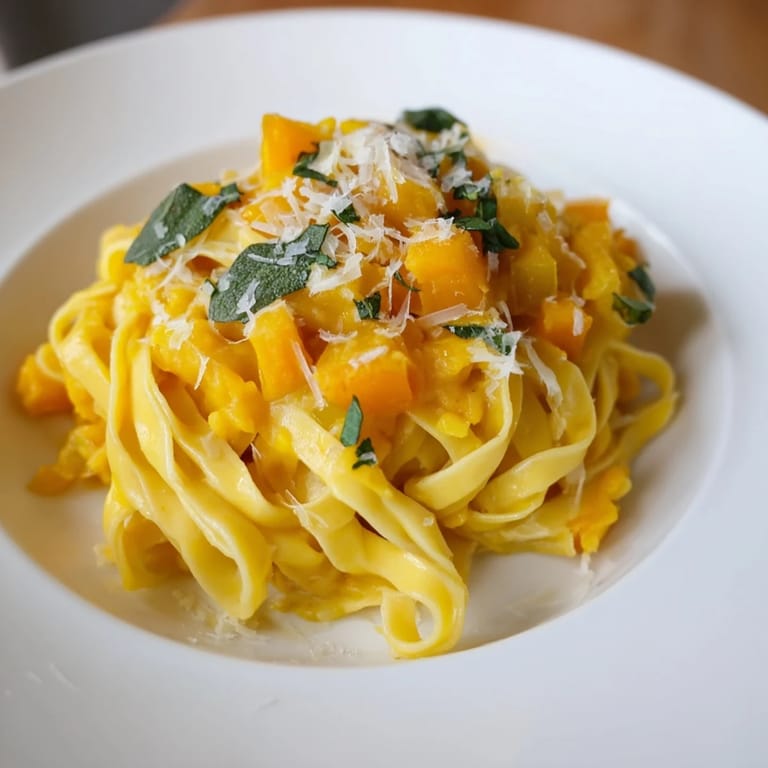
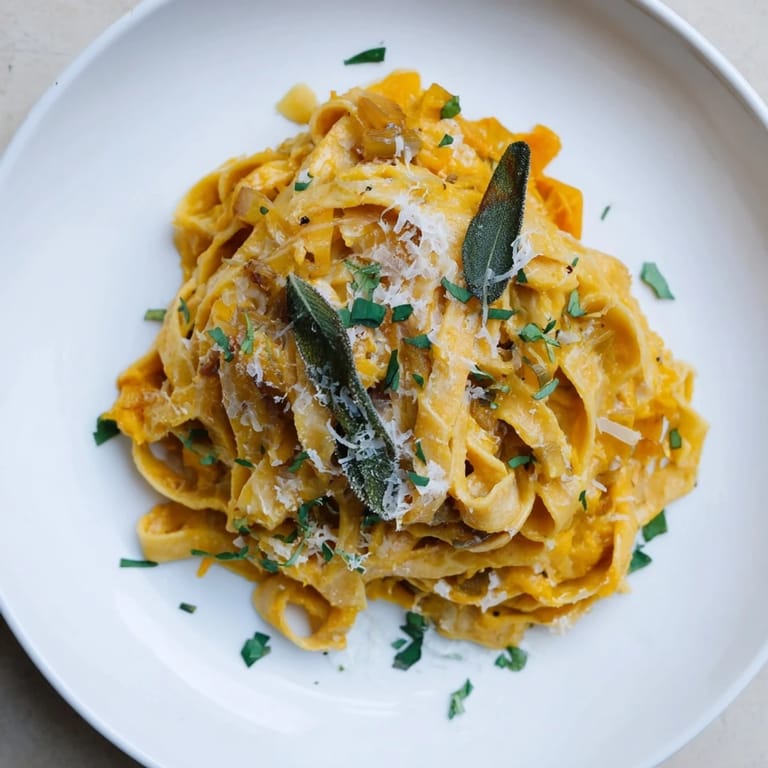
- Divide among bowls, top with fresh chopped parsley and a shower of extra Parmesan, and serve immediately while everything is warm and the flavors are singing.
 Save
Save I learned something important the third time I made this—that the sauce shouldn't be perfectly thin like a restaurant version, but rather thick enough to coat the back of a spoon. It makes the whole experience feel more luxurious, more intentional, like someone actually took time to build something beautiful for you.
Why This Sauce Works
Roasting the squash concentrates its natural sugars and brings out flavors that raw or boiled squash simply can't deliver. The caramelized edges add depth, and when you blend it with cream and broth, you get something that feels like you've been tending to this sauce all day, even though the whole process takes less than an hour. The sage is the quiet hero—it prevents the dish from tasting one-dimensional and keeps it from feeling like you're eating sweetness straight from a dessert course.
Making It Your Own
This is a foundation, not a rulebook. I've added sautéed mushrooms on rainy days when I wanted more earthiness, tossed in handfuls of spinach when I wanted greens, and scattered toasted walnuts when I felt like adding crunch. Each variation changes the mood of the dish without breaking what makes it work. Some people swear by adding a tiny pinch of cayenne pepper for heat, while others finish with crispy sage leaves fried in butter. The recipe is flexible enough to bend toward whatever you're craving.
Variations and Substitutions
For a vegan version, swap the heavy cream for full-fat coconut milk and use a plant-based Parmesan alternative—the dish loses nothing and gains a subtle tropical undertone. If you can't find fettuccine, any pasta shape works, though wider ribbons and shorter tubes tend to showcase the sauce better than thin spaghetti. Fresh herbs beat dried every time, but if you only have dried sage, use about one third of the amount since dried herbs are more concentrated. If you want to add roasted vegetables, mushrooms and spinach integrate seamlessly, while things like broccoli and kale benefit from being added during the last minute so they stay distinct.
- For gluten-free versions, check that your pasta is certified and that your vegetable broth contains no hidden gluten.
- Pairing it with a crisp white wine like Pinot Grigio balances the richness without overwhelming the squash.
- Leftovers keep for three days in the refrigerator and reheat gently with a splash of broth or cream to loosen them back up.
 Save
Save This pasta has become the dish I reach for when I want to feel taken care of, and now when I make it for others, I watch them understand exactly why. It's one of those recipes that reminds you why cooking matters—not because it's complicated, but because it's genuinely delicious and takes you somewhere warm.
Recipe FAQ
- → How do you roast butternut squash for this dish?
Peel and cube the squash, then roast at 400°F with olive oil, salt, and pepper until tender and caramelized, about 25–30 minutes.
- → Can I use a different type of pasta?
Fettuccine or tagliatelle works best, but any long pasta can be used to hold the creamy sauce well.
- → Is there a vegan alternative for the cream and cheese?
Yes, use full-fat coconut milk for cream and plant-based Parmesan substitutes to keep the dish plant-based.
- → How do I adjust the sauce consistency?
Add reserved pasta water gradually to the blended squash sauce to reach the desired silky texture.
- → What herbs complement the sauce?
Fresh sage adds warmth and earthiness, while parsley brightens the finished dish when sprinkled on top.