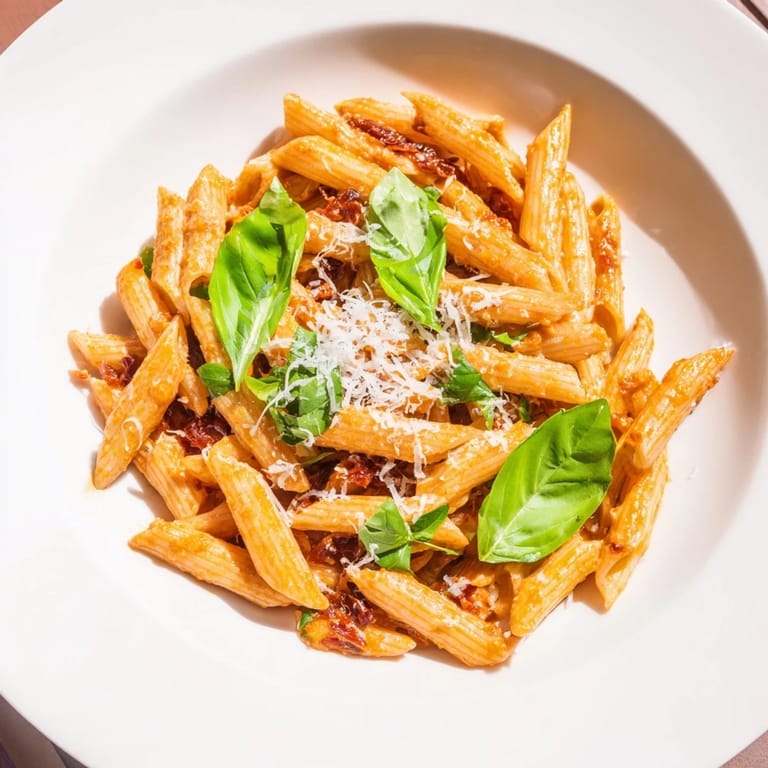
 Save
Save I discovered sun-dried tomato pesto on a lazy Sunday afternoon when I had a half-empty jar of sun-dried tomatoes staring at me from the pantry. Instead of making the traditional basil pesto I'd made a hundred times, I thought: what if I swapped them in? The result was so unexpectedly bright and rich that I've been making it ever since. It's become my go-to when I want something that feels special but takes barely longer than boiling water.
The first time I served this to friends, I was honestly nervous—sun-dried tomatoes can feel fancy or intimidating. But watching them taste it, their eyes light up, and then go back for seconds told me everything. One friend asked for the recipe immediately, and now I think she makes it more often than I do.
Ingredients
- Pasta (400 g dried): Penne, fusilli, or spaghetti all work beautifully; choose whatever shape you love because it affects how the pesto clings.
- Sun-dried tomatoes in oil (120 g drained): These are the soul of the dish—don't skip reserving that 2 tablespoons of oil because it carries so much concentrated flavor.
- Parmesan cheese (50 g freshly grated): Pre-grated won't bind the pesto the same way; take the extra minute to grate it fresh.
- Pine nuts (40 g toasted): Toasting them first brings out their buttery sweetness; if you skip this step, you'll taste the difference.
- Garlic cloves (2): Fresh and peeled, ready to mingle with everything else.
- Fresh basil leaves (30 g): This might seem like a small amount, but it's the brightness that stops the pesto from tasting heavy.
- Extra-virgin olive oil (2 tbsp): The final touch that makes the pesto silky.
- Lemon juice (from 1/2 lemon): A secret weapon that lifts the entire dish and keeps it from feeling one-dimensional.
- Salt and black pepper: Taste as you go because sun-dried tomatoes are salty already.
- Fresh basil and Parmesan for serving: These aren't afterthoughts—they're the final flourish that transforms a good dish into one people remember.
Tired of Takeout? 🥡
Get 10 meals you can make faster than delivery arrives. Seriously.
One email. No spam. Unsubscribe anytime.
Instructions
- Boil the pasta with intention:
- Salt your water generously—it should taste like the sea. This is your only chance to season the pasta itself. Cook until al dente, which means it should still have a gentle resistance when you bite it.
- Build the pesto while water boils:
- Combine the sun-dried tomatoes, Parmesan, pine nuts, garlic, and basil in your food processor. Pulse gently at first—you're not making a paste, you're creating texture.
- Emulsify into silk:
- Add the reserved sun-dried tomato oil, olive oil, and lemon juice. Blend until the mixture moves from chunky to smooth, scraping the sides when it gets stuck. If it looks too thick, introduce pasta water a tablespoon at a time until it loosens.
- Marry pasta and pesto:
- Drain the pasta, reserving that starchy water like liquid gold. Toss everything together in a big bowl, using the pasta water to loosen the pesto until it coats every strand like a silky gloss.
- Serve immediately with flourish:
- Transfer to plates while it's still warm, finishing each portion with a whisper of fresh basil and a shower of Parmesan.
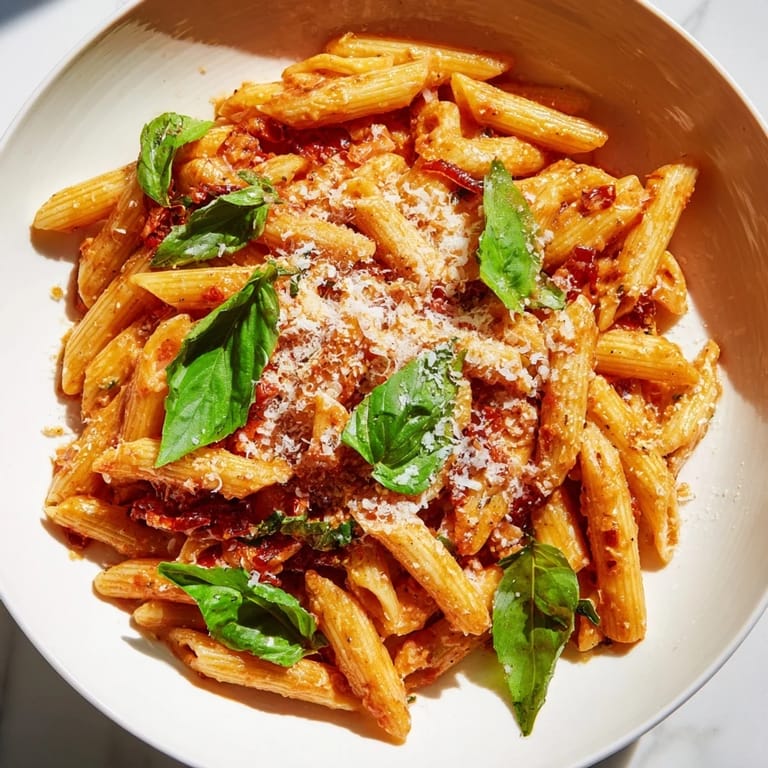 Save
Save I learned the magic of this dish on a Tuesday when someone I'd cooked for messaged to say they'd made it themselves and it reminded them of lunch we'd shared. That's when I realized food isn't just about flavor—it's about creating moments people want to recreate.
Why Sun-Dried Tomatoes Work Magic
Sun-dried tomatoes are tomatoes distilled down to their essence. They're sweet, tangy, and deeply savory all at once—more concentrated than fresh tomatoes could ever be. When you blend them into pesto, they don't just add flavor; they add umami and a subtle sweetness that keeps the dish from tasting one-note. Unlike traditional basil pesto, which can fade or feel heavy, this version stays bright and memorable even days later.
Adaptations That Never Disappoint
This recipe welcomes creativity without complaint. Swap walnuts for pine nuts if your budget says so—they toast beautifully and add an earthier note. If you're cooking for someone vegan, nutritional yeast replaces Parmesan without losing that umami depth. Some nights I add a handful of arugula at the very end, just for a peppery whisper. Other times, I'll stir in roasted vegetables or cooked chicken if I need the meal to feel more substantial.
Storage and Timing Tips
Make the pesto ahead and keep it in an airtight container for up to five days—the flavors actually deepen as it sits. On busy nights, I've assembled plates of cold pasta tossed with chilled pesto, and it's just as delicious as the warm version. The pasta cooks in fifteen minutes and the pesto in ten, which means you're genuinely eating something restaurant-quality before most people finish their emails.
- Always reserve pasta water before draining, and keep it nearby while you toss.
- Taste the pesto before it meets the pasta and adjust the lemon and salt to your preference.
- Serve immediately for the best texture, but don't panic if you need to eat leftovers cold the next day—they're still wonderful.
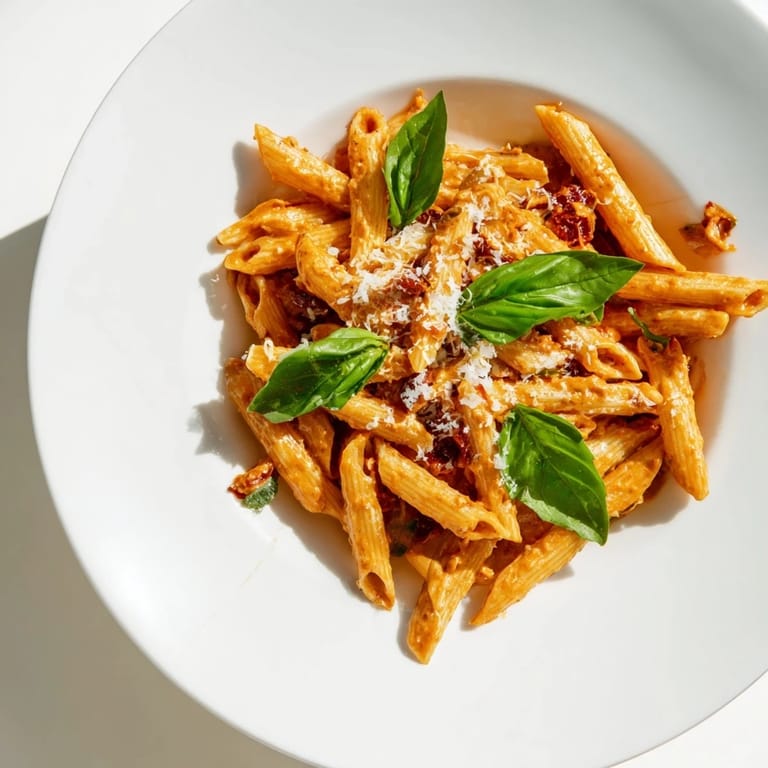 Save
Save This dish has quietly become the recipe I'm proudest of, not because it's complicated but because people actually make it. It sits at the exact intersection of impressive and approachable, which is where the best food always lives.
Recipe FAQ
- → What type of pasta works best with sun-dried tomato pesto?
Pasta shapes like penne, fusilli, or spaghetti hold the pesto well and complement the flavors nicely.
- → Can I substitute nuts in the pesto?
Yes, pine nuts can be replaced with toasted walnuts or other nuts of your choice for a different texture and taste.
- → How do I adjust the pesto consistency?
If the pesto is too thick, adding reserved pasta cooking water gradually will achieve a smoother, silkier sauce.
- → Is it possible to make this dish vegan-friendly?
Substitute Parmesan cheese with nutritional yeast to maintain a cheesy flavor without dairy.
- → What garnishes enhance the dish?
Fresh basil leaves and extra grated Parmesan add aroma and depth to the finished pasta.
- → How should the sun-dried tomatoes be prepared before blending?
Drain the tomatoes well but reserve some of their oil to incorporate into the pesto for flavor and smoothness.