 Save
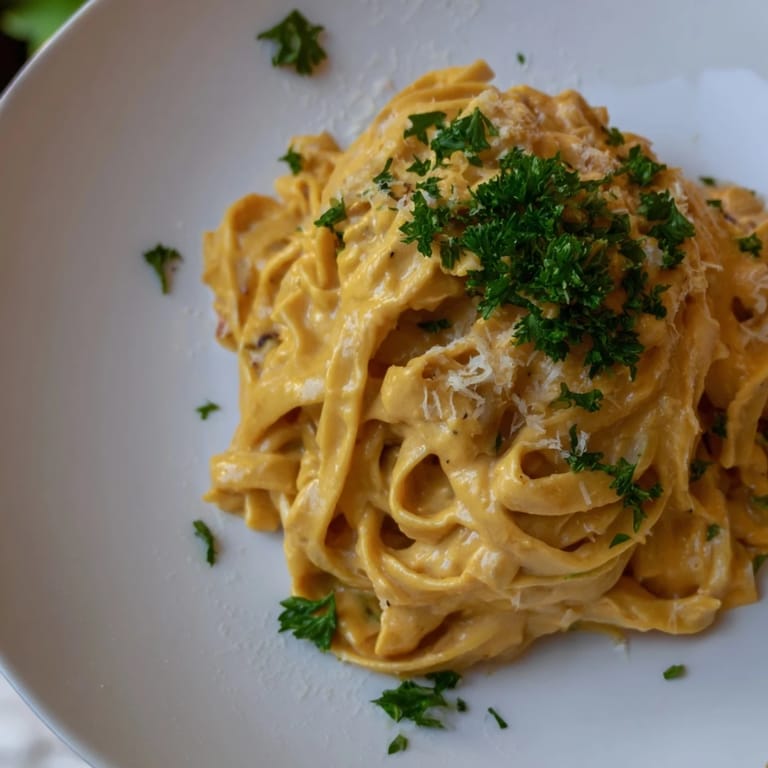
Save There's something about October that makes me crave this pasta, though honestly I first made it on a random Wednesday in March when I had a butternut squash sitting in my pantry that I'd been meaning to use. I roasted it more out of desperation than inspiration, but the moment that golden puree hit the blender with cream and sage, the whole kitchen transformed into something warm and almost luxurious. It became the kind of dish I make when I want to feel like I'm taking care of myself without spending all evening in the kitchen.
I made this for my sister on her first night after moving into her new apartment, when her kitchen was still mostly boxes and she was too tired to unpack properly. She had a pot and a skillet and not much else, so we improvised with what she had. Watching her taste it and just close her eyes for a second, saying nothing, told me everything I needed to know about why this recipe matters.
Ingredients
- Butternut squash: One medium one gives you the right amount of puree without being overwhelming; peel it while raw if you can, it's actually easier.
- Garlic: Roast it unpeeled so the cloves stay soft and sweet, and you'll squeeze them right out of their skins like little drops of gold.
- Yellow onion: Diced small and sautéed with sage, it becomes almost invisible but its sweetness is everywhere in the sauce.
- Fresh sage: This is the herb that ties everything together; dried works in a pinch but fresh sage leaves, crumbled as you cook, make you feel like you're doing something intentional.
- Fettuccine or tagliatelle: Go with fresh if you can find it; the delicate ribbons hold the sauce better than thin strands.
- Heavy cream: Full-fat coconut milk works if you're avoiding dairy, and honestly tastes almost as good.
- Parmesan: Grate it yourself if possible; the pre-shredded stuff has anti-caking agents that make the sauce feel slightly grainy.
- Vegetable broth: This is what keeps the sauce from becoming a thick paste; use the good stuff, not the watered-down kind.
- Olive oil: You'll use it twice, so don't reach for the cheapest bottle.
- Nutmeg: Just a pinch, almost to the point where people can't quite name what they're tasting.
Tired of Takeout? 🥡
Get 10 meals you can make faster than delivery arrives. Seriously.
One email. No spam. Unsubscribe anytime.
Instructions
- Get your oven ready:
- Set it to 400°F and line your baking sheet with parchment paper so everything comes off clean and nothing sticks.
- Roast the squash and garlic:
- Toss the cubed squash and whole garlic cloves with 1 tablespoon olive oil, salt, and pepper, then spread them out in a single layer. Roast for 25 to 30 minutes, giving everything a stir halfway through so the edges caramelize evenly and the squash gets tender all the way through.
- Cook the pasta:
- While the squash roasts, boil a large pot of well-salted water and cook your pasta according to the box, but pull it out about a minute early so it's still got a little resistance. Save about half a cup of that starchy pasta water before you drain it.
- Build the aromatics:
- In a large skillet over medium heat, warm the remaining tablespoon of olive oil and sauté your diced onion with the sage, letting them soften and become fragrant, which takes about 4 minutes and fills your kitchen with the best smell.
- Make the sauce silky:
- In a blender or food processor, combine the roasted squash and garlic, the sautéed onion and sage, the vegetable broth, and the heavy cream, then blend until it's completely smooth and pourable. This is where the magic happens.
- Season and adjust:
- Pour the sauce back into the skillet over low heat, stir in the Parmesan and a small pinch of nutmeg, then taste and adjust with salt and pepper. If it's too thick, splash in some of that reserved pasta water until it coats a spoon like silk.
- Bring it all together:
- Add the drained pasta to the sauce and toss everything gently for 2 or 3 minutes so the pasta gets coated and comes to temperature.
- Finish and serve:
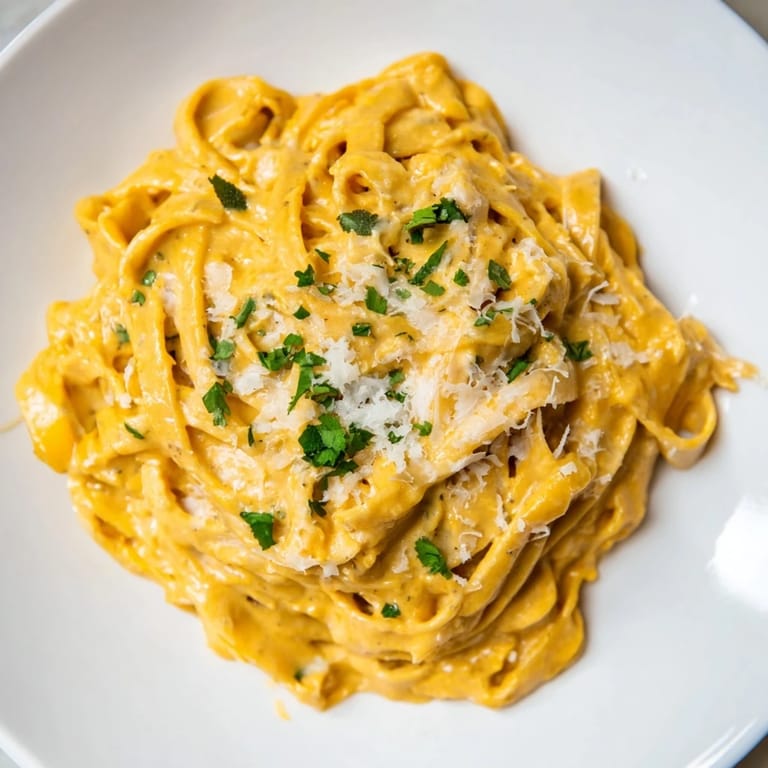
- Transfer to bowls or plates, scatter with fresh chopped parsley and a little extra Parmesan, and serve while everything is still warm and the steam is rising off it.
 Save
Save A friend of mine who'd been vegetarian for years told me this was the first pasta dish that made her feel like she wasn't eating a compromised version of something, that it stood on its own as something she actually wanted. That's when I understood that good vegetarian cooking isn't about substitution; it's about knowing what vegetables can do when you treat them with respect.
Why Fall Is When I Make This Most
Butternut squash feels like fall, even though you can buy it any time of year, and there's something about that orange color and the way it tastes that makes October and November feel cozier. I've made this in summer too, and it's lovely, but there's a rightness to making it when the air gets a little bit crisp and you want comfort food that's still lighter than a heavy meat sauce. The sage in the recipe helps with that; it's an herb that knows about seasons and transitions, and it keeps everything from feeling too dense.
How to Adapt This for What You Have
You can substitute almost every ingredient here and the dish still works beautifully. Use butternut squash, delicata, or even pumpkin if that's what's in your kitchen. Don't have fettuccine? Any pasta takes this sauce well. Coconut milk, cashew cream, or even a splash of plant-based milk mixed with a little cornstarch can replace the heavy cream. The core of this recipe is the roasted squash and sage working together, and that magic stays constant no matter what else you change.
Serving Ideas and Pairings
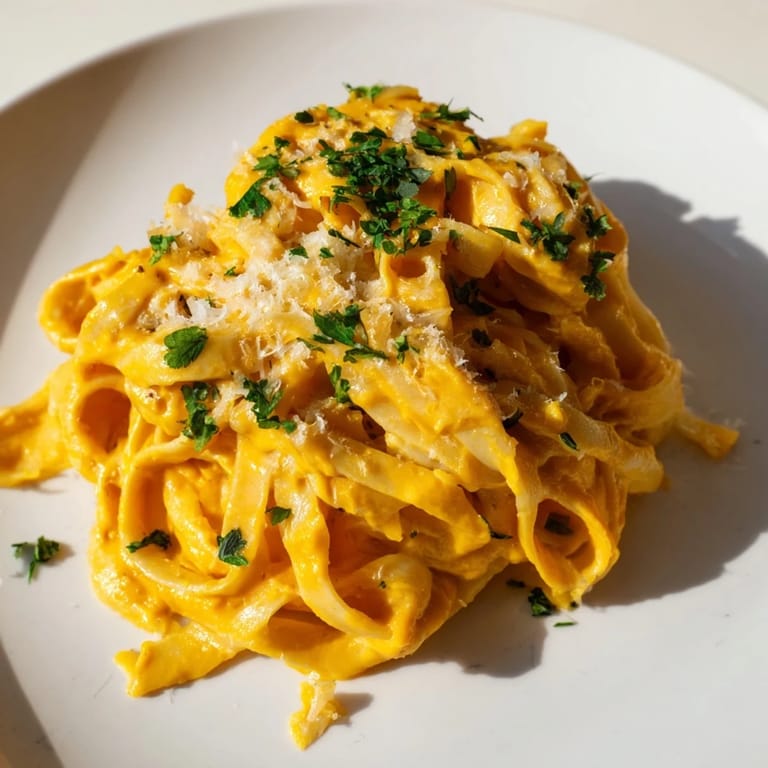
This pasta is beautiful on its own, but if you want to build a whole meal around it, add a crisp green salad with a sharp vinaigrette to cut through the richness, and maybe some crusty bread for soaking up the extra sauce. A glass of dry white wine, something like Pinot Grigio or Vermentino, makes everything taste a little bit more intentional. Sautéed mushrooms, spinach wilted right into the sauce, or toasted walnuts scattered on top all work if you're looking for texture, and honestly, extra Parmesan is never wrong.
- Make it a whole meal by pairing it with a bitter green salad dressed simply with olive oil and lemon.
- Toast some walnuts or breadcrumbs to scatter on top for crunch if you like that contrast.
- Fresh thyme or even a tiny pinch of cayenne on top adds complexity when you're looking to surprise yourself.
 Save
Save This recipe has become one of those dishes I make without thinking much about it anymore, the way you move through a kitchen you know well. But that ease is built on the little lessons you pick up the first few times you make it, and on understanding why each step matters.
Recipe FAQ
- → How do you roast butternut squash for this dish?
Peel and cube the squash, then roast at 400°F for about 25–30 minutes until tender and caramelized at the edges.
- → Can I use alternative pasta types?
Yes, dried fettuccine or tagliatelle works well, but fresh pasta or gluten-free varieties can also be used.
- → How is creaminess achieved without dairy?
Substitute heavy cream with full-fat coconut milk and Parmesan with vegan alternatives to maintain a creamy texture.
- → What herbs complement this sauce?
Fresh sage and parsley are integral for flavor, while a pinch of nutmeg adds warmth and depth.
- → Is it possible to add extra texture?
Yes, sautéed mushrooms, spinach, or toasted walnuts add variety and interest to the dish.