 Save
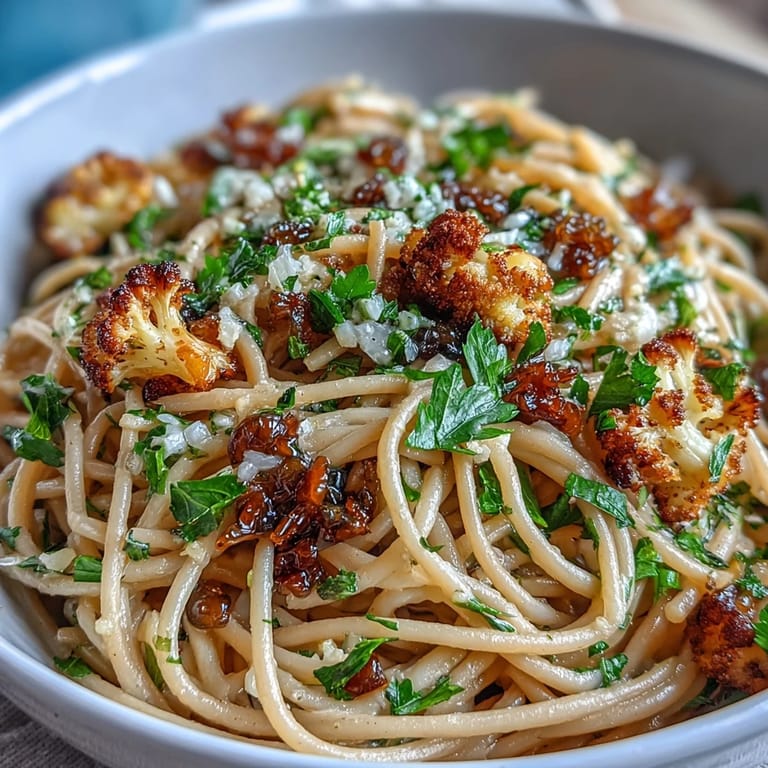
Save There's a particular Tuesday evening I can't shake—my partner mentioned wanting something lighter, and I'd just discovered a tin of anchovies hidden in the back of the pantry. The combination felt wild at first: fish, pasta, and raisins in the same bowl? But that initial skepticism melted the moment the anchovy fillets dissolved into the warm oil, releasing this deep, salty perfume that made the whole kitchen smell like possibility. Now this dish shows up whenever I need to prove that simple ingredients, when they trust each other, create something unexpectedly magnificent.
I made this for my sister after she mentioned being tired of the same weeknight rotations, and watching her face when she took that first bite—skeptical, then curious, then genuinely impressed—reminded me why cooking for people matters. She kept going back for more, not because she was being polite, but because her palate was genuinely surprised by how the sweet raisins and salty anchovies created this unexpected harmony.
Ingredients
- Whole wheat spaghetti (320 g): The nuttiness of whole grain pasta grounds this dish and prevents it from feeling too delicate—it holds up beautifully to the bold anchovy sauce without getting lost.
- Cauliflower florets (1 medium head, about 600 g): Roasting is non-negotiable here; it transforms raw cauliflower into something golden and almost caramelized, which gives the dish textural contrast and natural sweetness.
- Anchovy fillets (6, drained and chopped): Don't let the fish intimidate you—these dissolve into the oil and become the backbone of umami depth, not fishy or overpowering when handled gently.
- Raisins (40 g): They plump slightly in the warmth of the finished dish, offering little pockets of concentrated sweetness that balance the saltiness perfectly.
- Garlic (2 cloves, thinly sliced): Slice thin so it becomes translucent and mellow rather than aggressive; this is about building layers, not shouting.
- Capers (1 tbsp, rinsed and chopped): Rinsing removes excess salt, and chopping them ensures their briny pop distributes evenly throughout.
- Red chili (1 small, finely chopped, optional): A whisper of heat wakes up the other flavors without overwhelming—think of it as a gentle nudge rather than a shout.
- Lemon zest (from 1 lemon): Added at the very end, this brightens everything and prevents the dish from feeling heavy or one-dimensional.
- Extra virgin olive oil (2 tbsp total): Quality matters here because there's nowhere for it to hide—it becomes part of the sauce rather than just a cooking fat.
- Flat-leaf parsley (2 tbsp, chopped): Fresh herbs at the finish add color, fragrance, and a reminder that this is vibrant food.
Tired of Takeout? 🥡
Get 10 meals you can make faster than delivery arrives. Seriously.
One email. No spam. Unsubscribe anytime.
Instructions
- Roast the cauliflower until it turns golden:
- Toss florets with 1 tablespoon olive oil, salt, and pepper, then spread on a baking sheet. Roast at 220°C (425°F) for 18-20 minutes, turning once halfway through—you want the edges caramelized and the insides tender enough to give slightly when you press them. Listen for the sizzle; that's your sign the sugars are caramelizing.
- Get your pasta water ready:
- Bring a large pot of salted water to a boil and cook the spaghetti according to package instructions until al dente—it should have a tiny firmness in the center when you bite it. Before draining, scoop out and set aside about 1/2 cup of that starchy pasta water; it's liquid gold for bringing everything together.
- Build the sauce foundation:
- Add the remaining 1 tablespoon olive oil to a large skillet over medium heat. Sauté the sliced garlic and chili for about 1 minute until you smell that toasted garlic fragrance—don't let it color or brown or it will turn bitter. Then add the chopped anchovies and capers, stirring gently until the anchovies begin to soften and almost dissolve into the oil, creating a silky base.
- Bring everything together:
- Stir in the raisins and roasted cauliflower, tossing gently to coat everything in that anchovy-infused oil. Add the drained spaghetti and splash in some of that reserved pasta water—the starch helps the sauce cling to every strand. Keep tossing until everything is warm and the flavors mingle, about 2-3 minutes.
- Finish with brightness:
- Remove from heat, then scatter the lemon zest and fresh parsley over top. Taste and adjust seasoning with additional salt and pepper—remember, anchovies are salty, so go easy. Toss one final time and serve immediately while everything is still warm and the parsley smells fresh.
 Save
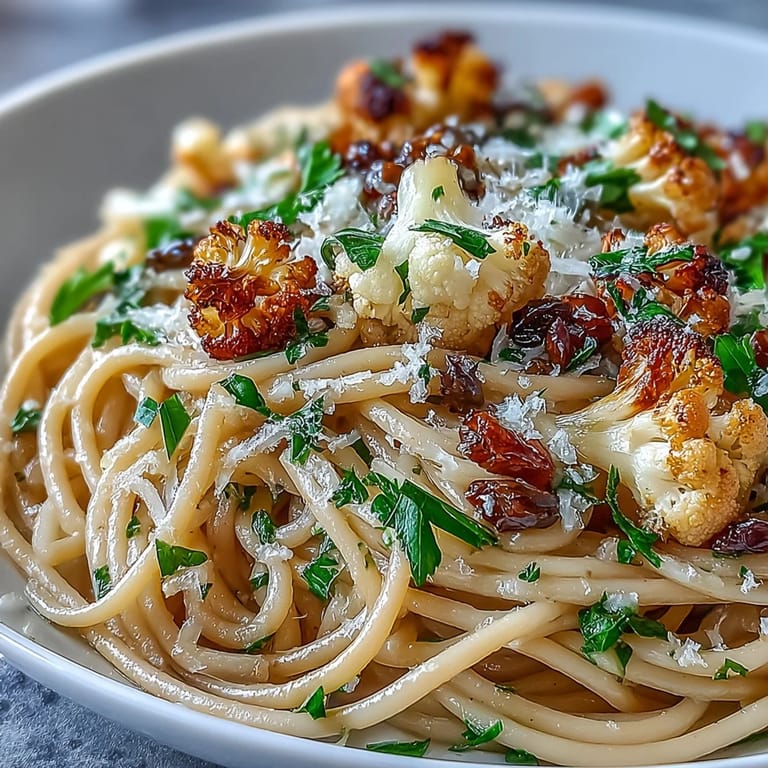
Save There was a moment during a quiet Sunday dinner when someone asked for the recipe, and I realized this dish had somehow become a regular request. What started as an experiment in using up pantry odds and ends had turned into something people genuinely craved—proof that the best meals often come from small leaps of faith.
The Secret of Anchovy Cooking
Anchovies have a reputation for being intimidating, but they're really just the most honest ingredient in your kitchen. They don't pretend to be something they're not; they're unapologetically salty and funky in the best way. When you cook them gently in warm oil, they soften and release their essence into the liquid around them, creating an invisible foundation of depth that makes people say 'I can't quite put my finger on it, but something in here tastes really good.' That's the anchovy working in the background, doing the work without taking credit.
Why Raisins Belong Here
Sweet and savory together feels trendy now, but this combination has been feeding people around Mediterranean tables for centuries. The raisins here aren't an afterthought or a cute flourish—they're a genuine flavor partner that keeps the salt and fish from becoming too dominating. As they warm in the pan, they plump slightly and release their natural sugars, creating little moments of concentrated sweetness that your palate reaches for as relief from the intensity around them.
Making It Your Own
This recipe is sturdy enough to handle your personal touches without falling apart. If you prefer currants over raisins, use them—they're slightly more tart and elegant. If pine nuts appeal to you more than the simplicity of just pasta and vegetables, toast them and scatter them on top for crunch. The anchovy and capers are the spine of the dish; everything else is you adding your own flavor to something that's already solid.
- Golden raisins bring a gentler sweetness compared to the darker variety, which can taste almost winey if you prefer something more subtle.
- A drizzle of good olive oil at the table, after cooking is complete, adds richness and brightness that can't be replicated during cooking.
- This dish is even better the next day after the flavors have deepened; leftovers reheated gently with a splash of water become something almost more refined.
 Save
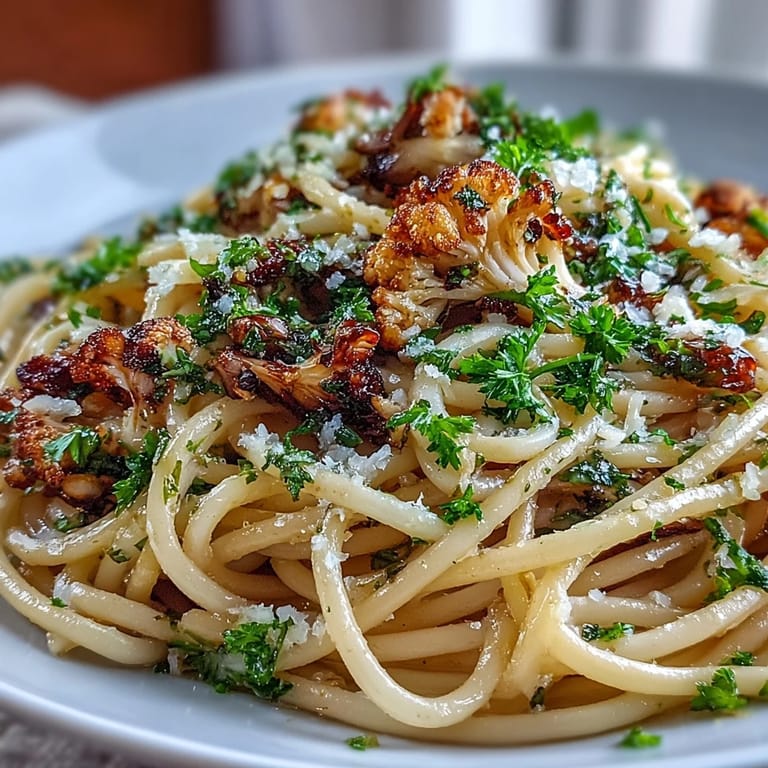
Save This spaghetti has become my proof that the most satisfying meals don't require complexity or fussiness, just ingredients that genuinely want to work together. Make it when you need something that feels both nourishing and a little bit adventurous.
Recipe FAQ
- → Can I use regular pasta instead of whole wheat spaghetti?
Yes, you can substitute with regular spaghetti or any long pasta like linguine or bucatini. The cooking time may vary slightly, so check package instructions.
- → What can I substitute for anchovies?
For a vegetarian option, try using miso paste or sun-dried tomatoes for umami depth. Alternatively, use 2 tablespoons of nutritional yeast for a savory flavor.
- → How do I prevent the cauliflower from getting mushy?
Cut florets into uniform small pieces and roast at high heat (220°C/425°F) without overcrowding the baking sheet. Turn them once during roasting for even caramelization.
- → Can I make this dish ahead of time?
While best served fresh, you can roast the cauliflower up to 2 days ahead and store refrigerated. Reheat gently before combining with freshly cooked pasta for optimal texture.
- → What wine pairs well with this pasta?
A crisp, dry white wine like Verdicchio, Pinot Grigio, or Vermentino complements the briny anchovies and sweet raisins beautifully without overpowering the delicate flavors.
- → Can I add protein to make this more filling?
Absolutely! Add grilled shrimp, pan-seared scallops, or flaked tuna during the final tossing step. Chickpeas also work well for a vegetarian protein boost.