 Save
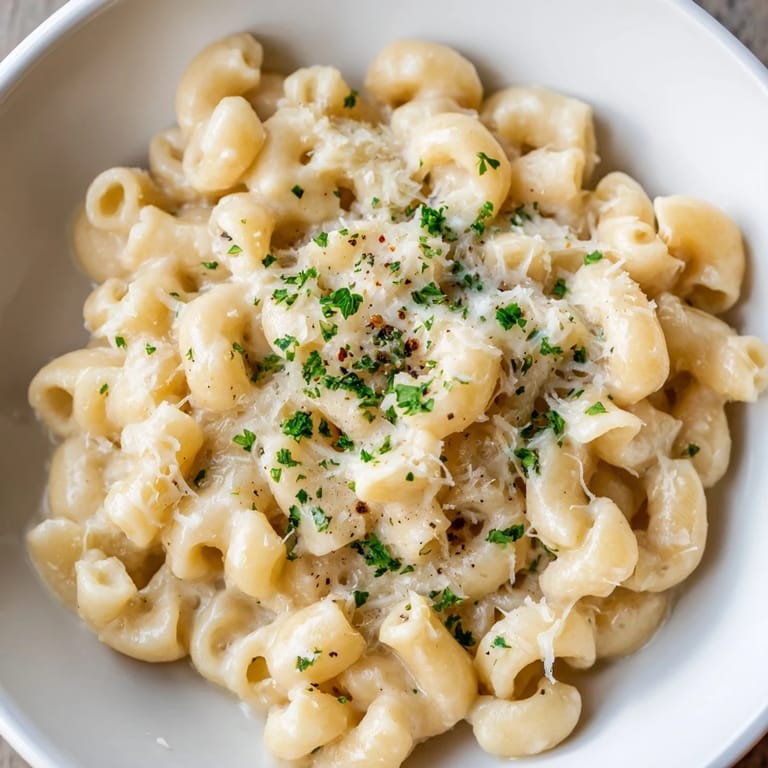
Save There's something about the smell of garlic hitting hot oil that makes you feel like you're cooking something special, even when it's just a weeknight dinner. I fell in love with this creamy ditalini pasta on a chilly Tuesday when I had nothing but basics in my pantry and needed something that felt indulgent without the heaviness of a traditional cream sauce. The half-and-half keeps it rich but honest, and somehow the garlic becomes the whole story—mellow, golden, woven through every small tube of pasta.
I made this for friends who showed up unannounced on a Friday night, and watching them eat in near-silent appreciation made me realize how a simple dish, made with actual attention, can matter more than anything fancy. One friend asked for the recipe before finishing her bowl, which felt like the highest compliment I could get.
Ingredients
- Ditalini pasta (300 g): These small tubes hold the sauce like little pockets of flavor—don't skip cooking them al dente or they'll turn to mush in the creamy mixture.
- Olive oil (1 tablespoon): Good quality matters here since it's one of just a few fat sources; it carries the garlic beautifully.
- Garlic (4 cloves, minced): Mince it yourself and don't be timid—this is where all the personality comes from, and fresh garlic makes a noticeable difference.
- All-purpose flour (2 tablespoons): Your thickener and the base of a quick roux that keeps the sauce silky instead of greasy.
- Half-and-half (480 ml): The secret weapon that gives you richness without heaviness; it's lighter than cream but more luxurious than milk.
- Vegetable broth (60 ml): Keeps the sauce from feeling one-dimensional and adds a whisper of savory depth.
- Parmesan cheese (40 g): Sharp, salty, essential—grate it fresh if you can because pre-grated versions sometimes feel waxy.
- Salt and black pepper: Taste as you go because these small seasoning adjustments matter more than you'd think.
- Red pepper flakes (pinch, optional): A tiny heat note that sneaks up on you in the best way.
- Fresh parsley (2 tablespoons): Adds brightness and a little green color that makes the whole dish feel less monotone.
Tired of Takeout? 🥡
Get 10 meals you can make faster than delivery arrives. Seriously.
One email. No spam. Unsubscribe anytime.
Instructions
- Boil the pasta:
- Get your water salted and rolling before you do anything else so it's ready when you are. Cook the ditalini until it's just tender but still has a slight bite, then scoop out 1/2 cup of that starchy water before draining—you'll thank yourself later when you need to loosen the sauce.
- Make the garlic base:
- Pour oil into a skillet and let it shimmer gently before adding your garlic, stirring constantly so it goes golden and fragrant but never brown or bitter. You're looking for about a minute of peace before the next step.
- Build the roux:
- Sprinkle flour over the garlic and keep stirring for just one full minute to cook out that raw flour taste and create a paste that will thicken your sauce smoothly. Don't skip this step or your sauce will taste dull.
- Add the liquid slowly:
- This is where patience pays off—whisk in the half-and-half and broth gradually, making sure everything stays smooth and silky rather than lumpy. Watch it thicken as it warms, about three to four minutes of gentle whisking.
- Season and finish the sauce:
- Stir in the Parmesan, salt, pepper, and a pinch of red pepper flakes if you want a subtle heat, then let everything meld together for a couple of minutes over low heat. Taste and adjust—this is your moment to make it exactly right.
- Bring it all together:
- Toss the hot pasta into the sauce and coat every piece, adding reserved pasta water if it feels too thick and starchy. The consistency should be creamy but not swimming.
- Serve with garnish:
- A scatter of fresh parsley and extra Parmesan over the top adds a final brightness and makes it look like you actually know what you're doing.
 Save
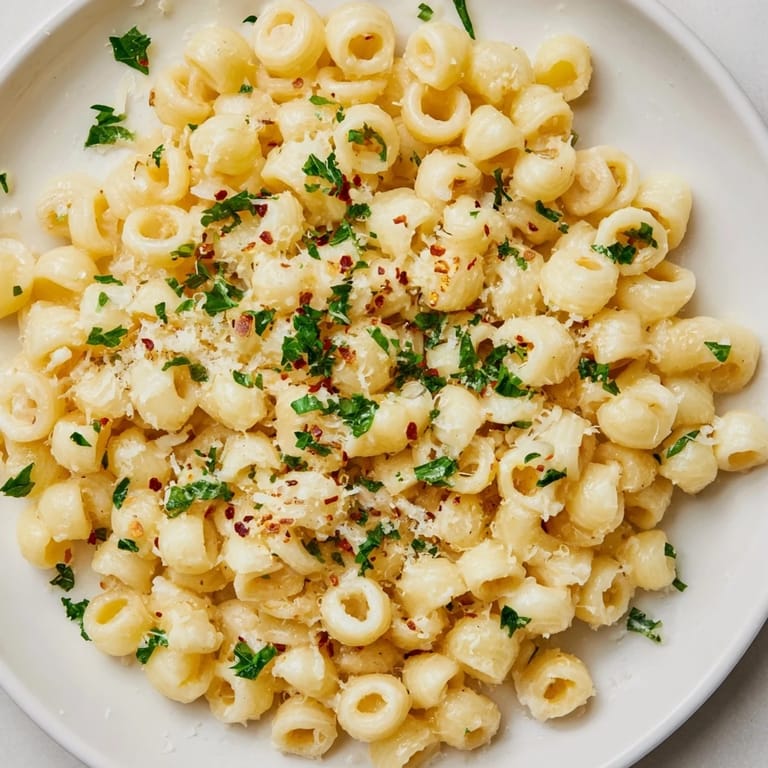
Save This dish became something I make when I want to feel taken care of, which is maybe the whole point of cooking for yourself in the first place. It's honest food that doesn't pretend to be something it's not, and somehow that simplicity is exactly what makes it so satisfying.
Why This Works as a Weeknight Dinner
The genius of this recipe is that it doesn't demand much of you beyond attention and decent ingredients. Nothing needs to simmer for hours, nothing requires complicated techniques, and you can have it on the table before your hunger turns into desperation. It's the kind of dish that reminds you that good food doesn't have to be complicated—sometimes it just needs to be made with care.
The Cream Sauce Without the Guilt
I used to avoid cream sauces because they felt indulgent in a way that left me feeling weighed down for the rest of the evening. Using half-and-half instead of heavy cream was my solution, and it turned out to be the difference between a dish that feels luxurious and one that feels heavy. You get all the richness of a cream sauce without that uncomfortable fullness, which somehow makes it taste even better because you're not battling your own digestive system while you eat.
Small Tweaks That Make a Real Difference
What I love most about cooking is discovering that the tiniest changes shift everything—a little vegetable broth instead of using only cream, a proper minute of roux-making instead of rushing, fresh garlic instead of jarred. These aren't fancy techniques or expensive ingredients, just small moments of intention that compound into a dish that tastes like you actually care.
- If you want extra protein, stir in some roasted chicken or sautéed mushrooms without changing the sauce ratio.
- Whole wheat ditalini works beautifully if you want added fiber and don't mind a slightly nuttier flavor.
- Serve it alongside a crisp salad and a cold glass of wine to complete the moment.
 Save
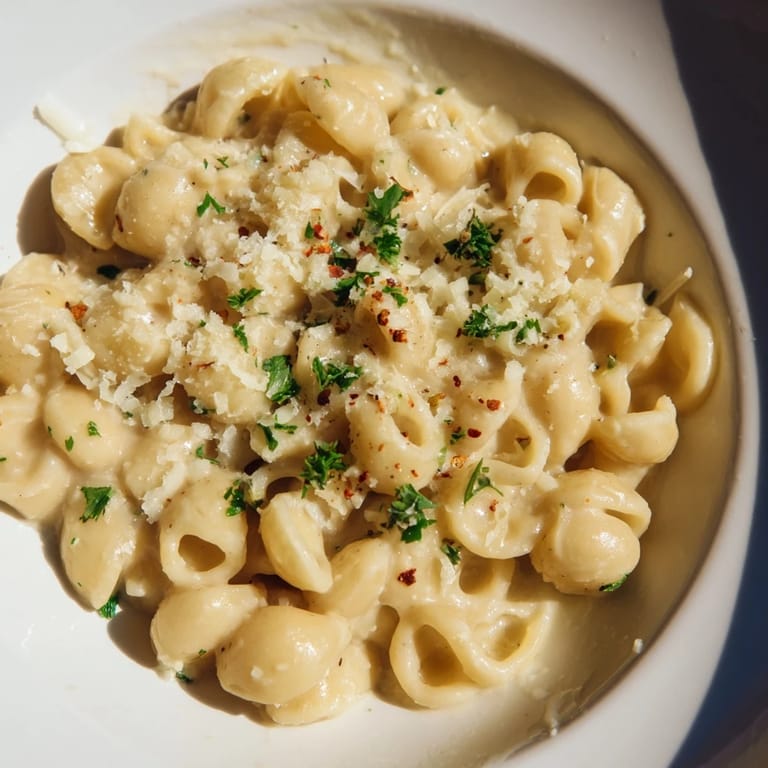
Save This is the kind of recipe that lives in your back pocket, ready whenever you need something that feels both comforting and achievable. Make it often enough and it becomes muscle memory, which is when cooking stops feeling like a task and starts feeling like home.