 Save
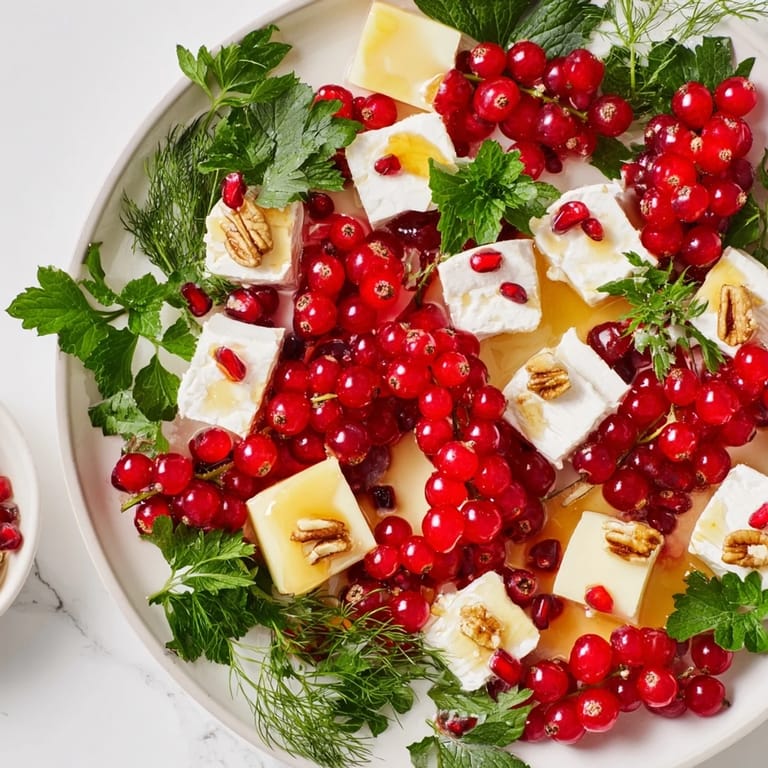
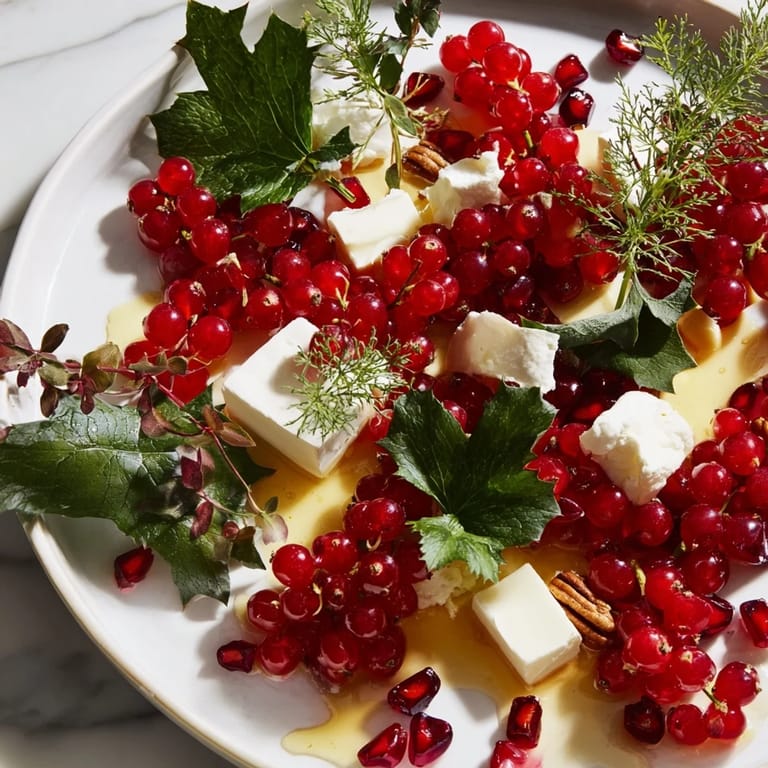
Save I'll never forget the first time I arranged this Holly Berry Cluster for a holiday dinner party at my aunt's house. I was searching for something that looked restaurant-worthy but didn't require baking, and I remembered how stunning fresh berries look when clustered together. As I nestled those vibrant red currants and pomegranate seeds among sprigs of parsley, it dawned on me—this wasn't just an appetizer, it was edible decoration. By the time the first guest arrived, the whole platter gleamed like a jeweled centerpiece on the table, and I realized I'd created something people would photograph before eating.
I remember arranging this for my best friend's baby shower when we were both stressed and short on time. She took one look at the platter and teared up—not because of anything I'd said, but because it felt celebratory and personal. That's when I understood that the real magic of this dish isn't the ingredients themselves, it's how they transform a gathering into something that feels intentional and special.
Ingredients
- Fresh red currants or cranberries (1 cup): These little jewels are the backbone of your holly effect. Currants stay fresher longer than many berries and won't stain your fingers quite as badly as blackberries would. If currants aren't available, fresh lingonberries or even halved strawberries work beautifully.
- Pomegranate arils (1 cup): The real stars here. Their jewel-like appearance and slight tartness cut through the richness of the cheese. I learned the hard way to remove the white pith completely, as it adds bitterness. Wear an apron—those rubies are stainers.
- Red grapes, halved (1/2 cup): These provide visual continuity and a subtle sweetness. Halving them makes them less likely to roll across the platter like little escaped marbles.
- Goat cheese, shaped into small rounds (200 g): The tanginess here is essential—it keeps the platter from becoming one-note sweet. A small ice cream scoop works perfectly for creating uniform rounds. Chill them for fifteen minutes before arranging so they hold their shape.
- Brie, cut into cubes (100 g): This is your butter-soft luxury element. Cut it slightly larger than the cheddar so it catches the eye, and work quickly so your hands don't warm it too much.
- Aged cheddar, cut into cubes (100 g): The sharp bite here anchors everything. The drier texture of aged cheddar means it won't get greasy under platter lights like milder cheese might.
- Assorted crackers (1 cup): Choose a mix of shapes and colors if you can. I prefer roughly half bland base crackers and half flavored ones—the contrast keeps people reaching.
- Baguette slices (1/2 baguette, optional): Toast these lightly if your crowd prefers them warm. Otherwise, the slight staleness of day-old baguette actually works in your favor—it won't get soggy as quickly.
- Fresh flat-leaf parsley (1 large bunch): This is your anchor green. Don't use curly parsley—it photographs worse and bruises if you handle it too much while arranging.
- Fresh mint (1 small bunch): The color contrast here is subtle but important. Mint stays perky longer than most herbs and smells incredible as guests lean in to serve themselves.
- Fresh rosemary (1 small bunch): A tiny bit goes a long way. The woody stems are actually helpful for creating structure on the platter. Use smaller sprigs unless you're going for drama.
- Toasted pecans or walnuts (1/4 cup): Toast these yourself if you have time—store-bought toasted nuts sometimes taste slightly stale. The crunch provides contrast, and the nutty warmth balances the bright tartness of the berries.
- Honey (2 tbsp, for drizzling): A light drizzle over the cheese rounds brings everything together visually and adds a finish that feels intentional. Use raw honey if you love that complex flavor.
Tired of Takeout? 🥡
Get 10 meals you can make faster than delivery arrives. Seriously.
One email. No spam. Unsubscribe anytime.
Instructions
- Prepare your berries and herbs:
- Pat everything dry with paper towels—any lingering moisture will make berries slip around and cause herbs to wilt. I spread mine out on the counter for a few minutes before starting. This small act makes arranging so much smoother.
- Start with your berry foundation:
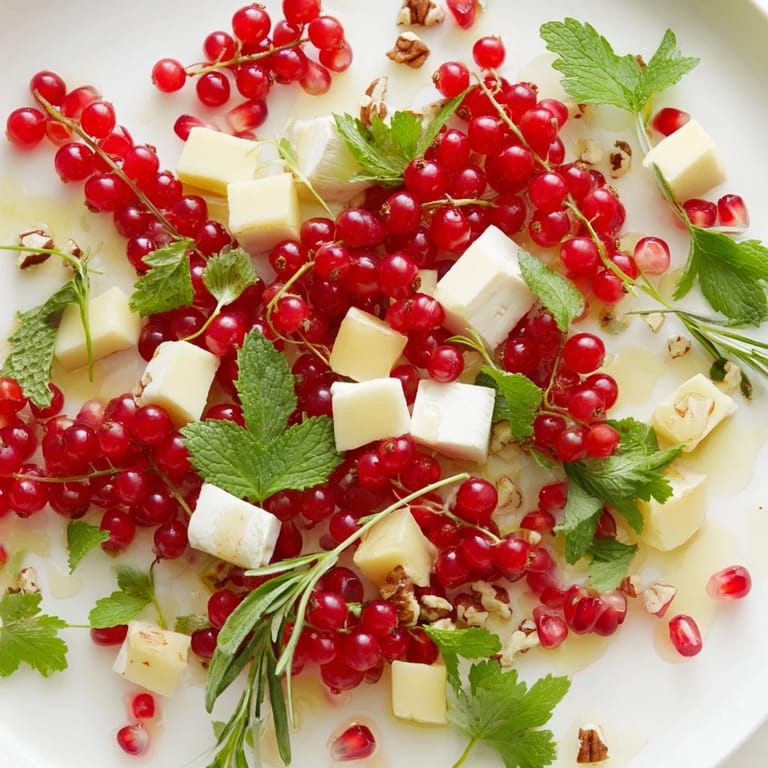
- On your largest, most beautiful serving platter, begin creating clusters of berries in tight groupings. Think of how holly berries cluster in nature—organic, uneven, almost haphazard. Leave strategic gaps where you'll tuck cheese and herbs. Stand back after each cluster and look at the overall balance of color and space.
- Nestle in your cheeses:
- Work the goat cheese, brie, and cheddar cubes into the spaces between berry clusters. This is where you're creating architecture. The cheeses should look intentional but not rigidly placed. I like to create little triangles of three different cheeses that naturally draw the eye across the platter.
- Tuck in the greenery:
- Now arrange your herb sprigs to create what looks like holly leaves framing the berries. The parsley should form the body, with mint and rosemary peeking through for color and interest. Think of them as supporting actors to the berries' leading role. This part is where you can really make the platter sing—there's no wrong way to do it.
- Fill your gaps with crackers and bread:
- Scatter crackers and baguette slices into any remaining open spaces. These shouldn't look dumped—arrange them in little fanned groups or lean them gently against the cheese. The arrangement matters as much as the food itself.
- The final flourish:
- Scatter toasted nuts across the platter, letting some settle in the berry clusters for visual interest. Then, with a light hand, drizzle honey over the cheese rounds. Step back and look at your work. Does it balance? Does the color flow? Adjust any herbs or berries that catch your eye.
- Bring to the table with confidence:
- Serve immediately, though this platter holds beautifully for a couple of hours if kept cool. The first guest to approach it will be struck by how lovely it is. That moment of recognition makes all the arranging worthwhile.
 Save
Save I made this for a work holiday party where I barely knew most of the guests, and it became the moment everyone gathered around. People who'd walked past the appetizer table without interest suddenly crowded around to try something. As they picked through it, conversations started—about their favorite cheeses, where they'd had pomegranate last, whether they preferred mint or parsley. The platter became a conversation starter, and I realized that's what made it truly special.
The Art of Platter Arrangement
What I've learned over years of making this is that platter arrangement is genuinely an art form. The color theory matters—the bright red berries need the green herbs to sing properly. The texture contrast keeps it visually interesting. The varying heights, from flat crackers to clustered berries to upright herb sprigs, create dimension that photographs beautifully from every angle. When you arrange with this in mind, you're not just assembling food, you're creating an experience that starts with the eyes.
Why This Works for Any Occasion
This platter isn't just for holidays, though it shines at them. I've made versions for casual dinner parties, for bringing to friends' houses, for celebrations that didn't even have a specific theme. The beauty is that it adapts. Using different cheeses, swapping in blackberries or blueberries when berries change seasonally, adjusting the proportions based on how many people you're serving—it all works because the concept is sound. Fresh, beautiful, require zero cooking skill beyond knowing how to cut cheese, and looking far more impressive than the effort required.
Making It Your Own
Some of my favorite variations have come from happy accidents and generous suggestions. A friend brought edible flowers to a dinner where I'd made this, and the purple pansies completely transformed the palette. Another time, I added fresh raspberries that added a deeper wine tone to the cluster. You could add a small bowl of fig jam for dipping, or scatter pomegranate molasses over everything for extra depth. The foundation is strong enough to support your creativity.
- For a vegan version, plant-based cheeses have come a long way and will work beautifully—just give them an hour to come to room temperature so they're creamy, not stiff
- If nuts are an allergen concern at your gathering, toasted seeds like sunflower or pumpkin seeds provide the same textural contrast without the risk
- Make a smaller version in a small wooden board for an intimate dinner, or go massive on a three-tiered platter for a big gathering—the principle scales perfectly
 Save
Save Every time I make this, I'm reminded that the best entertaining isn't about complicated recipes or hours in the kitchen—it's about creating something beautiful that brings people together. This platter does exactly that.
Recipe FAQ
- → What berries work best for this platter?
Fresh red currants or cranberries, pomegranate arils, and halved red grapes create the ideal vibrant color and texture for the clusters.
- → Can I make this platter vegan-friendly?
Yes, substitute the goat cheese, brie, and cheddar with plant-based cheese alternatives to suit a vegan diet.
- → How do the herbs enhance the presentation?
Parsley, mint, and rosemary sprigs replicate holly greenery, adding freshness and visual appeal to the arrangement.
- → Are there any nuts included in the platter?
Toasted pecans or walnuts are sprinkled on top, providing crunch and a complementary nutty flavor.
- → What are good beverage pairings for this platter?
A crisp white wine or sparkling beverage pairs wonderfully, balancing the rich cheeses and fresh berries.
- → Is any cooking required to prepare this platter?
No cooking is needed; simply arrange the fresh ingredients on a platter according to the suggested steps.