 Save
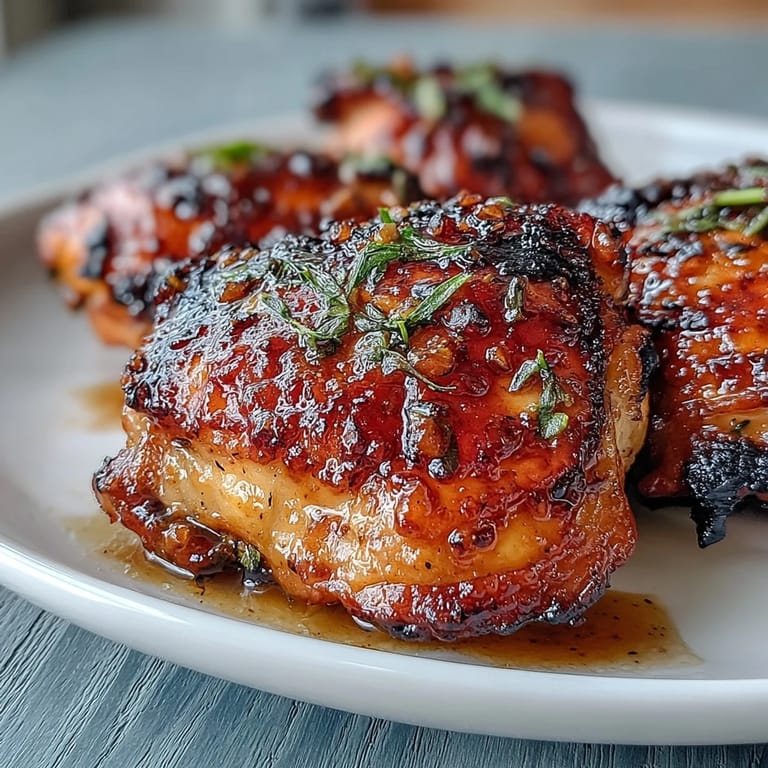
Save One weeknight, my kitchen smelled like chaos—I'd promised dinner for four but had exactly one pan and thirty minutes before everyone arrived hungry. That's when I threw chicken thighs on a sheet, tossed some carrots and potatoes alongside them, and whisked together a quick honey mustard glaze that somehow turned everything golden and glossy. The oven did the heavy lifting while I set the table, and when we gathered around, nobody asked what was for dinner—they just started eating. That's when I knew this recipe had become my secret weapon for feeding people without the fuss.
I made this for my sister's family during a visit, and her four-year-old asked for seconds—then thirds—of the carrots, which felt like winning the lottery as a cook. My brother-in-law, who's usually quiet about food, kept sneaking glazed potato pieces while we talked. Those small moments reminded me that the best meals aren't complicated; they're just honest food made with actual care, even when you're working with minimal effort.
Ingredients
- Bone-in, skin-on chicken thighs (4): Thighs have more fat than breasts, which means they stay tender and flavorful even if you accidentally overcook them slightly—honestly, the best insurance policy for sheet pan dinners.
- Dijon mustard (3 tbsp): This is your flavor foundation; the tanginess cuts through richness and keeps everything from tasting heavy.
- Whole grain mustard (2 tbsp): Those little seeds add texture and a slightly milder, earthier mustard note that balances the sharpness of Dijon.
- Honey (3 tbsp): It caramelizes in the heat, creating a glossy glaze and a subtle sweetness that nobody can quite put their finger on—they'll just know it's delicious.
- Apple cider vinegar (1 tbsp): This brightens everything up and prevents the glaze from feeling one-note or cloying.
- Garlic (2 cloves, minced): Fresh garlic adds savory depth; jarred garlic works in a pinch, but fresh is worth the thirty seconds of effort.
- Dried thyme (1 tsp): If you have fresh thyme, use a tablespoon—the flavor is cleaner and more herbal, and it looks prettier too.
- Large carrots (4), cut into 2-inch sticks: Larger pieces won't shrivel into nothing; they'll actually taste like carrots, not carrot ghosts.
- Baby potatoes (500 g), halved: Halving them helps them cook through in the same timeframe as the chicken while keeping their edges crispy.
- Red onion (1 small), cut into wedges: Red onion turns slightly sweet and jammy when roasted, adding another layer of flavor that sneaks up on you.
- Olive oil (2 tbsp): This helps the chicken skin crisp and the vegetables develop those caramelized edges you're after.
- Salt and pepper: Don't skip seasoning the chicken directly—it goes deeper than seasoning after cooking.
Tired of Takeout? 🥡
Get 10 meals you can make faster than delivery arrives. Seriously.
One email. No spam. Unsubscribe anytime.
Instructions
- Heat your oven and prep your pan:
- Set it to 220°C (425°F) and line your sheet pan with parchment paper—trust me, cleanup matters when you're tired. You want the oven properly hot so everything starts roasting immediately when it goes in.
- Whisk your glaze:
- Combine both mustards, honey, apple cider vinegar, minced garlic, and thyme in a small bowl, whisking until it's smooth and emulsified. This only takes about a minute, and you can do it while other things are happening.
- Dry and season the chicken:
- Pat the chicken thighs completely dry with paper towels—this is the step people skip and then wonder why their skin isn't crispy. Rub each piece with olive oil, salt, and pepper, making sure every surface gets touched.
- Arrange everything on the pan:
- Spread chicken thighs skin-side up with carrots, potatoes, and red onion around them in a single layer. Don't cram them together or steam will trap moisture and ruin your crispiness goals.
- Apply the glaze:
- Brush half the glaze directly onto each chicken thigh, then drizzle the rest over the vegetables and toss them gently to coat. The vegetables will caramelize differently than the chicken, which creates complexity in every bite.
- Roast with a midway turn:
- Put it in the oven for 35–40 minutes, stirring the vegetables halfway through so they brown evenly. The chicken is done when it reaches 74°C (165°F) internally and the skin is deep golden and crispy.
- Rest and finish:
- Let the chicken rest for five minutes after removing from the oven—it keeps the meat juicy instead of drying out immediately. Scatter fresh parsley over everything if you have it, then serve while it's still hot.
 Save
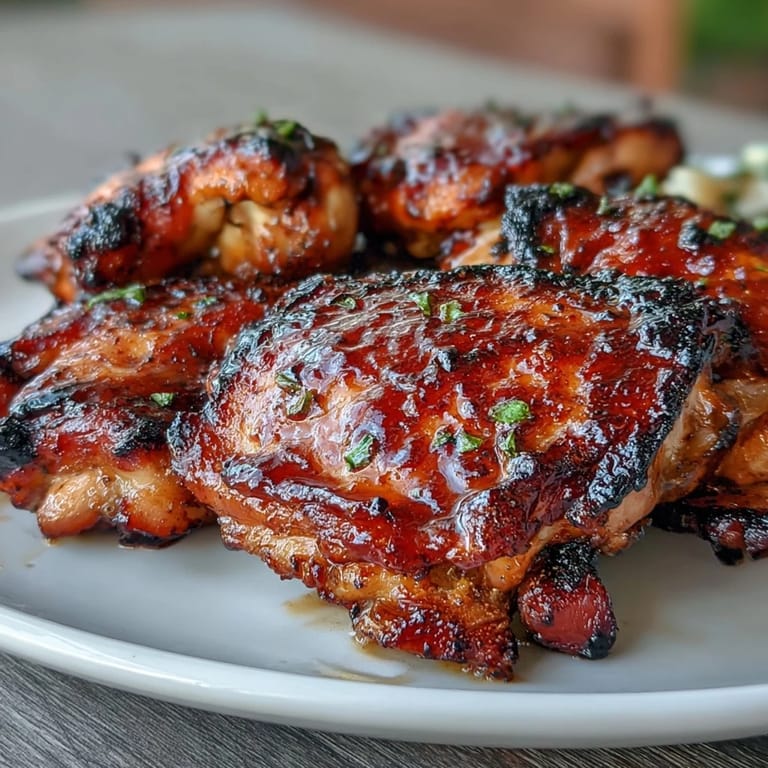
Save There's something about watching a sheet pan come together that feels almost meditative—raw vegetables and chicken transforming into something golden and whole without any hovering or stirring required. That's the real magic of this dinner; it gives you back your evening.
Why Sheet Pan Cooking Became My Default
Sheet pan dinners entered my rotation during a particularly hectic season when I realized I was ordering takeout more than cooking, and my budget—and waistline—were protesting. The revelation that I could throw ingredients on one pan, set a timer, and actually step away freed something up in my brain. Now I reach for this method almost instinctively when I want real food without real fuss, and I've never regretted it once.
The Secret to Perfectly Roasted Vegetables
I used to cut everything the same size and still end up with some pieces charred while others were barely cooked. Then I realized that density matters—carrots and potatoes need bigger pieces and the vegetables benefit from being stirred halfway through while the chicken stays undisturbed. Halving the potatoes instead of leaving them whole and cutting carrots into 2-inch sticks creates a happy balance where everything finishes golden and tender at roughly the same moment.
Variations and Flexibility
This recipe has become my template more than my rule, and I've thrown different things at it depending on what's in my crisper drawer or what I'm craving. The honey mustard glaze works with basically any roasted vegetable combination, and I've subbed sweet potatoes for regular ones, parsnips for carrots, and even Brussels sprouts when I was feeling fancy. If you prefer chicken breasts, they'll work too—just reduce the roasting time by 5–7 minutes since they're thinner and will dry out faster than thighs.
- Sauvignon Blanc pairs beautifully alongside this, bringing crispness that complements the sweet-tangy glaze.
- Leftovers shred into salads beautifully or transform into sandwiches the next day, making this dinner do double duty.
- You can assemble everything the night before and refrigerate it, then just pop it in the oven when you're ready to eat.
 Save
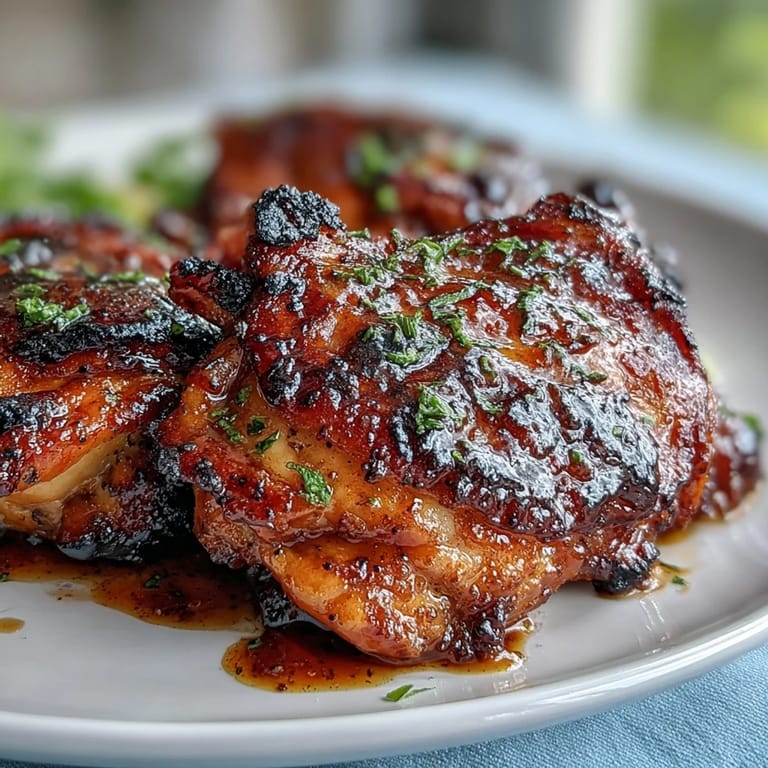
Save This recipe reminds me that good cooking isn't about complexity—it's about respecting your ingredients and trusting that simple combinations, given time and heat, become something worth gathering around. Build this dinner on a night when you need things to be easy, and watch how it quietly becomes a regular part of your routine.
Recipe FAQ
- → How do I ensure the chicken stays juicy?
Pat the chicken dry before seasoning and apply the glaze evenly. Roasting at a high temperature helps seal in the juices, and resting the chicken for a few minutes after cooking retains moisture.
- → Can I use other vegetables with this dish?
Yes, parsnips or sweet potatoes work well as substitutes for carrots, adding different textures and sweetness levels to the dish.
- → What internal temperature should the chicken reach?
Cook chicken thighs until they reach an internal temperature of 74°C (165°F) to ensure they are safely cooked and tender.
- → Is it possible to use chicken breasts instead of thighs?
Yes, you can substitute chicken breasts; reduce the cooking time by about 5 to 7 minutes to prevent drying out.
- → How is the honey mustard glaze prepared?
Whisk together Dijon mustard, whole grain mustard, honey, apple cider vinegar, minced garlic, and thyme for a flavorful glaze that complements both chicken and vegetables.