 Save
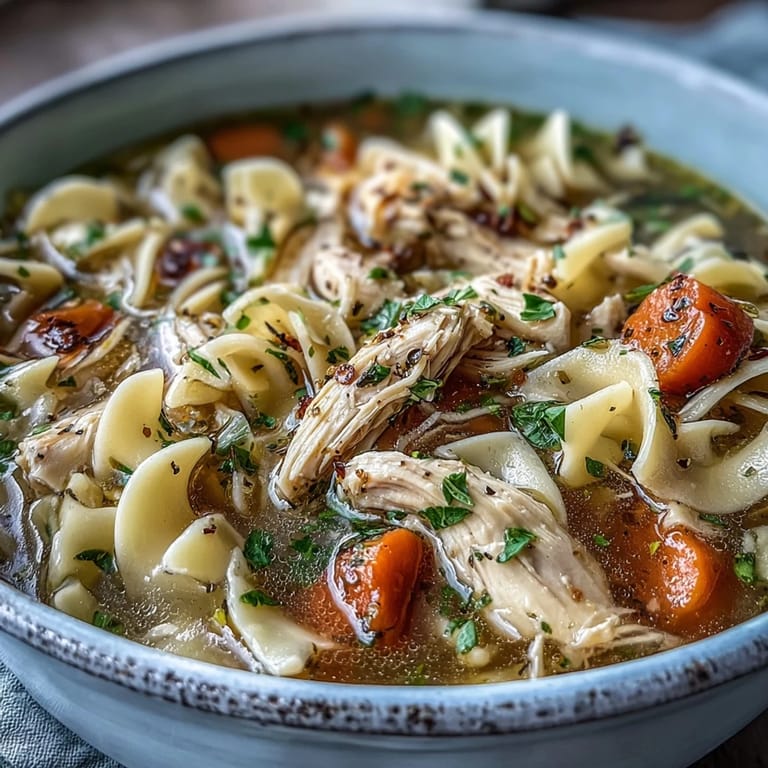
Save There's something about the sound of the Instant Pot's valve clicking into place that signals relief on a busy weeknight. My kitchen was chaos one Tuesday—work calls bleeding into dinner prep, kids asking what's for supper—and this soup saved me because it asked almost nothing in return. Ten minutes of chopping, a button press, and steam does the heavy lifting while you breathe for a moment. That's when I realized this wasn't just convenient; it was honest comfort that didn't pretend to be fancy.
My neighbor stopped by with her daughter right as I was lifting the lid, and the steam hit her face like a warm welcome. She took one spoonful and asked for the recipe immediately—not the polite kind of asking, but the genuine kind where you know someone's already planning to make it tomorrow. Watching her daughter ask for seconds while barely coming up for air told me everything about whether this soup works.
Ingredients
- Boneless, skinless chicken breasts or thighs (1 lb): Breasts cook faster and shred cleaner, but thighs stay moister if you're worried about drying things out—pick whichever you trust more.
- Medium onion, diced (1): This is your flavor foundation, so don't skip the sautéing step even though you're tempted to.
- Medium carrots, peeled and sliced (3): They soften perfectly under pressure and add natural sweetness that balances the salt.
- Celery stalks, sliced (3): The holy trinity wouldn't be complete without this; it whispers in the background but you'd miss it if it was gone.
- Garlic cloves, minced (3): This 30 seconds of cooking before pressure sealing makes the whole pot smell like someone who knows what they're doing.
- Low-sodium chicken broth (8 cups): The base of everything—I learned the hard way that low-sodium matters here because the pressure concentrates flavors and salt can overtake you.
- Dried thyme and parsley (1 tsp each): Dried herbs hold their ground under pressure better than fresh ones would.
- Bay leaf (1): One leaf, not more, unless you want the soup tasting like a forest floor.
- Black pepper and salt (1/2 tsp and 1 tsp): Taste before you finish—the chicken releases its own salt as it cooks.
- Egg noodles (6 oz): Add them late so they stay with a little texture instead of turning to mush.
- Fresh parsley, chopped (2 tbsp optional): A sprinkle at the end wakes the whole bowl up.
- Olive oil (1 tbsp): Just enough to get the vegetables golden without making the soup greasy.
Tired of Takeout? 🥡
Get 10 meals you can make faster than delivery arrives. Seriously.
One email. No spam. Unsubscribe anytime.
Instructions
- Heat and sauté the vegetables:
- Turn on Sauté mode, let the pot warm for a minute, then add oil and the onion, carrots, and celery. You're looking for that moment when everything smells sweet and the edges start to turn golden—about 3 to 4 minutes. The vegetables shouldn't be soft yet; you're just waking them up.
- Add garlic and build flavor:
- Toss in the minced garlic and stir constantly for about 30 seconds until your nose confirms it's there. If you let it go longer, it turns bitter, so keep moving.
- Layer in the chicken:
- Place the chicken breasts or thighs directly on top of the vegetables in a single layer. Don't stir them in; let them sit on the bed you've created so they cook evenly.
- Pour in broth and season:
- Add all 8 cups of chicken broth, then sprinkle in the thyme, parsley, bay leaf, pepper, and salt. Give it a gentle stir—nothing dramatic—just enough to distribute the seasonings.
- Seal and pressure cook:
- Lock the lid tight, make sure the valve is set to Sealing, and set the Instant Pot to cook on High Pressure for exactly 10 minutes. The pot will take a few minutes to build pressure, but that's part of the process.
- Release pressure safely:
- When the timer beeps, let the pressure drop naturally for 5 minutes—this keeps the chicken from seizing up. Then carefully move the valve to Venting to release whatever pressure is left.
- Shred the chicken:
- Carefully remove the cooked chicken to a plate and use two forks to pull it apart into tender shreds. The meat should fall apart without resistance if it's cooked right.
- Cook the noodles:
- Switch back to Sauté mode, add the egg noodles directly to the pot, and let them simmer for 5 to 6 minutes until they're tender but still have a little bite. Stir occasionally so they don't stick to the bottom.
- Combine and taste:
- Return the shredded chicken to the pot, stir everything together, and taste. Add more salt or pepper if the soup needs it—trust your palate here.
- Finish and serve:
- Fish out the bay leaf, ladle the soup into bowls, and add a pinch of fresh parsley on top if you have it. Serve while it's still steaming.
 Save
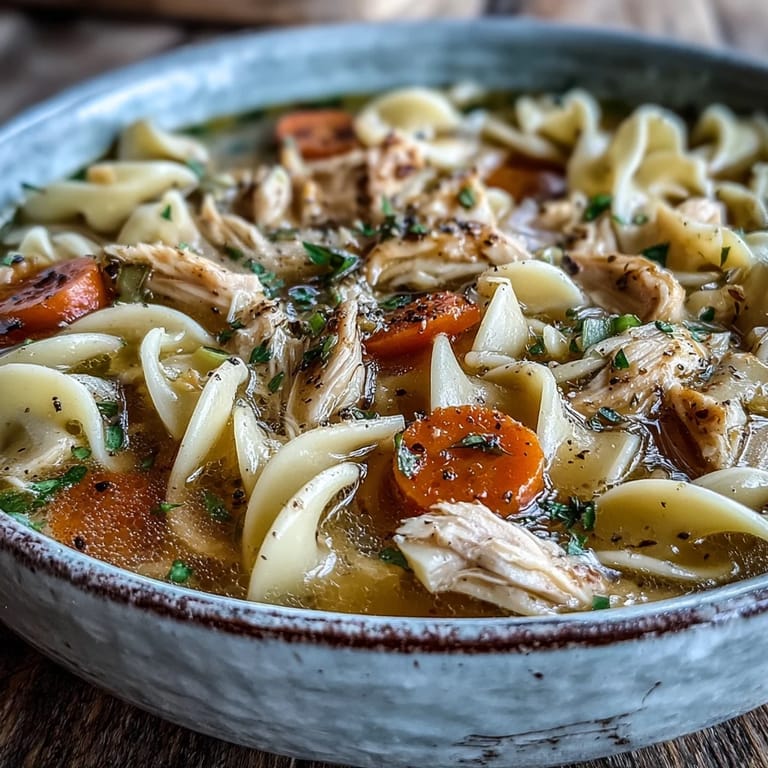
Save I made this soup on a rainy Sunday afternoon when my daughter was home sick, and watching her eat bowl after bowl without complaint—no negotiating, no picking—reminded me that sometimes the best food is the one that heals in the quietest way. Comfort doesn't need to be complicated to matter.
Why This Works in the Instant Pot
The pressure cooker does something magical here: it cooks the chicken and softens the vegetables in the same breath, meaning you're not standing there managing multiple pans or waiting forever. The broth becomes rich and concentrated instead of watery because everything happens fast and nothing has time to lose its essence. I used to make this on the stovetop, simmering for an hour, and honestly, the Instant Pot version tastes better because the flavors haven't had time to get tired.
Variations and Substitutions
If you're rushing, rotisserie chicken from the store works just as well—shred it and add it with the noodles instead of cooking raw chicken, saving you those 10 minutes of pressure cooking. For gluten-free dinners, swap the egg noodles for any gluten-free pasta your family prefers, and the soup stays just as satisfying. I've also added spinach or kale at the very end, right after the noodles are cooked, and it wilts in just from the heat of the broth.
Timing and Storage Tips
This soup comes together in 30 minutes total, which is the kind of math that makes weeknight cooking feel possible instead of like another chore. Leftovers keep in the refrigerator for three days and taste even better the next day because the flavors have had time to settle and get to know each other. If you're freezing it, leave the noodles a little firmer than you'd normally eat them, because they soften slightly more when reheated.
- Leftover soup reheats best on the stovetop over medium heat rather than the microwave, which can make the noodles tough.
- Add a splash of fresh broth when you reheat to bring back the soup's body if it's thickened too much in the fridge.
- Freeze portions in individual containers if you want grab-and-go meals that feel homemade on the hardest days.
 Save
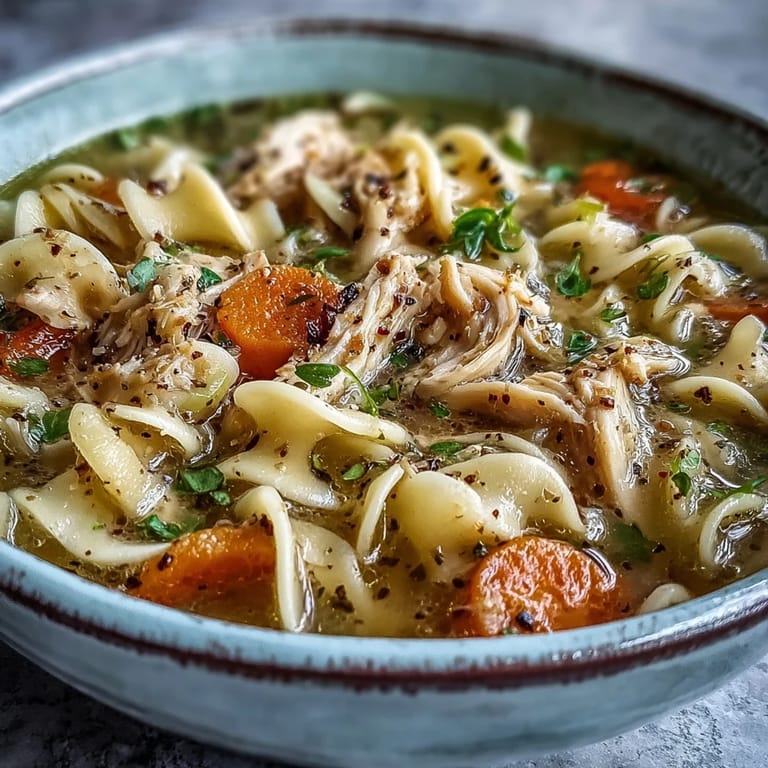
Save This soup proves that weeknight meals don't have to choose between fast and good—they can be both, and they can feel like something you actually wanted to make. Keep this recipe close because on days when everything feels like too much, 30 minutes in the kitchen can change the whole evening.
Recipe FAQ
- → Can I use frozen chicken breasts?
Yes, frozen chicken works perfectly. Add 2-3 minutes to the pressure cooking time. No need to thaw beforehand—the Instant Pot will cook through completely.
- → How do I store leftovers?
Cool completely and refrigerate in airtight containers for up to 4 days. The noodles will continue softening. For best texture, keep noodles separate and add when reheating.
- → Can I make this gluten-free?
Absolutely. Substitute traditional egg noodles with gluten-free alternatives like rice noodles, corn pasta, or certified gluten-free egg noodles. Adjust cooking time as needed based on package directions.
- → What's the difference between natural and quick release?
Natural release means letting pressure drop naturally (about 10-15 minutes). Quick release manually vents steam immediately. This method uses both: 5 minutes natural, then quick release for tender, juicy chicken.
- → Can I add other vegetables?
Certainly. Diced potatoes, green beans, or peas work well. Add heartier vegetables like potatoes with the carrots and celery. Quick-cooking vegetables like peas or spinach can go in during the last 2 minutes of noodle cooking time.
- → Why remove the chicken before adding noodles?
Removing chicken prevents overcooking while noodles simmer. Shredding separately ensures tender, bite-sized pieces that distribute evenly throughout the soup. Returning chicken at the end warms it through without drying out.