 Save
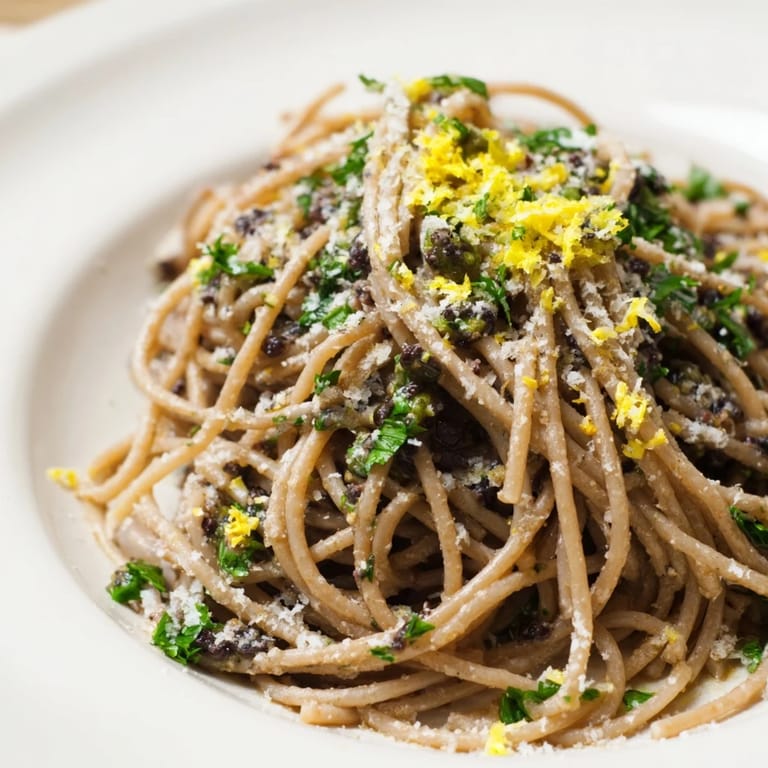
Save There's something about the smell of olives and capers hitting hot pasta that takes me straight to a little kitchen in Lisbon where a friend casually threw together whatever she had on hand. She didn't measure anything, just tasted and adjusted, and somehow that became the dish I've made countless times since. This olive tapenade pasta is that kind of recipe—vibrant, unfussy, and ready in less time than it takes to boil water.
I made this for my sister on a Sunday when she complained her pantry felt empty, and watching her taste it with just canned olives and dried spaghetti taught me that the simplest ingredients sometimes make the most memorable meals. She asked for the recipe immediately, which meant nothing at the time, but now it's become our go-to when we don't have much planned.
Ingredients
- Mixed pitted olives (1 cup): Use both Kalamata and green for depth—Kalamata brings earthiness while green ones keep things bright and slightly tangy.
- Capers (2 tablespoons, drained): These tiny brined buds are the secret weapon that makes everything taste intentional and sophisticated without any pretension.
- Garlic (2 cloves, peeled): Raw garlic in the tapenade stays punchy, so don't skip this or you'll lose the whole character of the dish.
- Fresh parsley (2 tablespoons, chopped): Adds a grassy freshness that keeps the dish from feeling too heavy despite all that oil.
- Fresh lemon juice (1 teaspoon): This tiny amount prevents the tapenade from tasting flat and reminds your palate you're eating something alive and bright.
- Extra-virgin olive oil (1/4 cup): Don't cheap out here—this is one of three ingredients doing the work, so use something you'd actually drizzle on bread.
- Freshly ground black pepper: A gentle finish that you'll adjust by taste at the very end.
- Dried spaghetti or linguine (12 oz): The wider linguine holds the tapenade better, but spaghetti has a charm of its own.
- Salt for pasta water (1 tablespoon): This is your only real seasoning for the pasta itself, so don't be shy.
- Reserved pasta cooking water (1/4 cup): This starchy liquid is what turns tapenade into a silky sauce, so keep it close.
Tired of Takeout? 🥡
Get 10 meals you can make faster than delivery arrives. Seriously.
One email. No spam. Unsubscribe anytime.
Instructions
- Get Your Water Ready:
- Fill a large pot with water, add a tablespoon of salt, and bring it to a rolling boil. You want it loud and steaming—that's your signal the pasta will cook properly. Add the pasta and stir once in the first few seconds so nothing sticks to itself.
- Cook Pasta to Al Dente:
- Follow package directions but taste about a minute before the suggested time. You want it to have a gentle bite when you chew it, not soft all the way through. Before draining, scoop out 1/4 cup of that starchy water and set it aside in a mug or small bowl.
- Build the Tapenade:
- While pasta cooks, combine olives, capers, garlic, parsley, and lemon juice in a food processor. Pulse a few times until everything is coarsely chopped—you want texture, not a smooth paste. With the processor running, slowly drizzle in the olive oil while listening to the sound change as it incorporates.
- Season to Taste:
- Grind black pepper directly over the tapenade and pulse once more to combine. Taste a tiny spoonful and adjust if it needs more salt (the olives and capers usually handle this) or a squeeze more lemon.
- Bring It Together:
- Return the drained pasta to the pot off heat and immediately add all the tapenade. Toss constantly, letting the heat from the pasta gently warm and coat every strand. If it feels dry, add reserved pasta water one splash at a time until it looks silky and clings to the pasta.
- Serve Right Away:
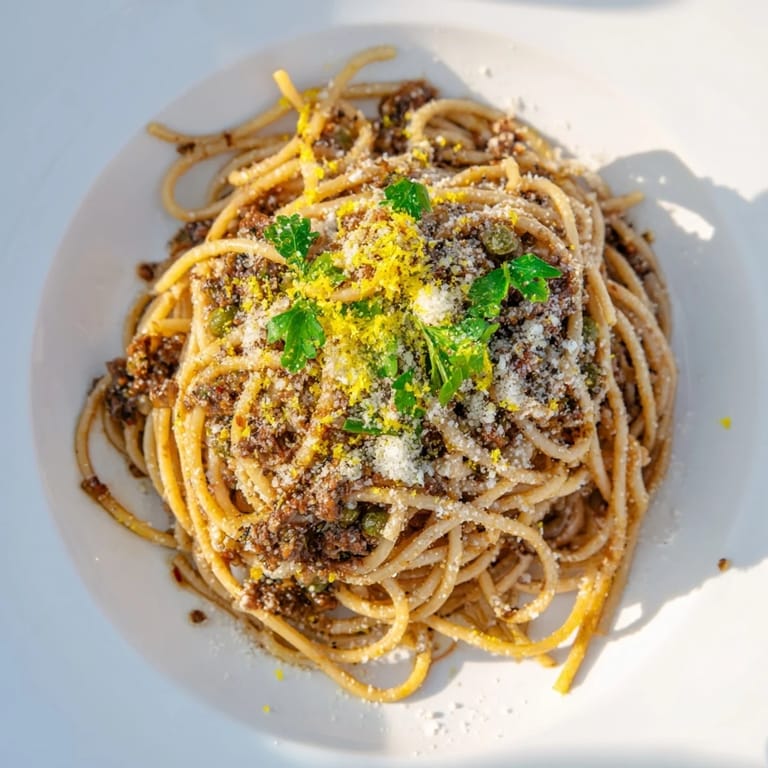
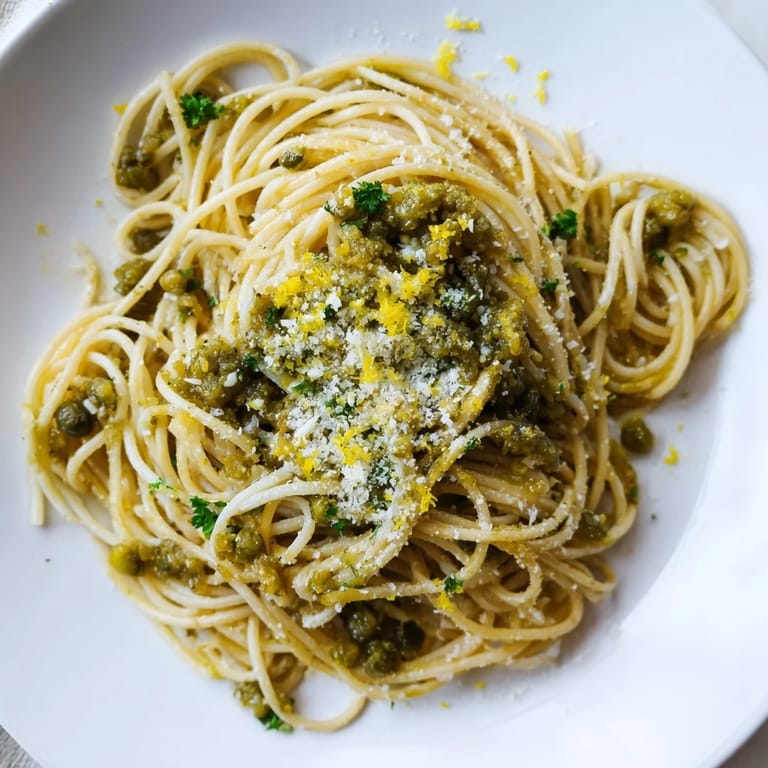
- Transfer to bowls or plates immediately while everything is still warm. Finish with a handful of fresh parsley, some lemon zest scraped over the top, and a light dusting of Parmesan if you like.
 Save
Save I remember standing in my kitchen on a Tuesday evening, completely out of ideas for dinner, when this pasta somehow turned an ordinary weeknight into something that felt like sitting at a table overlooking the Mediterranean. That's the magic of it—it doesn't ask for much, but what it delivers feels generous and alive.
Why This Works Without Cream
The absence of cream isn't a sacrifice here; it's the whole point. The tapenade's oil, combined with the starchy pasta water, creates a coating that's luxurious and clings to every strand without weight. You finish eating feeling energized rather than stuffed, which is exactly how Mediterranean cooking makes you feel. The simplicity also means every flavor stands out—you taste the olives, the capers, the garlic, the lemon—nothing gets muddled or hidden.
How to Make It Your Own
This recipe is forgiving in the best ways. Some days I add a pinch of red pepper flakes for warmth, or toss in sun-dried tomatoes if I'm feeling richer. Once I experimented with chopped anchovies and discovered they dissolve into the oil and add a savory depth that no one can quite name but everyone notices. You could use different pastas, add roasted red peppers, or throw in some white beans for protein. The tapenade base stays honest while you play around.
Timing and Shortcuts
The entire dish takes barely longer than boiling pasta because the tapenade comes together while water heats. If you're truly in a rush, make the tapenade while pasta cooks and finish everything in five minutes. You could even make the tapenade ahead of time—it keeps in the fridge for several days and tastes just as good cold tossed with warm pasta. Some nights I've prepped the tapenade in the morning and felt grateful for my past self when dinner time arrived.
- Use pre-pitted olives to save the messiest part of prep, or ask your deli counter if they pit them fresh.
- A blender works if you don't have a food processor, though you'll need to be gentler with pulsing.
- Whole wheat or gluten-free pasta work beautifully here and cook by the same method.
 Save
Save This pasta has become one of those recipes I reach for when I want to feel like I've traveled without leaving my kitchen. It's uncomplicated enough for a rushed Wednesday but flavorful enough to feel like a celebration.
Recipe FAQ
- → What olives are best for the tapenade?
Kalamata and green olives work best, offering a balanced, rich flavor that complements the capers and garlic.
- → How can I make the sauce creamier?
Adding reserved pasta cooking water while tossing the pasta with tapenade helps create a smooth, silky sauce consistency.
- → Can I adjust the saltiness of the dish?
Yes, since olives and capers are naturally salty, taste before adding extra salt and adjust accordingly.
- → What pasta shapes work well with tapenade?
Long strands like spaghetti or linguine are ideal because they hold the chunky tapenade sauce nicely.
- → How to add extra brightness to the dish?
Fresh lemon zest and juice in the tapenade and as garnish add vibrant acidity to balance the flavors.