 Save
Save There's something about autumn that makes me crave parsnip soup, though I didn't always appreciate it. Years ago, a friend served me a version at a dinner party, and I was skeptical—parsnips seemed too earthy, too mild. But one spoonful changed everything. The sweetness emerged first, then the creaminess, and I realized I'd been missing out on one of the most soothing soups to make on a quiet afternoon. Now it's become my go-to when the leaves start turning and I want something that feels like a warm hug.
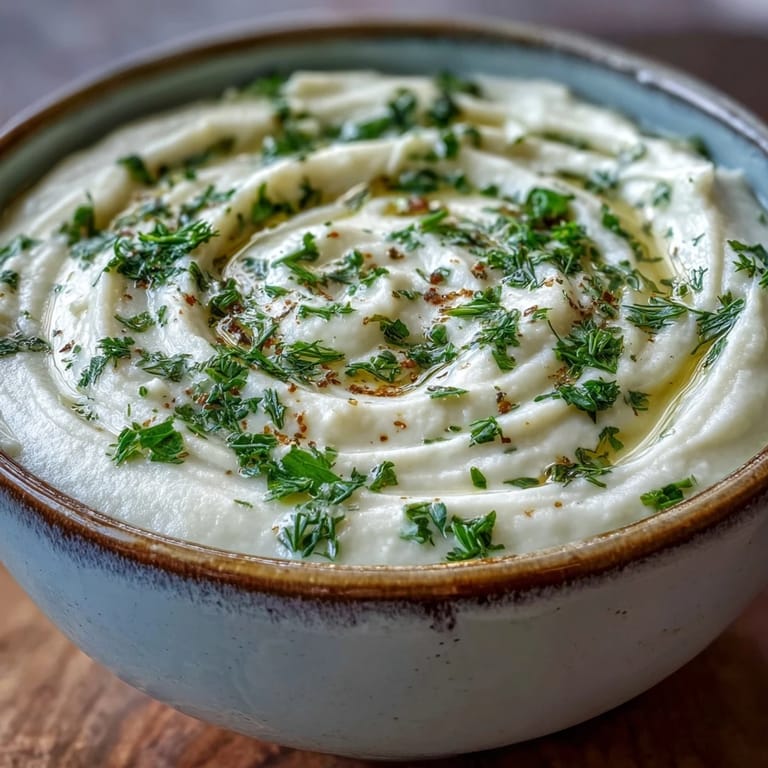
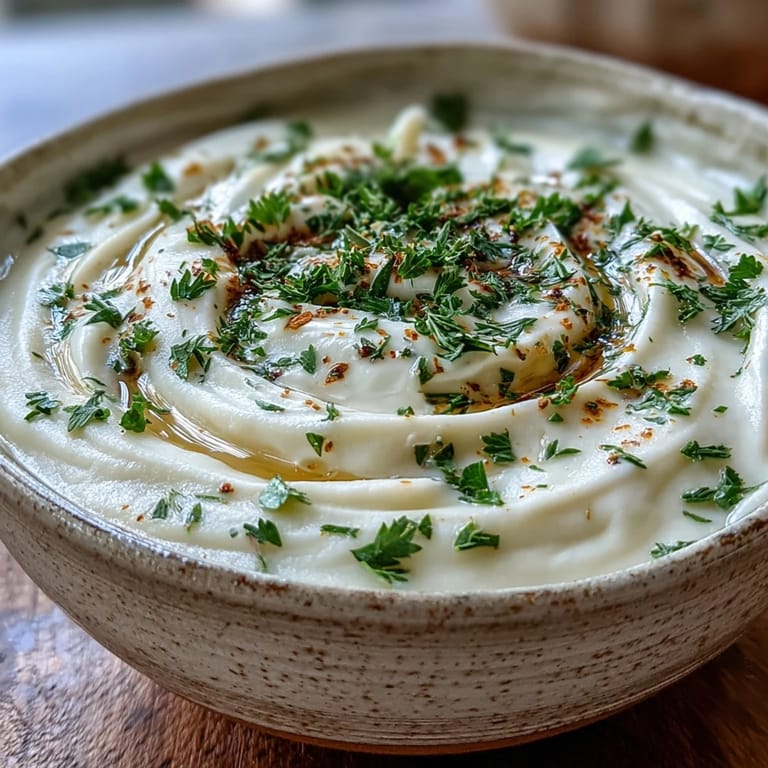
I made this soup for my mum when she was recovering from being under the weather, and she asked for seconds before I'd even sat down. There's real comfort in how the cream swirls into those fresh herbs on top, creating little pockets of flavor. She's been asking me to make it ever since, which tells me it's become more than just a recipe—it's turned into something we share together.
Ingredients
- Parsnips (800 g): The star of the show, sweet and buttery when roasted, so don't skip the oven step—it's what makes this soup special.
- Onion and garlic: Your flavor foundation, softened in the pan before the parsnips join to build a savory base.
- Potato (1 medium): Adds body and creaminess without dairy, so the soup feels luxurious even when kept light.
- Celery stalk: Just one brings subtle earthiness and depth that ties everything together.
- Olive oil (2 tbsp): Use good quality if you have it—a tablespoon goes on the parsnips for roasting, the rest for sautéing the base vegetables.
- Vegetable stock (1 L): Check the label if cooking gluten-free, and warm it slightly if you remember—it helps everything cook more evenly.
- Sea salt and black pepper: Season thoughtfully at the end, tasting as you go rather than all at once.
- Double cream or crème fraîche (100 ml, optional): Swirl it in for richness, or use coconut cream, oat cream, or skip it entirely if that suits you better.
- Fresh herbs (parsley, chives, dill, tarragon): Use whatever you have or love—these are your finishing flourish, so be generous with them.
Tired of Takeout? 🥡
Get 10 meals you can make faster than delivery arrives. Seriously.
One email. No spam. Unsubscribe anytime.
Instructions
- Roast the parsnips:
- Heat your oven to 200°C and toss the parsnip chunks with a tablespoon of olive oil and a pinch of salt on a baking tray. Turn them halfway through the 25–30 minutes of roasting until they're golden and tender at the edges—you'll smell the sweetness developing.
- Build the flavor base:
- While they roast, warm the remaining olive oil in a large saucepan over medium heat and soften the onion, garlic, celery, and potato for about 5–7 minutes, stirring occasionally so nothing colors. You want them yielding but still pale.
- Bring it together:
- Add the roasted parsnips to the pan, pour in the vegetable stock, and bring everything to a boil before turning the heat down to a gentle simmer for 10–15 minutes. The vegetables should be soft enough that a fork passes through without resistance.
- Blend until smooth:
- Remove from heat and use a stick blender right in the pan (or work in batches with a countertop blender if you prefer) until the soup is silky and completely smooth. This is where the magic happens—it transforms from a pot of vegetables into something creamy and elegant.
- Add the cream and season:
- Stir in the cream or crème fraîche if using, then taste and season with salt and pepper, adding a little at a time until it's just right. Reheat gently if the blending cooled it down.
- Finish with herbs:
- Ladle into bowls and crown each one with a generous handful of fresh herbs—the brightness is what lifts the whole dish and makes it feel special.
 Save
Save I remember standing in my kitchen on a cold November evening, with rain pattering against the window, and realizing this one pot of soup had somehow made the whole house feel warmer. That's when I understood why people come back to recipes like this one—it does more than fill you up.
Adapting This Soup to Your Pantry
The beauty of this recipe is its flexibility, which I've learned through happy accidents more than careful planning. Don't have double cream? Coconut milk, oat cream, or even a splash of good plant-based alternative works beautifully and sometimes tastes better. If you're out of some of the herbs, work with what you've got—parsley alone is honest and clean, chives add onion notes, dill brings a subtle brightness. I've even added a squeeze of lemon juice when the soup needed lifting, which brightened everything without making it taste different.
Serving and Storing
Serve this soup hot in bowls with something to push against—crusty bread for soaking, or toasted seeds for a little textural contrast if you're in the mood for something more. It keeps well in the fridge for three days and reheats gently on the stovetop without losing its silky character. I've even frozen it in portions, though I always add fresh herbs after reheating rather than freezing them in.
Why This Became a Regular
What struck me most about making this soup repeatedly is how it never feels routine—there's always room to taste and adjust, to try a different herb combination, to serve it to someone new and watch their face light up. It's gentle enough for someone under the weather, impressive enough to serve friends, and honest enough to make just for yourself on an evening when you want something nourishing and warm.
- Taste your soup before serving and adjust the seasoning—what tastes right on the stovetop might shift once it's in a bowl and cooling slightly.
- Make extra herbs your default; they're cheap, they keep the soup from tasting heavy, and generosity always improves the final bite.
- Keep the reheating gentle if serving the next day, warming it slowly so the cream doesn't separate and the vegetables don't break down further.
 Save
Save This soup reminds me that the best recipes are the ones that become part of your rhythm, the ones people ask you to make again. I hope this becomes one of those for you.
Recipe FAQ
- → Can I make this soup ahead of time?
Yes, this soup keeps well for up to 3 days in the refrigerator. Reheat gently over low heat, adding a splash of water or stock if it has thickened too much. The flavors often develop and improve overnight.
- → Is it necessary to roast the parsnips first?
Roasting the parsnips caramelizes their natural sugars, adding depth and sweetness that you wouldn't get from boiling alone. While you could skip this step for a quicker version, roasting creates a much more flavorful result.
- → Can I freeze this soup?
Yes, freeze this soup for up to 3 months. For best results, freeze before adding the cream. Thaw overnight in the refrigerator, reheat gently, and stir in the cream just before serving.
- → What can I substitute for the fresh herbs?
Fresh herbs work best here, but you can use dried herbs—use about one-third the amount. Thyme, rosemary, or sage all pair beautifully with parsnips. Add dried herbs during the simmering stage rather than as a garnish.
- → How do I make this soup vegan?
Simply omit the dairy cream or replace it with coconut cream, cashew cream, or your favorite plant-based alternative. The soup will still be creamy and satisfying without any animal products.