 Save
Save I discovered the magic of a golden cheese board by accident one autumn evening when I was short on time but determined to impress. A guest mentioned saffron, and instead of dismissing the idea as too fussy, I found myself in the kitchen blending threads of it into fresh ricotta, watching the pale cream transform into liquid silk. That simple act of tinting ordinary ingredients with warm spice changed everything—suddenly a cheese board felt less like a practical platter and more like edible art. The Saffron Silk was born that night, and it's been my secret weapon for elegant entertaining ever since.
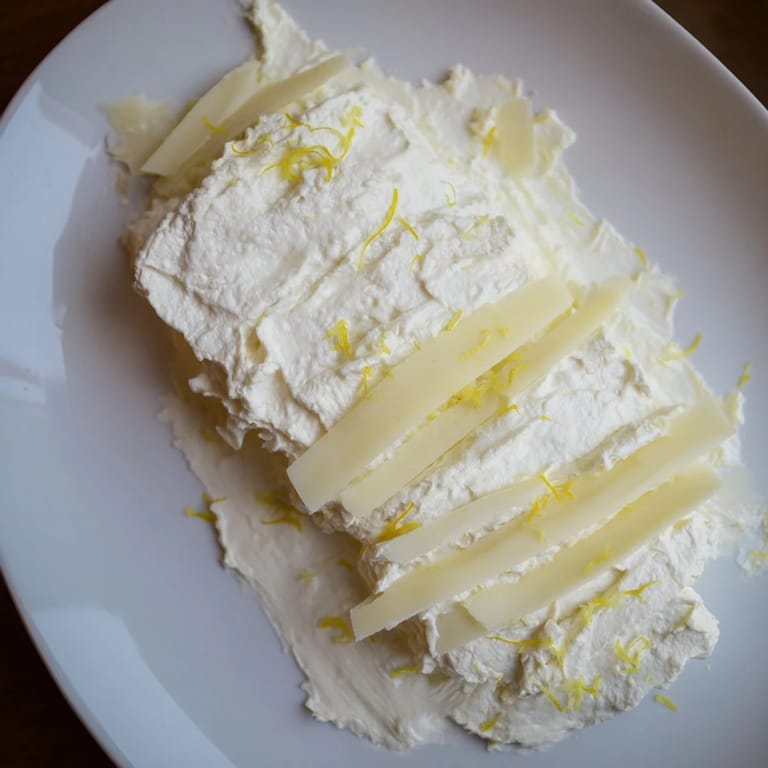
The first time I made this for my sister's dinner party, she walked into the kitchen mid-assembly and actually gasped—not because I'm a particularly talented arranger, but because the golden ricotta and honeyed mascarpone, when swooshed across the platter with an offset spatula, genuinely looked like edible marble. She grabbed her phone to photograph it before anyone could touch it, which felt like the highest compliment. That moment taught me that presentation isn't pretentious when it comes from genuine care.
Ingredients
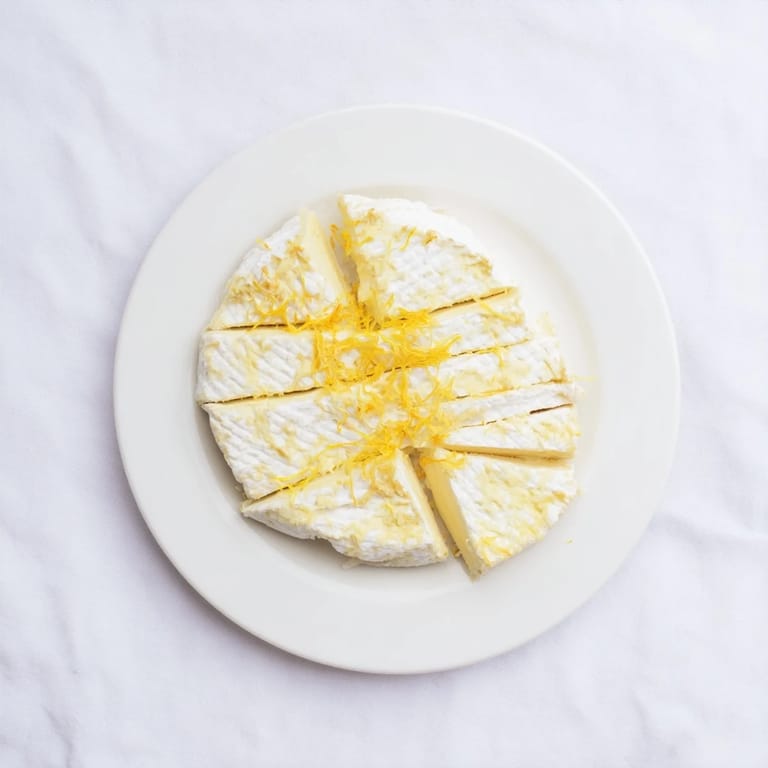
- Triple cream brie tinted with saffron or turmeric: The foundation of luxury—saffron gives it a gentle golden hue and a whisper of floral warmth, while turmeric offers a deeper yellow if you prefer something bolder (just use a light hand to avoid any earthy bitterness).
- Aged gouda, thinly sliced: Its nutty sweetness anchors the board and provides a textural contrast to the creamy spreads.
- Fontina cut into ribbons: Room temperature fontina is essential—it stays silky and doesn't break into crumbles, which is exactly what you want for that flowing aesthetic.
- Mimolette, shaved: This cheese has a natural golden-orange color that reinforces the saffron theme without any added tinting; its slightly sweet, fruity notes feel unexpectedly sophisticated.
- Whipped ricotta blended with saffron threads: Soak the threads in warm water first to release their color and flavor—this step elevates simple ricotta into something that tastes intentional.
- Honeyed mascarpone: A touch of honey or a drizzle mixed through mascarpone creates pockets of sweetness that play beautifully against salty crackers and sharp aged cheese.
- Lemon curd: Optional but worth the effort—its tanginess cuts through richness and adds another layer of silky texture to the board.
- Baguette slices: Thin slicing is key; thicker slices feel clunky on an elegant board, while thin ones feel more refined.
- Seed crackers: Adds earthiness and a satisfying crunch that contrasts with all the creamy elements.
- Dried apricots and roasted pistachios: These tie the saffron theme together—apricots echo the golden color, and pistachios add a subtle green note that makes the whole thing feel intentional rather than random.
Tired of Takeout? 🥡
Get 10 meals you can make faster than delivery arrives. Seriously.
One email. No spam. Unsubscribe anytime.
Instructions
- Prepare your spreads with intention:
- Before you even touch the platter, make sure your saffron whipped ricotta and honeyed mascarpone are at room temperature and have the consistency of thick yogurt. Use an offset spatula to create a few generous swooshes across your platter, letting them puddle naturally—this is where the silk effect lives, so don't overthink it.
- Build flowing curves with the cheeses:
- Arrange the gouda slices and fontina ribbons in soft curves that play into and overlap with the creamy spreads, as if the two elements are dancing together. Let edges blur and layer; perfection here actually looks less polished and more alive.
- Nestle the lemon curd:
- If you're using it, place it in a small shallow bowl and set it on the platter, then gently swirl a little directly onto the board for visual intrigue. This step feels indulgent but transforms the whole composition.
- Scatter your accompaniments with rhythm:
- Distribute baguette slices, crackers, apricots, and pistachios around the cheeses and spreads in clusters rather than a uniform pattern—it feels more natural and inviting. Leave a little negative space; a crowded board feels anxious rather than luxurious.
- Serve at the right moment:
- Bring everything to room temperature before guests arrive so cheeses stay silky and spreads stay spoonable. A cold cheese board is a wasted cheese board.
 Save
Save One evening a guest asked me to teach her how to make this board, and as we arranged the cheese together, she said it felt meditative—the act of swooshing cream and laying down silky ribbons somehow quieted her busy mind. That's when I realized this recipe isn't just about impressing people; it's about creating a moment where effort and beauty intersect in a way that feels effortless.
The Saffron Thread Through Everything
Saffron is expensive and temperamental, which is exactly why it's the soul of this board. When you commit to saffron—even just a pinch—it whispers a story through every element it touches. The ricotta becomes golden, the whole composition feels intentional, and suddenly you're not just serving cheese; you're offering guests a sensory experience that feels rare. This board works because saffron elevates simple, quality ingredients into something that feels like a luxury without requiring a professional kitchen or advanced skills.
Building a Board That Tells a Story
The best cheese boards aren't arranged; they're composed like a conversation between flavors, textures, and colors. This one starts with a question—what if we leaned into a single, luxurious spice as a unifying theme?—and then answers it by layering creamy, aged, fresh, and supporting elements that all speak the same language. When you step back and look at what you've created, you should feel like you're looking at art, not just appetizers.
Serving, Pairing, and Making It Your Own
I've learned that the most confident cheese boards feel personal, even when they follow a framework. This one wants to be paired with crisp, dry white wine—a Sancerre feels like the obvious choice, though Prosecco works if you're in a sparkling mood. The saffron theme opens doors too; if you feel adventurous, add edible flowers in gold or cream tones, or swap the apricots for dried figs, or sprinkle crushed pistachios directly onto the creamy spreads.
- Turmeric can substitute for saffron if you're budget-conscious, but use it sparingly since it can taste earthy when heavy-handed.
- You can prep all the elements the morning of and assemble the board 30 minutes before guests arrive, giving you one less thing to stress about.
- For dietary variations, plant-based cheeses and coconut-based spreads swap in beautifully if you're serving vegan guests alongside omnivores.
 Save
Save A cheese board is a gift you give your guests—and honestly, a gift you give yourself. There's something about arranging beautiful food with intention that reminds you why cooking matters.
Recipe FAQ
- → How do I achieve the saffron tint on the brie?
Lightly infuse triple cream brie with saffron threads or turmeric to create a gentle yellow hue without overpowering the flavor.
- → What spreads complement the cheeses best?
Whipped ricotta blended with saffron and honeyed mascarpone add creamy, fragrant layers that blend seamlessly with the cheeses.
- → Can I prepare this board ahead of time?
For best texture and appearance, assemble shortly before serving and keep cheeses at room temperature to enhance flavor.
- → What accompaniments work well on this board?
Thin baguette slices, seed crackers, dried apricots, and roasted pistachios add crunch, sweetness, and color contrast to the mellow cheeses.
- → How can I adapt this for vegan guests?
Substitute plant-based cheeses and coconut-based spreads to maintain similar textures and flavors suitable for vegan diets.