 Save
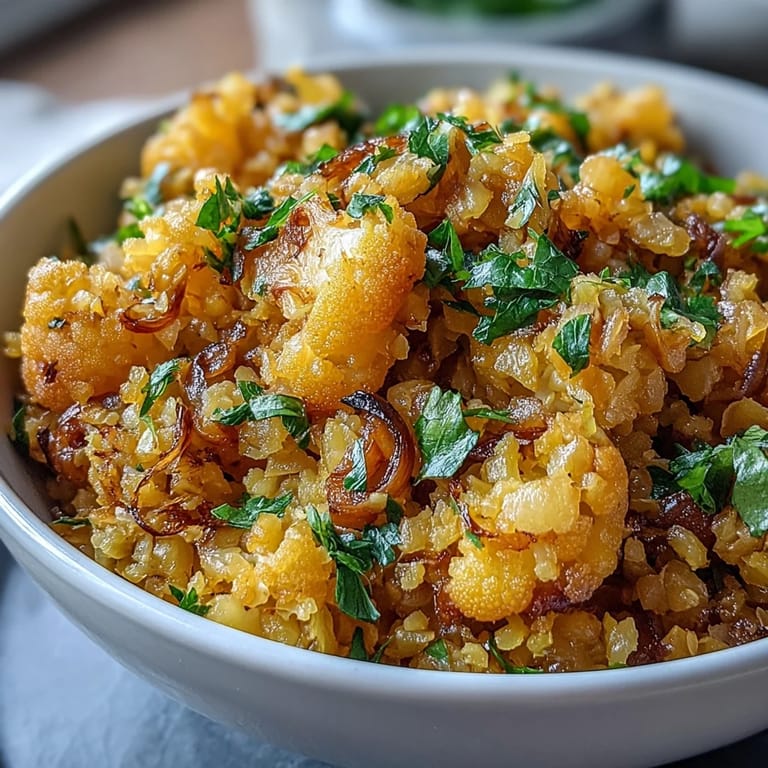
Save My kitchen smelled like turmeric for a week after I discovered this recipe during a particularly ambitious health kick. I was standing in front of my fridge, slightly annoyed that rice felt heavy, when it hit me—why not just pulse the cauliflower and make something golden instead? Twenty minutes later, I had a side dish that felt both indulgent and nourishing, and my partner actually asked for seconds without me begging.
I made this for a dinner party last fall when I wanted to impress people without spending three hours cooking. Watching my friend—the one who claims she hates vegetables—ask for the recipe felt like a small victory that I still think about.
Ingredients
- Cauliflower, 1 medium head: The foundation—look for a head that feels heavy for its size and has no brown spots, because fresh matters here.
- Onion, 1 small, finely chopped: It dissolves into the dish and becomes sweet, creating a subtle base that holds everything together.
- Garlic, 2 cloves, minced: Do not skip this step or rush it; the smell when it hits the oil is your signal that good things are happening.
- Olive oil or coconut oil, 1 tablespoon: I use coconut oil when I want nuttier notes and olive oil when I want it to feel more Mediterranean.
- Ground turmeric, 1 teaspoon: This is where the magic lives—that golden color and earthy warmth that makes people ask what you did differently.
- Ground cumin, 1/2 teaspoon: It adds depth without announcing itself, the quiet backbone of the spice blend.
- Ground black pepper, 1/4 teaspoon: Fresh cracked is noticeably better than pre-ground, though I'll never judge you for convenience.
- Sea salt, 1/2 teaspoon: Taste as you go—you might want more depending on what you're serving it with.
- Red chili flakes, pinch (optional): Only add this if you want a gentle warmth at the end; it's easy to go overboard.
- Fresh cilantro or parsley, 2 tablespoons chopped: The brightness that wakes up everything else—don't skip it even if you think you'll forget.
- Lemon juice, from 1/2 lemon: A squeeze of acid is the difference between good and unforgettable.
Tired of Takeout? 🥡
Get 10 meals you can make faster than delivery arrives. Seriously.
One email. No spam. Unsubscribe anytime.
Instructions
- Pulse the cauliflower into rice:
- Cut the cauliflower into florets and work in batches so you don't overwhelm your food processor. You want rice-sized pieces, not a puree—it should feel grainy when you touch it.
- Build the flavor base:
- Heat your oil over medium heat and watch the onion slowly turn from white to golden and translucent, about 2-3 minutes. Add the garlic and cook for just 30 seconds—any longer and it bitters.
- Toast the spices:
- Stir in your turmeric, cumin, pepper, and chili flakes and let them cook for exactly 1 minute so they release their oils and perfume the entire pan. The smell is your timer.
- Cook the cauliflower rice:
- Add your riced cauliflower and salt and stir constantly so every grain gets coated with those golden spices. Cook for 5-7 minutes, stirring occasionally, until the cauliflower is tender but still has a slight bite—mushy is the enemy here.
- Finish with brightness:
- Pull it off the heat, squeeze over the lemon juice, and toss with your herbs. Taste and adjust the salt or lemon as needed before serving.
 Save
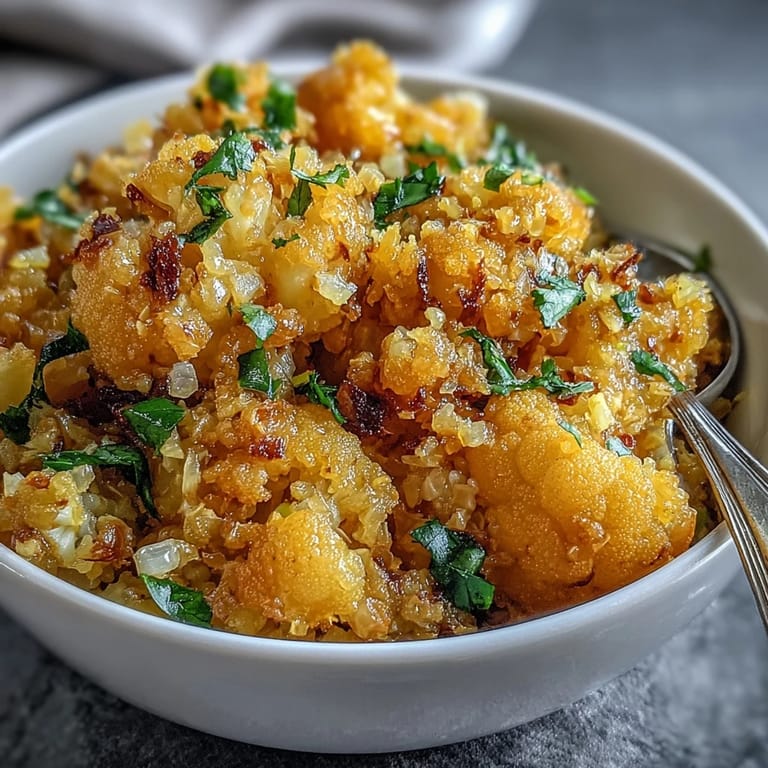
Save There was a moment at that dinner party when someone said, half-joking, that they wanted to eat more vegetables but couldn't commit to something that tasted like an obligation. This dish made them reconsider.
Why This Works As a Side Dish
Traditional rice can feel heavy or indulgent depending on your mood, and sometimes you just want something that feels lighter on your body but doesn't sacrifice flavor. Cauliflower rice does exactly that—it's a vehicle for spices and seasonings, absorbing them completely while staying delicate and quick to cook. I've served this alongside curries, grilled fish, roasted vegetables, and even taco nights, and it somehow complements everything without trying too hard.
Ways to Make It Your Own
The beauty of this recipe is that it's a canvas. I've stirred in frozen peas for color and sweetness, scattered diced bell pepper for crunch, and once threw in a handful of baby spinach at the very end because I had it sitting in my fridge looking sorry. A friend added toasted slivered almonds and suddenly the whole dish felt elevated, like it was dressed for an occasion.
Storage and Make-Ahead Magic
This reheats beautifully, which makes it perfect for meal prep if you're the type who plans ahead. I've kept it in the fridge for up to four days and warmed it gently in a skillet with a splash of water, and it tastes almost as good as freshly made. You can even rice the cauliflower the night before if you're short on time in the morning, though it does oxidize slightly—it's fine, just not quite as bright.
- Keep leftovers in an airtight container and reheat gently to preserve the texture.
- The lemon juice and cilantro are best added fresh, right before eating, so hold off if you're storing it.
- If you're taking this to a potluck, pack the garnishes separately and toss them in right before serving for maximum impact.
 Save
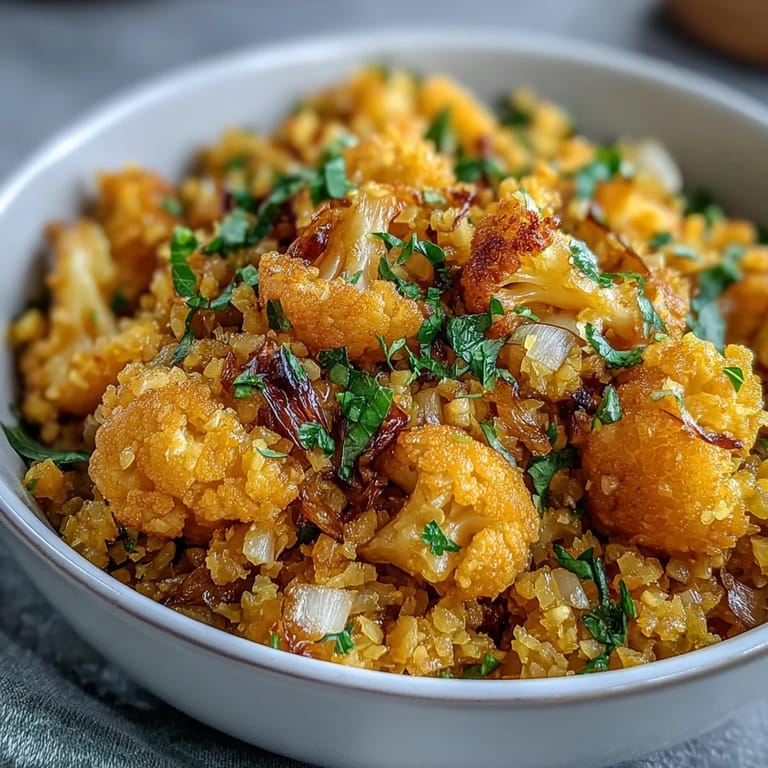
Save This dish has become my go-to when I want to cook something that feels good—both in how it tastes and how I feel after eating it. Make it once and you'll understand why.
Recipe FAQ
- → Can I make cauliflower rice without a food processor?
Yes, use a box grater with the medium holes to grate cauliflower florets into rice-sized pieces. It takes more effort but works perfectly well.
- → How long does cooked cauliflower rice keep?
Store in an airtight container in the refrigerator for up to 4 days. Reheat gently in a skillet or microwave, though it's best enjoyed fresh.
- → Is this dish freezer-friendly?
Yes, freeze cooled portions in freezer-safe bags for up to 2 months. Thaw overnight in the refrigerator before reheating.
- → Can I use frozen cauliflower rice?
Absolutely. Skip the ricing step and cook frozen cauliflower rice directly. You may need to reduce cooking time slightly as it's already partially broken down.
- → What can I add for more protein?
Stir in chickpeas, diced tofu, or toasted almonds during the last 2 minutes of cooking. Shredded chicken also works well if you want to make it more substantial.
- → How can I reduce the turmeric staining?
Use a wooden or stainless steel spoon when stirring. Clean any stained surfaces immediately with lemon juice or baking soda paste.