 Save
Save There's something almost magical about watching a kitchen transform when roasted garlic enters the equation. I discovered this sauce on a rainy Tuesday when I had three bulbs of garlic sitting on my counter and absolutely no idea what to do with them. Something told me to roast them whole, and forty minutes later, my entire apartment smelled like heaven had decided to relocate to my stove. That first bite changed how I thought about garlic forever—gone was the sharp bite, replaced by something sweet, buttery, and impossibly luxurious.
I made this for my sister on her first night in her new apartment, when her kitchen was still filled with unpacked boxes and she had nothing but a pot and a pan. She sat at her kitchen counter with a glass of wine while I worked, and by the time I twirled that first forkful, she actually teared up. It wasn't just hunger—it was the comfort of having someone show up and cook something that tasted like home, even in a place that didn't feel like one yet.
Ingredients
- 3 large whole garlic bulbs: Use the biggest, firmest bulbs you can find—they're sweeter and roast more evenly than smaller ones.
- 1 medium yellow onion, finely chopped: The onion becomes almost invisible but provides a subtle sweetness that balances the garlic.
- 1 (400 g) can diced tomatoes: San Marzano or DOP varieties make a noticeable difference in brightness.
- 2 tbsp fresh basil, chopped: Add most during cooking, but save some for that final verdant garnish that makes everything look intentional.
- 60 ml (1/4 cup) heavy cream: This is what transforms the sauce into something that clings to pasta like silk.
- 30 g (2 tbsp) unsalted butter: Good butter matters here—it's the final flourish that makes everything taste rounded and complete.
- 30 g (1/4 cup) grated Parmesan cheese: Freshly grated if possible; pre-grated versions have anti-caking agents that prevent the sauce from being truly creamy.
- 350 g dried pasta: Spaghetti, linguine, or fettuccine all work beautifully—choose whatever you have or prefer.
- 2 tbsp olive oil: Good quality here means the difference between a sauce that tastes rich and one that just tastes oily.
- 1/2 tsp salt, 1/4 tsp black pepper, 1/2 tsp red pepper flakes: These seasonings are your secret weapons for balancing sweetness with depth.
Tired of Takeout? 🥡
Get 10 meals you can make faster than delivery arrives. Seriously.
One email. No spam. Unsubscribe anytime.
Instructions
- Prepare and roast the garlic:
- Preheat your oven to 200°C (400°F), then slice the tops off each garlic bulb to expose the cloves underneath. Place each bulb on a piece of foil, drizzle generously with olive oil so it pools in the exposed cloves, and wrap tightly—the foil is your vessel of transformation, holding in all that steamy heat.
- Let time do the work:
- Roast for 35–40 minutes until the bulbs are golden and so soft they practically collapse. The smell will be your timer; when it shifts from raw-garlic pungent to sweet and almost caramelized, you're done.
- Squeeze and mash:
- Once cool enough to handle, squeeze each clove from its papery skin directly into a bowl—they slip out like butter. Mash them into a smooth paste with a fork, which takes about thirty seconds and feels oddly satisfying.
- Cook your pasta:
- While the garlic roasts, bring a large pot of salted water to a boil and cook your pasta according to package instructions. Before draining, reserve 120 ml (1/2 cup) of that starchy, golden water—it's liquid gold for adjusting creaminess.
- Build the base:
- Heat 2 tbsp olive oil in a large skillet over medium heat and add your chopped onion, stirring occasionally for about 5 minutes until it turns translucent and smells sweet. This is patience rewarded; don't rush it.
- Introduce the garlic:
- Stir in your mashed roasted garlic and cook for just 1 minute—you want the warmth to release its aroma without letting anything brown. This is the moment the kitchen becomes irresistible.
- Layer in flavor:
- Add your diced tomatoes, most of the fresh basil, salt, pepper, and red pepper flakes if you like heat. Simmer gently for 8–10 minutes, stirring occasionally, until the flavors knit together and the sauce darkens slightly.
- Finish with richness:
- Stir in the butter and cream, letting them melt into the sauce for about 2 minutes before stirring in the Parmesan cheese. Taste and adjust seasoning—sometimes it needs a tiny pinch more salt to wake everything up.
- Bring it together:
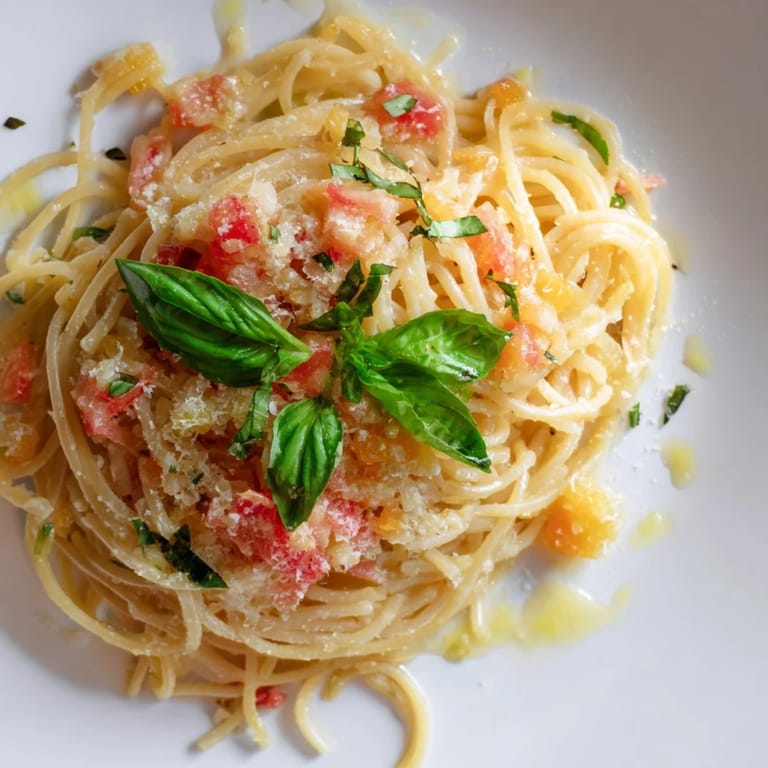
- Toss your hot pasta directly into the sauce, adding splashes of reserved pasta water until it coats every strand with a luxurious cling. The starch in that water is what makes the sauce cling rather than slide off.
- Serve with intention:
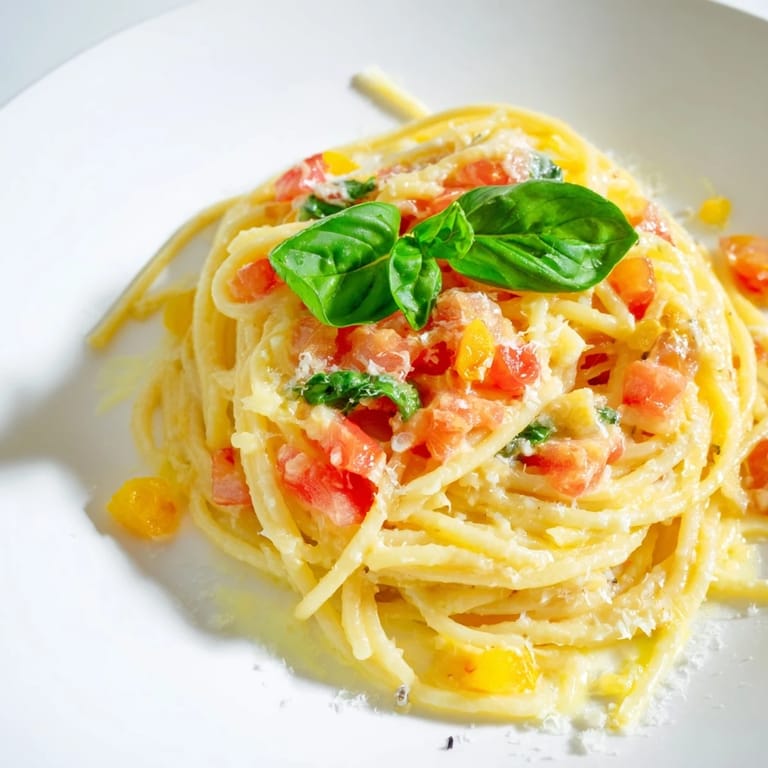
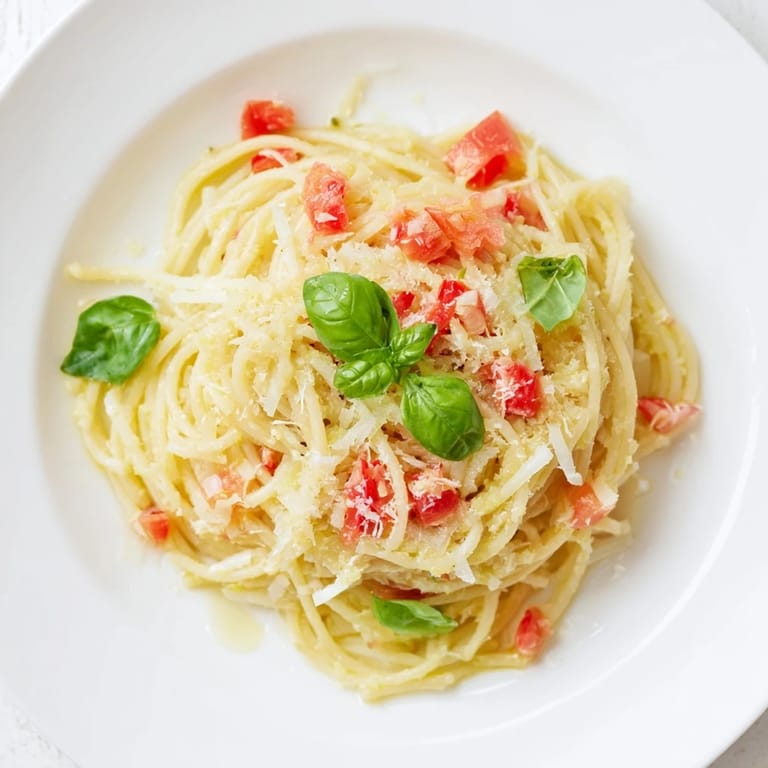
- Plate immediately while everything is hot, finishing each bowl with a scatter of fresh basil and extra Parmesan. The heat keeps everything at its best; let it sit too long and the magic fades slightly.
 Save
Save My neighbor once asked what smelled so good, and I invited her in for a bowl. She sat in my kitchen for two hours, not saying much, just eating and sipping wine. Later she told me it was the first time in months she'd felt like things might get easier. Food has this quiet power when it's made with real care.
Why Roasted Garlic Changes Everything
Raw garlic and roasted garlic are completely different ingredients living in the same bulb. Roasting transforms the sulfur compounds that create garlic's sharp bite into sweet, almost caramelized notes—it's chemistry you can taste. The first time I understood this, I roasted two bulbs just to eat them plain with crusty bread, and it felt like discovering a secret that had been hiding in my pantry all along. Now I roast extra bulbs whenever I have the oven on, spreading them on toast, stirring them into soups, or just eating them like candy.
Timing and Temperature Matters More Than You Think
The oven temperature and roasting time are the skeleton key to this entire recipe. Too hot and the garlic burns before it softens; too cool and you get undercooked cloves that taste bitter and harsh. I once tried roasting at a higher temperature to save time and ended up with charred exteriors and raw centers—a mistake that taught me patience in a hurry. Now I set a timer and trust the process, knowing that forty minutes of slow heat is what turns a bulb into something magical.
Customizing Your Sauce
This sauce is a beautiful blank canvas that accepts variation like a painter's primer. On cold nights I add a pinch of crushed red pepper for warmth, and sometimes I stir in a handful of fresh spinach at the very end, watching it wilt into the creaminess. You could add crispy pancetta or anchovies if you want umami depth, or a splash of white wine to brighten everything. The key is that roasted garlic base remains the star—everything else is just harmony.
- A small handful of fresh spinach stirred in at the end adds color and a whisper of earthiness without changing the soul of the sauce.
- For a lighter version, swap half the cream for whole milk and add an extra tablespoon of butter for richness without heaviness.
- Make this sauce ahead and refrigerate it for up to three days; it actually deepens in flavor and reheats beautifully with a splash of cream.
 Save
Save This sauce has become my answer to the question 'what do you make when you want to feel like you're taking care of someone?' It's simple enough that it never feels like strain, but it tastes like love invested in every clove. Make it for yourself on a quiet night, or make it for someone who needs reminding that good things still exist.
Recipe FAQ
- → How is the garlic prepared for the sauce?
Whole garlic bulbs are roasted until golden and soft, then mashed into a smooth paste to infuse a sweet, mellow garlic flavor.
- → Can I use different types of pasta with this sauce?
Yes, spaghetti, linguine, or fettuccine all pair beautifully with the creamy sauce for a delicious dish.
- → What is the purpose of reserving pasta water?
Adding reserved pasta water helps to loosen the sauce and create a silky texture that clings well to the pasta strands.
- → Is it possible to make a dairy-free version?
Yes, substitute plant-based cream and omit or replace Parmesan with a vegan alternative for a dairy-free variation.
- → How long can the roasted garlic be stored?
Roasted garlic can be refrigerated in an airtight container for up to one week, allowing for quick sauce preparation later.