 Save
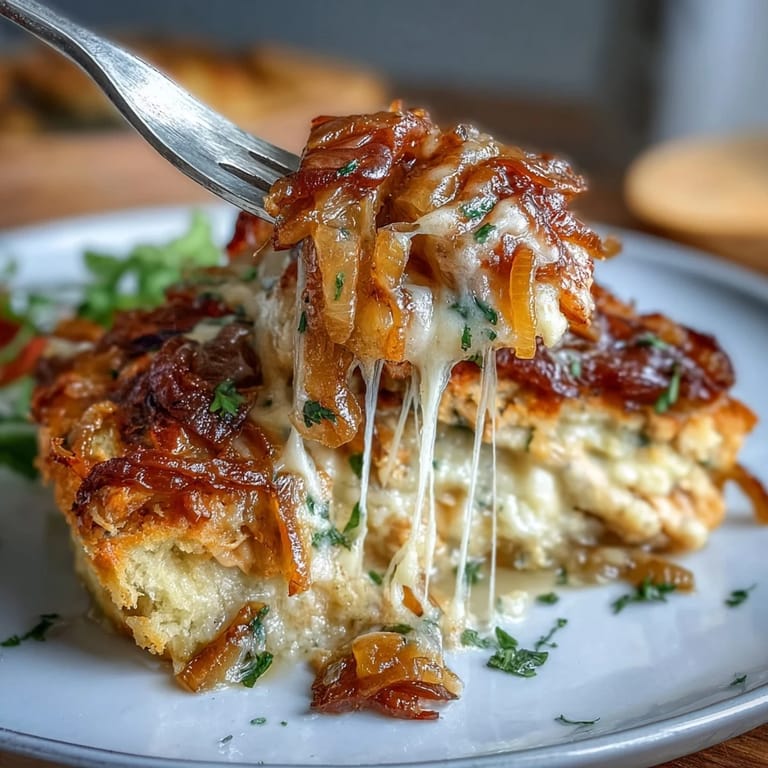
Save My sister called me on a Tuesday evening asking if I could make something special for her dinner party, and without thinking, I said yes—even though I had no idea what to cook. While scrolling through old recipes, I landed on French onion soup, but the thought of serving soup felt too simple for the occasion. That's when it hit me: what if I took everything I loved about that caramelized, wine-soaked dish and built it around chicken instead? Two hours later, with golden cheese bubbling in my oven, I realized I'd accidentally created something that felt both fancy and impossibly comforting at the same time.
I made this for a small dinner party on a rainy November night, and something magical happened when we all gathered around the table. The steam rising from the skillet, the smell of those deep-brown onions mingling with melted cheese—it stopped everyone mid-conversation. My friend Sarah, who usually picks at food, went back for thirds and asked for the recipe before dessert was even plated. That's when I knew this dish had shifted from something I made to something I'd be making forever.
Ingredients
- Boneless, skinless chicken breasts (4): Look for breasts that are roughly the same thickness so they cook evenly; if they're uneven, gently pound them to about three-quarters of an inch thick before seasoning.
- Kosher salt and freshly ground black pepper: Kosher salt dissolves more evenly than table salt, and fresh pepper makes a real difference—pre-ground loses its bite faster than you'd think.
- Olive oil (2 tablespoons total for chicken): Use a neutral oil with a high smoke point; you need the skillet hot enough to get real color on the chicken without the oil burning.
- Large yellow onions (3), thinly sliced: Yellow onions caramelize better than white or red onions because they have more natural sugar; slice them uniform so they cook at the same pace.
- Unsalted butter and olive oil (3 tablespoons combined): The combination of both gives you the richness of butter without it burning as easily on its own.
- Sugar (1 teaspoon): This tiny amount accelerates caramelization and balances the savory notes without making anything taste sweet.
- Garlic (2 cloves, minced): Mince it fresh right before you use it; jarred garlic won't give you that bright, sharp edge.
- Dried thyme (½ teaspoon): Thyme is the backbone of French cooking; it's woodsy and subtle, never overwhelming.
- Dry white wine (¼ cup, optional but encouraged): It cuts through the richness and adds complexity; even cheap wine works because the alcohol cooks off and leaves just the flavor behind.
- Beef or chicken broth (½ cup): Use homemade if you have it, but good quality store-bought works perfectly; avoid the ultra-salty versions.
- Gruyere cheese, shredded (1½ cups): Gruyere melts smoothly and doesn't get oily; if you absolutely can't find it, Swiss works, but Gruyere has a nuttiness that makes this dish special.
- Fresh parsley (2 tablespoons, chopped): It's optional, but that bright green on top makes the dish look alive and adds a fresh note after all those deep, cooked flavors.
Tired of Takeout? 🥡
Get 10 meals you can make faster than delivery arrives. Seriously.
One email. No spam. Unsubscribe anytime.
Instructions
- Heat your oven and season the chicken:
- Set your oven to 375°F and get it preheating while you work. Season each chicken breast generously with salt and pepper on both sides, letting the seasoning sit for a minute so it adheres properly.
- Sear the chicken until golden:
- Heat 1 tablespoon olive oil in a large ovenproof skillet over medium-high heat until it shimmers and moves easily around the pan. Place the chicken in the hot skillet and resist the urge to move it—let it sit for 2 to 3 minutes until the bottom gets a light golden crust, then flip and do the same on the other side.
- Build the onion base:
- Remove the chicken and set it aside on a clean plate. Lower the heat to medium and add the butter and remaining olive oil to the same skillet, then add your sliced onions and that half teaspoon of salt. Stir them around every minute or so, letting them soften and turn translucent, which should take about 15 to 20 minutes.
- Caramelize deeply:
- Sprinkle the sugar over the onions and keep stirring—this is when the magic happens, and you'll see the onions shift from pale gold to a deeper, richer brown. This takes another 10 minutes or so, and it's worth not rushing because those deep caramel notes are what make this dish taste like something you've been cooking all day.
- Add aromatics and deglaze:
- Stir in the minced garlic and thyme, cook for about 1 minute until fragrant, then pour in the wine if you're using it. Scrape the bottom of the pan with a wooden spoon to lift up all those browned bits, and let the wine reduce by about half.
- Nestle and top:
- Add the broth and simmer for 2 minutes, then arrange the seared chicken breasts back into the skillet, nestling them into the onion mixture. Spoon some of the onions over the top of each piece of chicken, then scatter the shredded Gruyere evenly across everything.
- Bake until golden:
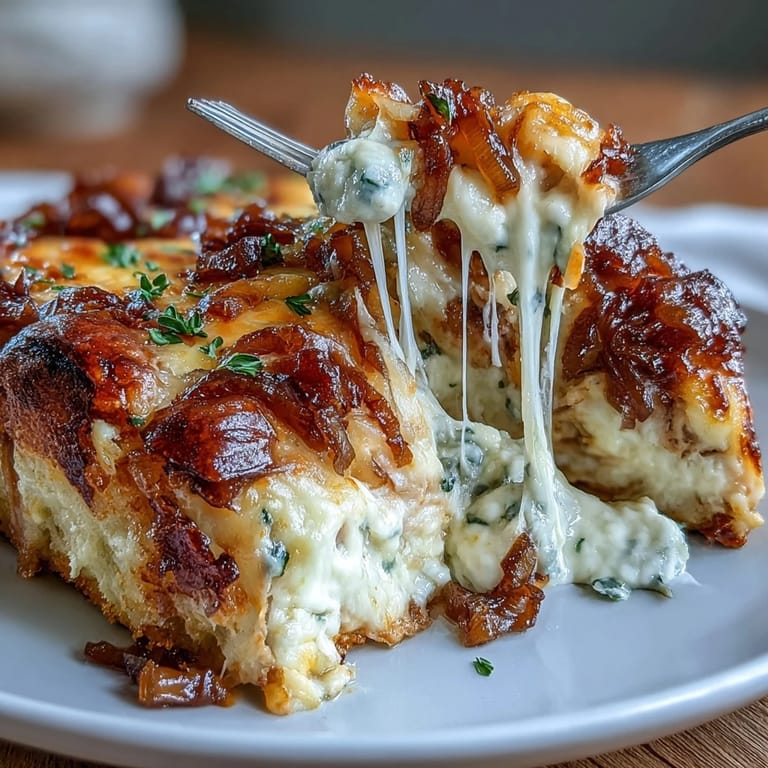
- Transfer the skillet to the preheated oven and bake uncovered for 20 to 25 minutes, until the chicken reaches 165°F on an instant-read thermometer and the cheese is melted and golden brown with some dark edges. Let it rest for 5 minutes before garnishing with fresh parsley and serving.
 Save
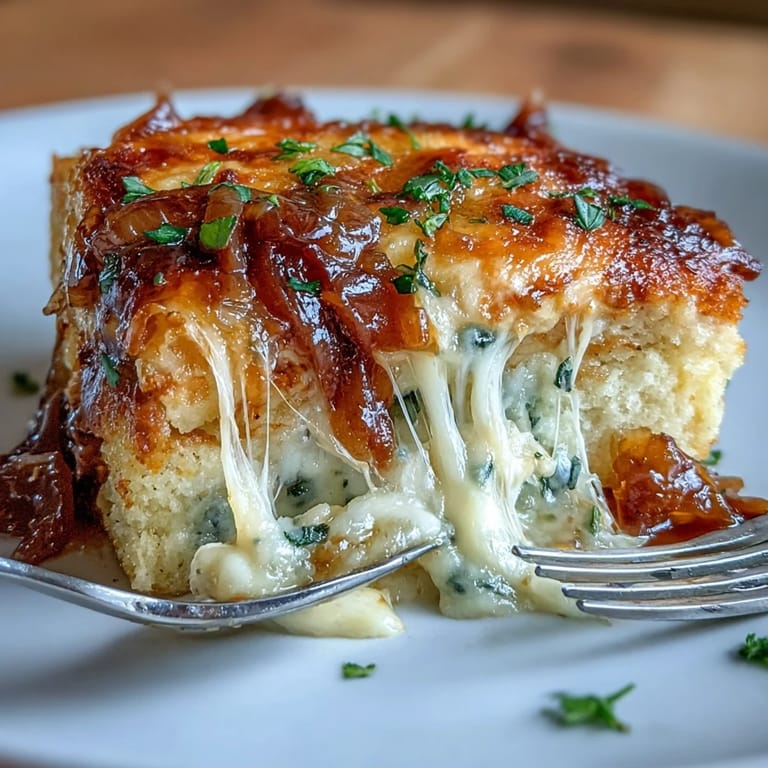
Save There was a moment during that dinner party when my friend's partner took a bite and just went quiet, which is the highest compliment you can get in my experience. The chicken was so tender it barely needed a knife, and when you cut into it, that melted cheese mixed with the caramelized onions in a way that felt almost luxurious. I realized then that this dish sits in that perfect space where it looks fancy enough for company but feels like comfort food that's been in your family forever.
The Magic of Caramelized Onions
Caramelizing onions is one of those cooking techniques that teaches you patience, because you really can't rush it without losing the depth of flavor. The onions go through phases—first they soften and release their moisture, then they turn pale gold, and finally they develop those deep brown notes that taste almost sweet. I used to think I was caramelizing them when they were barely golden, and the dishes always felt flat until I learned to trust the process and let them sit in that pan long enough to develop real color.
Choosing Your Cheese Wisely
Gruyere is worth seeking out because it melts so smoothly and adds this subtle nuttiness that Swiss cheese doesn't quite capture. I once substituted it with cheddar because that's what I had on hand, and while it was still delicious, the final dish tasted more American diner than French-inspired bistro. The type of cheese you choose shifts the entire personality of the dish, so it's worth paying attention to that detail.
Wine, Broth, and Building Depth
The wine and broth in this dish aren't just liquid—they're flavor builders that create a sauce that's savory and slightly rich without being heavy. If you skip the wine, the dish still works, but you lose that subtle acidity that cuts through all the richness and keeps everything balanced. The broth should be good quality because you can taste it directly; there's nowhere for it to hide.
- Taste your broth before using it so you know how salty it is and can adjust the seasoning accordingly.
- If you're cooking for someone who doesn't drink alcohol, skip the wine—it's not essential, just a nice addition.
- The sauce should coat a spoon lightly but not be thick or gravy-like when the dish is done.
 Save
Save This dish has become my go-to when I want to cook something that feels special but doesn't require a cookbook's worth of steps or ingredients I can't pronounce. It's the kind of meal that tastes like you've been working in the kitchen all day, when really you've just understood how a few simple things can transform into something extraordinary.
Recipe FAQ
- → How do I caramelize the onions perfectly?
Cook thinly sliced onions slowly over medium heat with butter and a pinch of sugar, stirring often until golden and deeply browned, about 30 to 40 minutes total.
- → Can I use a different cheese than Gruyere?
Yes, Swiss or Emmental cheese make good alternatives that melt similarly and offer complementary flavors.
- → Is it necessary to sear the chicken before baking?
Searing helps lock in juices and creates a lightly golden crust, enhancing both texture and flavor before baking.
- → What is the role of white wine in the dish?
White wine deglazes the pan and adds acidity that balances the richness of the onions and cheese without overwhelming the dish.
- → What side dishes pair well with this meal?
Crusty bread or creamy mashed potatoes complement the rich flavors and help soak up the savory juices.