 Save
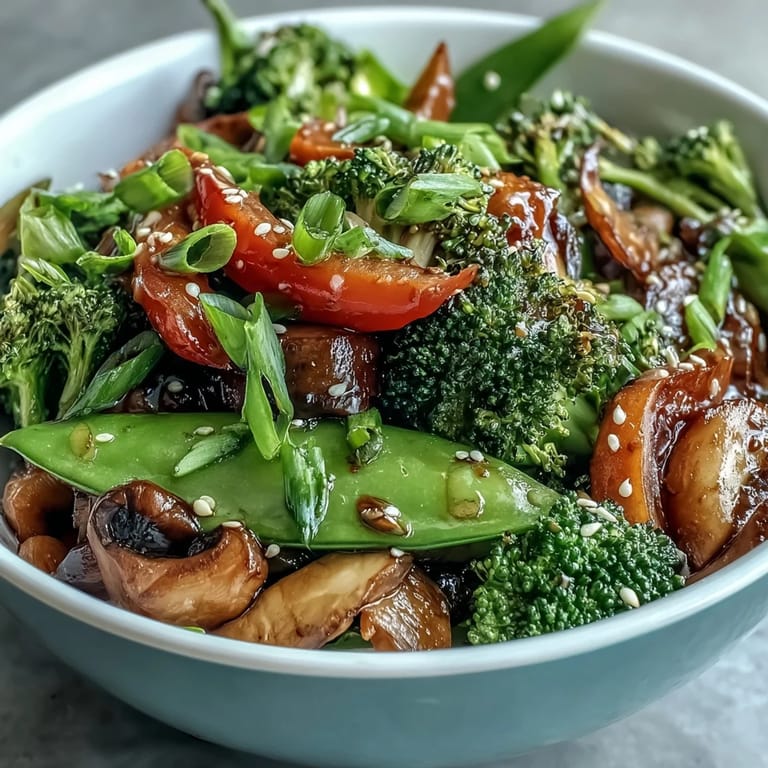
Save My neighbor knocked on my kitchen door one evening with a handful of ginger root, insisting I'd understand its magic once I started cooking with it. That night, I threw together whatever vegetables were lingering in my crisper drawer and discovered how this simple stir-fry could transform a weeknight into something that actually felt intentional. Now, whenever that warm, spicy-sweet aroma fills my kitchen, I think of her standing at my counter, watching the pan sizzle with approval.
I made this for my partner during a particularly dreary week, and watching their face light up at the first bite reminded me that cooking doesn't always need to be complicated to feel like care. The kitchen filled with steam and ginger smoke, and suddenly everything felt lighter.
Ingredients
- Broccoli florets: Choose tight, vibrant green crowns and cut them into bite-sized pieces so they cook evenly without turning mushy.
- Sliced carrots: Slice them thin enough to cook through in minutes but thick enough to hold their shape and snap between your teeth.
- Red bell pepper: The sweetness balances the ginger's heat, and slicing them against the grain helps them stay tender without falling apart.
- Snap peas: Add these near the end so they keep their signature crunch and bright flavor.
- Yellow onion: Thin slices disappear into the stir-fry while still adding sweetness and depth that makes the whole dish feel complete.
- Sliced mushrooms: They soak up the sauce like little flavor sponges and add an earthy richness that elevates the whole pan.
- Fresh ginger: Freshly grated is non-negotiable—the heat and complexity it brings is what people taste and ask you about afterward.
- Garlic: Mince it fine so it releases its flavor immediately when the pan gets hot.
- Soy sauce: Use tamari if you're avoiding gluten, and don't skip the quality here because it's your main seasoning.
- Sesame oil: Just a tablespoon adds a toasted, almost nutty depth that makes people wonder what your secret is.
- Vegetable oil: High heat demands an oil with a high smoke point, so peanut or vegetable oil keeps everything from scorching.
- Rice vinegar: The acidity brightens everything and keeps the sauce from tasting one-dimensional.
- Maple syrup or honey: A teaspoon balances the salty-spicy-tangy with just enough sweetness to feel harmonious.
- Red pepper flakes: Optional but honestly, a pinch gives the ginger a little backup, making the heat feel complex rather than simple.
- Green onions: Sprinkle them on last so they stay fresh and add a sharp, oniony brightness that contrasts with the cooked vegetables.
- Toasted sesame seeds: The final flourish that makes it look intentional and adds a subtle crunch and nutty finish.
Tired of Takeout? 🥡
Get 10 meals you can make faster than delivery arrives. Seriously.
One email. No spam. Unsubscribe anytime.
Instructions
- Build your sauce while the pan waits:
- Whisk soy sauce, rice vinegar, maple syrup, and red pepper flakes together in a small bowl. This five-minute prep means you're not scrambling while vegetables cook and everything's ready to pour at exactly the right moment.
- Heat your oils until they're almost smoking:
- Pour vegetable and sesame oil into your skillet or wok over medium-high heat and let them get properly hot. You'll see the oil shimmer and move easily across the pan, which is your signal that the temperature is right.
- Bloom the ginger and garlic:
- Add them both at once and stir constantly for 30 seconds, just until the kitchen fills with that incredible spiced aroma. This quick step takes the raw edge off and wakes everything up.
- Start with the slow-cooking vegetables:
- Toss in onion, carrots, and broccoli, stirring constantly for 2 to 3 minutes until the carrots start to soften slightly at the edges. You want them still firm enough to have personality.
- Add the quick-cooking vegetables:
- Slide in bell pepper, snap peas, and mushrooms, continuing to stir for another 3 to 4 minutes until everything is tender but still has a little resistance when you bite it. This is the sweet spot—crisp-tender is the goal.
- Pour in the sauce and toss everything together:
- Pour your prepared sauce over the vegetables and toss constantly for 1 to 2 minutes, coating everything evenly. The pan sizzles and the sauce coats each piece, tying the whole dish together.
- Finish and serve immediately:
- Remove from heat and top with sliced green onions and toasted sesame seeds while everything is still hot. The heat wilts the green onions slightly while keeping them fresh, and the sesame seeds add that final textural contrast.
 Save
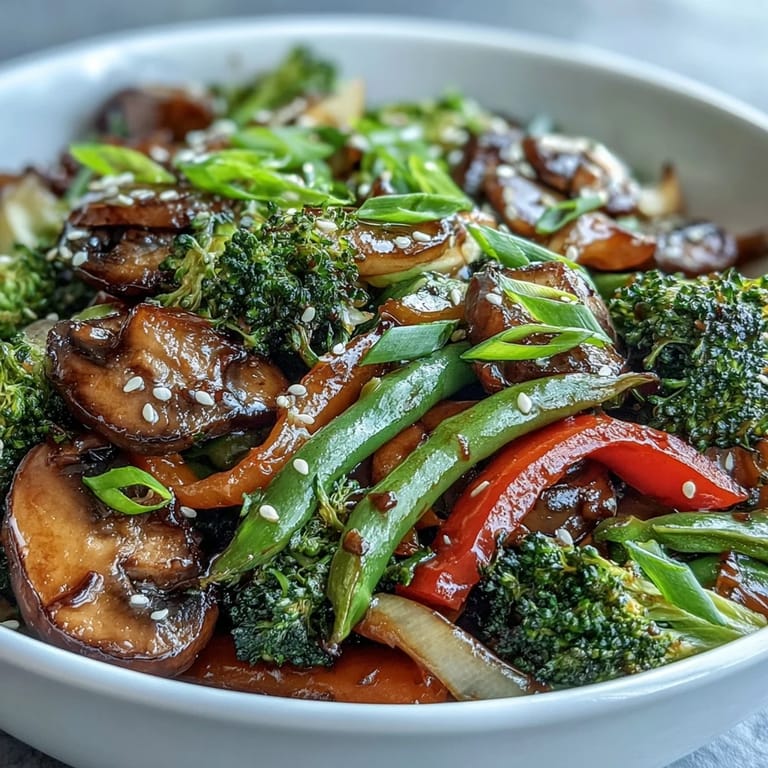
Save There's something almost meditative about the sound of vegetables hitting a hot pan and the rhythm of constant stirring. One Sunday morning, I made this while my kids colored at the table, and they actually put their markers down to watch the transformation, which in parenting terms might be the highest compliment available.
Vegetable Swaps That Work
The beauty of stir-fries is their flexibility, and I've learned through happy accidents that almost any vegetable you have works if you respect cooking time. Zucchini, water chestnuts, baby corn, bok choy, and asparagus all fit seamlessly, though thicker vegetables like zucchini need the same head start as carrots.
Making It a Complete Meal
Served alone, this is a gorgeous side dish, but I learned early on that serving it over something substantial makes it feel like dinner rather than accompaniment. Jasmine rice absorbs the sauce beautifully, brown rice adds nuttiness that echoes the sesame, and noodles turn it into something heartier and more satisfying.
Kitchen Wisdom I've Gathered
Stir-frying taught me that organization and speed matter more than precision, which is why professional cooks call it mise en place—everything in its place before the heat starts. Chopping your vegetables while your oils heat means you're never caught off guard, and the confidence that comes from being prepared makes the whole cooking process feel less stressful and more enjoyable.
- Prep all vegetables before the pan gets hot—stir-frying moves fast and there's no time to chop once things are sizzling.
- If your pan isn't big enough, work in batches rather than crowding it, because steaming defeats the whole purpose of high heat.
- Taste and adjust the sauce before serving; a splash more vinegar or soy sauce might be exactly what yours needs.
 Save
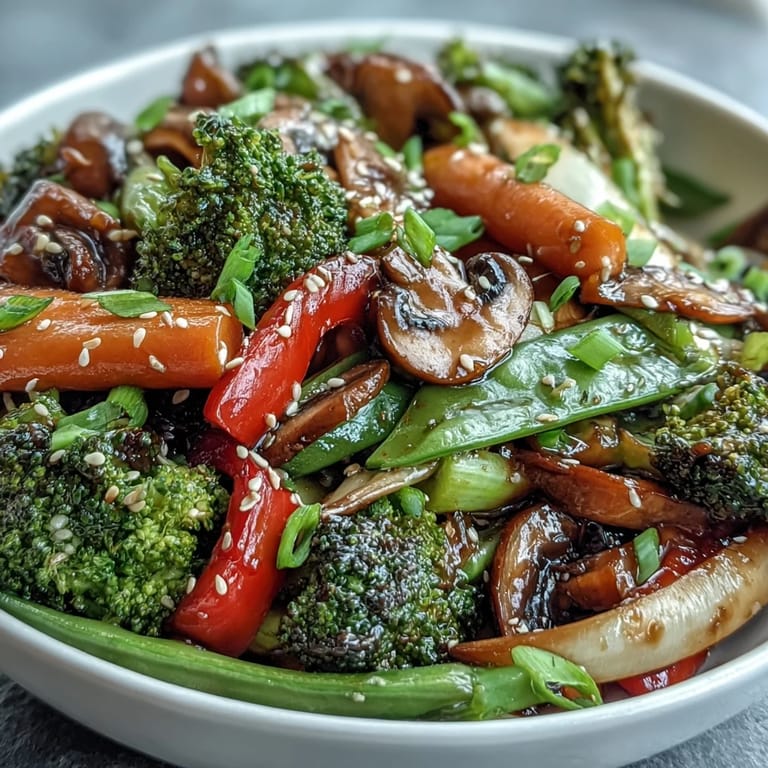
Save This stir-fry has become my go-to when I want to feel capable in the kitchen without spending hours there. It's taught me that some of the best meals come together quickly when you respect your ingredients and pay attention.
Recipe FAQ
- → What vegetables work best for stir-frying?
Broccoli, carrots, bell peppers, snap peas, and mushrooms are excellent choices because they maintain their texture when cooked quickly over high heat. Feel free to substitute with other crisp vegetables like bok choy, snow peas, or zucchini based on what's available.
- → How do I keep vegetables crisp-tender?
Cook over medium-high heat and stir constantly. Add vegetables in stages—harder ones like carrots and broccoli first, then softer vegetables like peppers and snap peas. This ensures everything finishes cooking at the same time without becoming mushy.
- → Can I make this gluten-free?
Absolutely. Simply substitute regular soy sauce with gluten-free tamari. All other ingredients naturally fit a gluten-free diet, making this dish easily adaptable for those with gluten sensitivities.
- → How can I add more protein?
Press and cube firm tofu, or slice tempeh into strips. Pan-fry them separately until golden, then add back in with the sauce. Edamame, cashews, or sliced almonds also make excellent protein-rich additions.
- → What should I serve with these vegetables?
Steamed jasmine rice, brown rice, or rice noodles make perfect bases. For a low-carb option, serve over cauliflower rice or enjoy as a standalone side dish alongside grilled fish or chicken.
- → Can I prepare this ahead of time?
Prep all vegetables and whisk the sauce up to 24 hours in advance. Store vegetables in airtight containers and keep the sauce refrigerated. Stir-fry just before serving for the best texture and flavor.