 Save
Save The first time I held a stomach casing in my hands, I nearly dropped it. My Scottish grandmother stood at the stove with that knowing smile, telling me this wasn't something to fear but something to respect—a recipe that connected us to centuries of resourceful cooking. Haggis, she explained, wasn't about fancy ingredients; it was about using every part of the animal and creating something deeply, unmistakably Scottish. That afternoon, despite my nervous fumbling, I learned that haggis is pure alchemy: tough cuts transformed by time and heat into something rich and haunting.
I made haggis for a dinner party once, terrified it would be rejected outright. Instead, a skeptical friend took one bite of the perfectly seasoned, creamy mixture and said simply, 'This is more interesting than I expected.' That moment—when something unfamiliar becomes beloved—is why I keep making it.
Ingredients
- Sheep's heart, liver, and lungs (500 g): These offal pieces are the soul of haggis; simmering them for hours transforms tough texture into tender, flavorful mince that carries the dish. If you can't find them, ask your butcher in advance—it's worth the effort, though lamb or beef mince works if you're truly stuck.
- Beef or lamb suet (200 g), finely chopped: This hard fat melts into the mixture, creating that distinctive richness and keeping everything moist during the long cook. Don't skip it or use oil as a substitute; suet is what makes the texture right.
- Lamb or beef mince (300 g): Optional, but I add it for texture and to stretch the dish across six generous servings without making it taste thin.
- Steel-cut oats, toasted (150 g): The oats act as a binder and give haggis its characteristic hearty texture. Toast them first in a dry pan to coax out a subtle nuttiness that deepens the flavor.
- Onions, finely chopped (2 medium): Aromatic backbone that softens during cooking and becomes almost sweet against the spices and meat.
- Beef stock (250 ml): This keeps the mixture moist without making it soupy; it's your safeguard against ending up with something too dense.
- Ground black pepper (1 tsp), ground coriander (1 tsp), ground nutmeg (1 tsp), ground allspice (½ tsp): These spices are essential—they're what give haggis its warm, complex character. Measure them carefully; the blend matters more than any single spice.
- Salt (1½ tsp): Taste as you go; you may need slightly more depending on how salty your stock is.
- Sheep's stomach casing or large sausage casing: The traditional container, though an oven-proof pudding basin works beautifully if casings feel too intimidating for your first attempt.
- Potatoes (500 g) and turnips (500 g): Neeps and tatties are non-negotiable accompaniments; their mild, buttery sweetness balances haggis's savory intensity.
- Butter (50 g): For mashing the neeps and tatties—use good butter, not margarine.
Tired of Takeout? 🥡
Get 10 meals you can make faster than delivery arrives. Seriously.
One email. No spam. Unsubscribe anytime.
Instructions
- Prepare the offal:
- Rinse the heart, liver, and lungs under cold water, rubbing gently to remove any blood or debris. Place them in a large pot, cover completely with cold water, and bring to a rolling boil. The water will turn grey and cloudy at first—that's normal. Reduce heat and simmer gently for 1 to 2 hours until the pieces are tender enough to pierce easily with a fork.
- Cool and mince:
- Drain the offal (reserving 250 ml of cooking liquid if you'd like extra richness), then let it cool just enough to handle. Using a sharp knife or a food processor, mince it finely into small, even pieces. The texture should be like coarse ground meat, not a paste.
- Combine the filling:
- In a large bowl, mix the minced offal with suet, toasted oats, finely chopped onions, and optional lamb mince. Pour in the beef stock and reserved cooking liquid if using, then add all the seasonings: black pepper, coriander, nutmeg, allspice, and salt. Mix everything thoroughly with your hands or a wooden spoon until the texture is moist and cohesive but not wet or runny.
- Prepare the casing:
- If using a stomach casing, rinse it under cold water inside and out, checking for any holes by gently running water through it. If using sausage casing, do the same. Fill it loosely with the haggis mixture, leaving about a quarter of the space empty to allow for expansion as it cooks. Tie the opening securely with kitchen twine. If using a pudding basin instead, simply spoon the mixture in and cover the top tightly with foil.
- Steam the haggis:
- Place the filled casing or basin in a large pot and pour boiling water around it until the water reaches halfway up the sides—never covering the top. Simmer gently over medium heat for 2 hours, checking the water level occasionally and adding more hot water if needed to keep it from boiling away.
- Prepare neeps and tatties:
- While the haggis cooks, peel and cube the potatoes and turnips into evenly-sized pieces. Boil them separately in salted water (they cook at different rates) for about 20 to 25 minutes until very tender. Drain well, then return each to its pot and mash with butter, salt, and pepper until creamy and warm.
- Finish and serve:
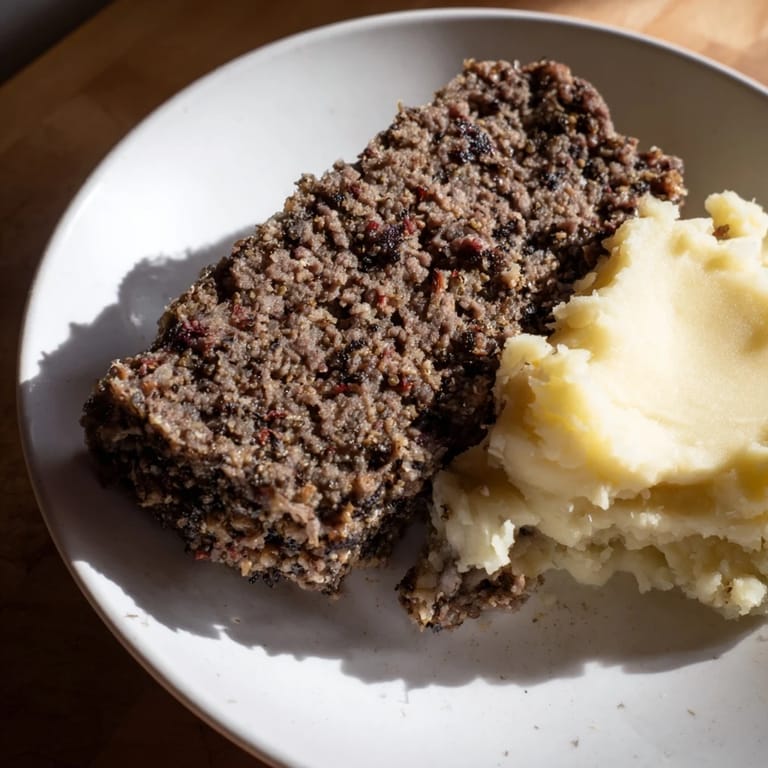
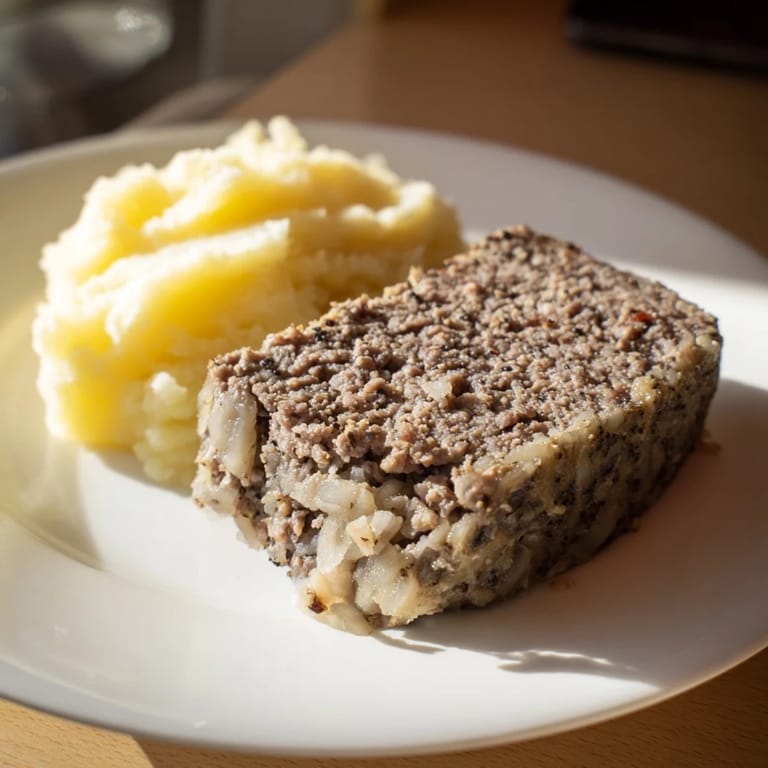
- Carefully remove the haggis from the pot and let it rest for a few minutes. Slide a sharp knife around the inside of the casing to loosen it, then tip the haggis out onto a warm plate or board. Slice it like a loaf and serve immediately with the creamy neeps and tatties alongside.
 Save
Save Years after that first nervous attempt, I made haggis for my own children and watched them taste something they thought they'd never eat. Seeing their surprise and then delight taught me that courage in the kitchen isn't about being fearless—it's about trusting the recipe and the people you're cooking for.
The History Behind Haggis
Haggis exists because Scottish cooks were resourceful and refused to waste anything. Every part of the sheep had value, and the spices that make haggis so warming were once precious trade goods that signaled both celebration and survival. When you make haggis, you're honoring centuries of Scottish kitchens where creativity and necessity became tradition.
Making It Your Own
The beauty of haggis is that it's forgiving enough to adapt. If offal genuinely troubles you, you can replace it with beef and lamb mince and still create something delicious—it won't be traditional haggis, but it will be honest food shaped by your own comfort and confidence. Some cooks add whisky or cream sauce on the side; others keep it stark and simple. There's no single right way, only the way that feels right to you.
Serving and Pairing
Haggis shines brightest when it has company: creamy neeps and tatties ground it, while the warmth of the spices pairs beautifully with a cold Scottish ale or a light whisky. Some evenings, I serve it with a sharp mustard on the side or a drizzle of cream mixed with fresh herbs. The key is contrast—let the rich, intense haggis be the star, and let everything else play a supporting role.
- A whisky cream sauce is traditional and worth learning: simply deglaze a pan with a splash of whisky after the haggis is done, then swirl in cream and a pinch of mustard.
- Don't overcook the neeps and tatties into mush; they should be smooth but still hold their shape and have a subtle texture.
- Haggis tastes even better the next day, sliced and gently pan-fried until the edges are crispy and dark—a secret weapon for leftovers.
 Save
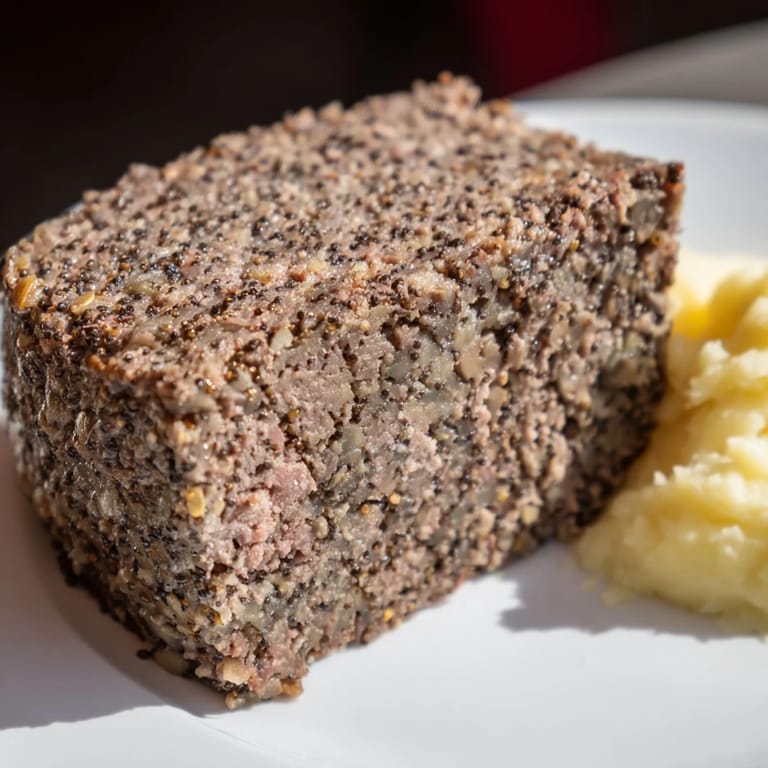
Save Haggis is the kind of dish that rewards your willingness to try something unfamiliar. Once you've made it, you'll understand why it's cherished, and you might just find yourself making it again.
Recipe FAQ
- → What meats are used in Scottish haggis?
Traditional haggis uses sheep's heart, liver, and lungs, but lamb or beef mince can be substituted for a milder flavor.
- → How long should haggis be cooked?
The mixture is simmered for about 2 hours to ensure the ingredients meld and the pudding cooks through evenly.
- → What are neeps and tatties?
They are the classic side accompaniments of mashed turnips (neeps) and potatoes (tatties), usually served with haggis.
- → Can the casing be replaced?
Yes, if casing is unavailable, an oven-proof pudding basin covered tightly with foil can be used to cook the haggis mixture.
- → Are there vegetarian alternatives?
Vegetarian versions substitute meats with pulses, mushrooms, and vegetable suet while maintaining the traditional spices and texture.
- → What seasonings enhance the flavor?
Typical spices include black pepper, coriander, nutmeg, allspice, and salt, which create a balanced and aromatic profile.