 Save
Save There's something almost magical about watching pasta dough transform from pale flour to a vibrant green that seems to glow under kitchen light. The first time I made spinach pasta, I was chasing that color, convinced it would taste as stunning as it looked. What I didn't expect was how the earthy sweetness of spinach would become subtle and elegant once kneaded into the dough, making each bite taste like something both familiar and special.
I remember my partner walking into the kitchen while I was at the pasta machine, flour dusting my hair, and they said it looked like I was making confetti. What they didn't realize was that this wasn't just about the meal—it was about having something homemade to share, something that proved I'd spent time thinking about them.
Ingredients
- Fresh baby spinach: 100 g of tender leaves create that stunning color while staying mild enough not to overpower delicate pasta. Removing the stems isn't a step to skip—it keeps the dough smooth and prevents gritty bits.
- Italian 00 flour: The silky texture is what makes homemade pasta worth the effort. It's finer than all-purpose flour and creates that tender, luxurious bite you can't fake.
- Semolina flour: Optional, but adds a subtle nuttiness and helps prevent sticking if you're using a pasta machine. I include it for texture and because it reminds me of watching pasta makers in small Italian towns.
- Large eggs: They're your binder and richness—two is exactly right for this amount of flour. Cold eggs can shock the dough, so I let them sit on the counter for a few minutes first.
- Fine sea salt: Just enough to season the dough itself, not the finished pasta. It's the difference between flat and flavorful.
Tired of Takeout? 🥡
Get 10 meals you can make faster than delivery arrives. Seriously.
One email. No spam. Unsubscribe anytime.
Instructions
- Blanch the spinach until it surrenders:
- Watch the leaves wilt in boiling water for just 30 seconds—that's the magic window where spinach becomes tender without turning dark and bitter. The squeeze afterward is tedious but essential; excess water is the enemy of good pasta dough.
- Blend spinach into a silky green purée:
- A food processor makes this almost instant, but you can finely chop by hand if you prefer. The finer the purée, the more evenly the color spreads through your dough.
- Build your well and begin the dance:
- Mound your flour on a clean surface, make a well deep enough to hold the eggs, and add your spinach purée to the center. Using a fork to gently draw flour into the wet ingredients teaches your hands what the dough wants before you dive in with your whole body.
- Knead until the dough becomes silky and alive:
- Eight to ten minutes of kneading transforms everything from sticky chaos into something smooth and elastic that practically bounces under your palms. You'll feel the exact moment it shifts from needing work to being ready.
- Let it rest and remember why patience matters:
- Thirty minutes wrapped tightly in plastic lets the gluten relax and the flavors settle. Skip this and your dough will fight you during rolling; honor it and you'll roll with ease.
- Roll and shape with the confidence of someone in control:
- Whether you're using a pasta machine or rolling pin, work the dough gently and dust with flour as you go. Machine rolling takes five minutes and feels like magic; rolling pin work takes longer but connects you to centuries of cooks who did the same.
- Cook with just two minutes of attention:
- Fresh pasta cooks faster than you'd believe—drop it into rapidly boiling salted water and taste at the one-minute mark. Al dente isn't a rule, it's a preference, and nobody's judging if you like it slightly softer.
 Save
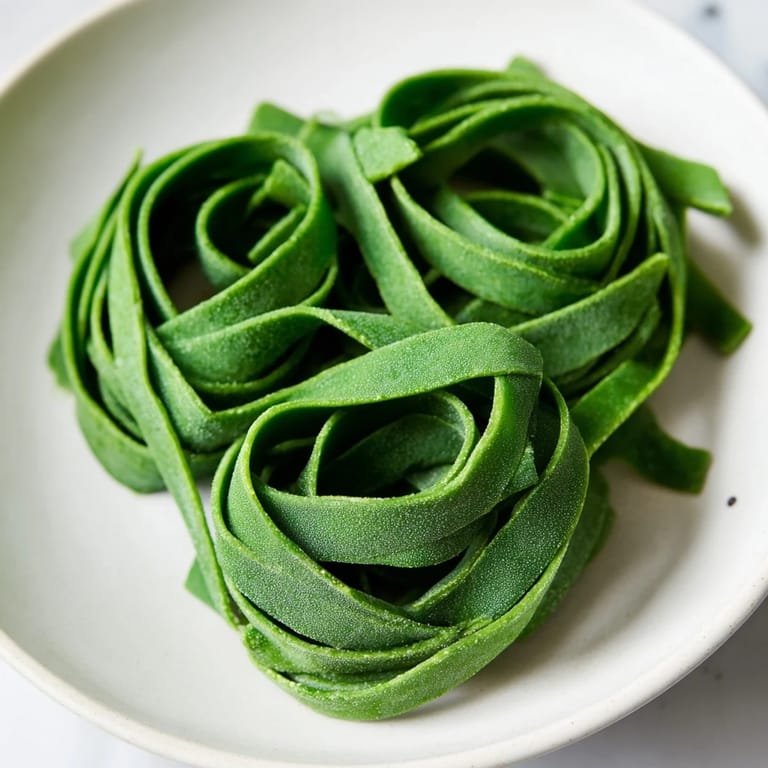
Save What made this dough special wasn't just the taste—it was watching someone I love bite into a plate of green fettuccine and close their eyes for just a second. That moment reminded me that cooking with your hands, choosing real ingredients, and spending time on something simple is its own kind of love language.
Flavor Variations Worth Exploring
A tiny pinch of nutmeg is whispered into the dough by Italian grandmothers and professional cooks alike, and once you add it, you'll wonder why every spinach pasta doesn't include it. It doesn't announce itself as nutmeg—it just makes everything taste more like itself. Whole wheat flour swapped for some of the 00 flour brings an earthier, nuttier profile that's wonderful if you like dough with personality.
Storage and Make-Ahead Wisdom
Fresh dough keeps beautifully in the refrigerator for up to 24 hours wrapped tightly, which means you can make it one evening and shape it the next day when you have more energy. I've also frozen shaped pasta successfully for up to three months—just cook it straight from frozen, adding an extra 30 seconds to the boiling time.
Shapes and Uses
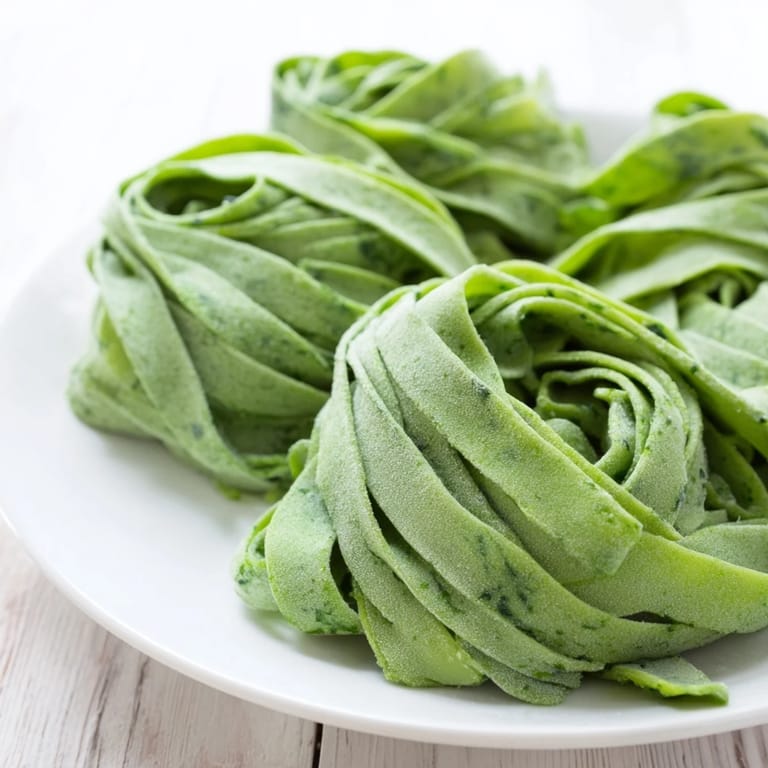
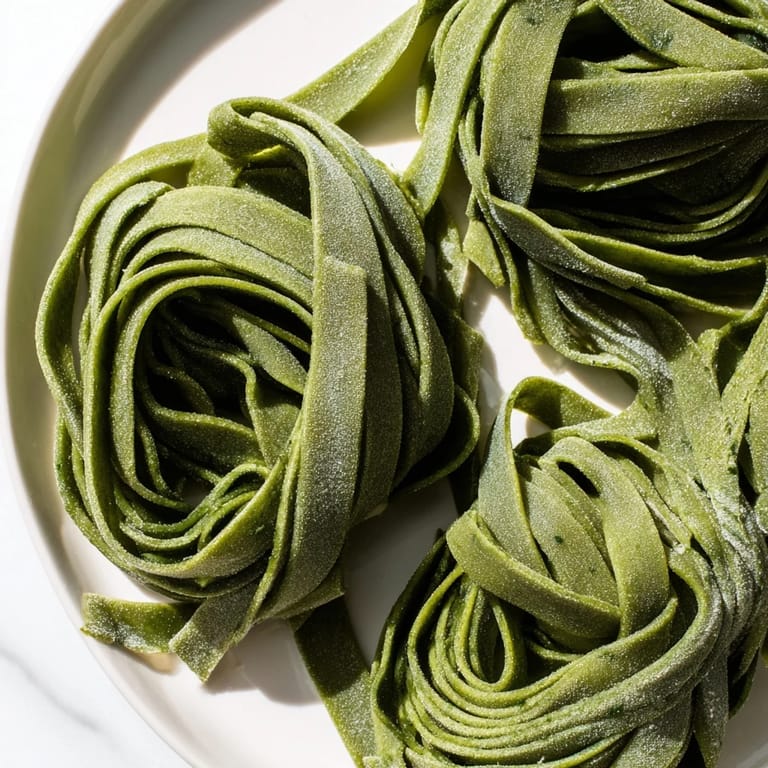
This dough is forgiving enough for a beginner's fettuccine but sturdy enough for filled pasta like ravioli or tortellini where you need the dough to hold up during manipulation. It also makes gossamer-thin lasagna sheets that cook into something almost luxurious, and tagliatelle ribbons that catch sauce in all the right ways. I've even used the dough for pappardelle, which is just cutting wide ribbons and feeling like an absolute professional.
- Thicker cuts like fettuccine hide minor rolling imperfections better than thin tagliatelle.
- If making ravioli, keep the dough slightly thicker than you think you need—it's forgiving during sealing and cooking.
- Dust finished shapes with semolina rather than flour before storing or cooking to prevent sticking without adding extra gluten.
 Save
Save Making spinach pasta dough is a small act that feels bigger than itself, a way of slowing down and creating something with your hands. Every time you roll it out, you're joining a long tradition of cooks who believed that homemade matters.
Recipe FAQ
- → How do I prepare the spinach for the dough?
Blanch fresh spinach in boiling water for 30 seconds, then cool in cold water and squeeze out excess moisture before pureeing for the dough.
- → Can I substitute whole wheat flour in this dough?
Yes, replacing part of the 00 flour with whole wheat flour adds a nuttier flavor and slight texture variation.
- → How long should I knead the dough?
Knead by hand for 8 to 10 minutes until the dough feels smooth and elastic, adjusting flour or water as needed for consistency.
- → What is the cooking time for fresh pasta made from this dough?
Fresh pasta cooks quickly, usually 1 to 2 minutes in boiling salted water until al dente.
- → Can I prepare and store the dough ahead of time?
Yes, wrap tightly and refrigerate the dough for up to 24 hours before rolling and shaping.
- → What tools are recommended for rolling and cutting the dough?
Use a pasta machine or rolling pin to roll out the dough, and a knife or pasta cutter for shaping.