 Save
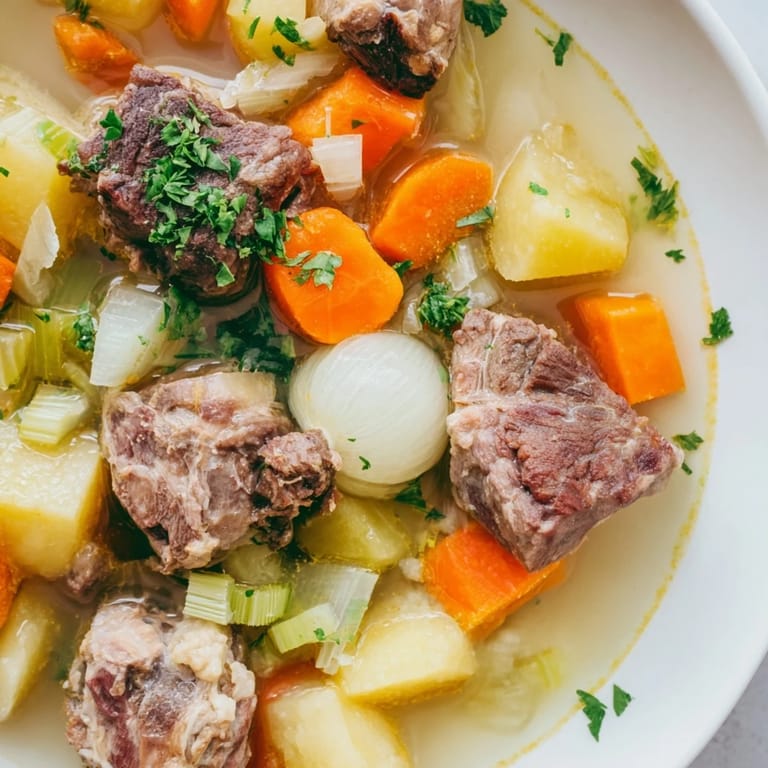
Save My grandmother's kitchen smelled like lamb broth simmering for hours whenever winter truly set in. She'd stand at the stove in her cardigan, tossing root vegetables into the pot with barely a glance, moving with the kind of ease that only comes from making the same dish a hundred times. That's where I first tasted cawl—not from a recipe book, but from watching her hands work, listening to the gentle bubble of the stock, and understanding that some meals are about patience more than technique.
I made this for a friend who'd just moved into her first flat, and I brought it in a thermos because I knew a fancy dinner wasn't what she needed—she needed something that tasted like being cared for. We sat at her half-unpacked kitchen table, steam rising from the bowls, and she told me stories about why she'd chosen Wales for a year. That's when I really understood cawl: it's not flashy, but it's exactly what your body wants when your heart needs settling.
Ingredients
- Lamb shoulder (1 kg, bone-in): The bones give the broth its depth and richness, and the meat becomes so tender it nearly falls apart on your spoon by the end.
- Carrots (2 large, sliced): They sweeten the broth naturally as they cook down, which is why you don't need to add sugar or honey.
- Parsnips (2 medium, sliced): These bring an earthy, slightly sweet undertone that makes the whole pot taste more complex than it has any right to.
- Potatoes (2 medium, diced): They thicken the broth as they break down a little, making it feel more substantial.
- Swede (1 small, diced): If you skip this, the stew still works, but this vegetable adds a subtle, almost peppery note that makes people ask what the secret ingredient is.
- Leeks (2, sliced): Add most of them early, then save a handful for the last 10 minutes so you get both soft layers and fresher flavor.
- Onion (1 medium, diced): This builds flavor from the start and mostly disappears into the broth.
- Stock (1.5 liters): Lamb stock deepens everything, but chicken works if that's what you have; just accept it'll be slightly lighter.
- Bay leaves (2): These perfume the whole pot and must be removed before serving—a lesson I learned by accidentally biting one.
- Fresh parsley: The fresh bunch goes in at the end for brightness; dried won't give you that same lift.
- Salt and black pepper: Taste as you go near the end; you'll need more than you think because the long cooking makes flavors more subtle.
Tired of Takeout? 🥡
Get 10 meals you can make faster than delivery arrives. Seriously.
One email. No spam. Unsubscribe anytime.
Instructions
- Start your broth:
- Place the lamb chunks in your large pot and cover them completely with stock. Bring everything to a rolling boil—you'll see gray foam rise to the surface, which is just impurities. Skim it off with a spoon or small ladle; this takes a minute but makes the final broth clearer and cleaner tasting.
- Let it simmer gently:
- Drop the heat to low, add your bay leaves, and cover the pot. Let it bubble very softly for a full hour—you want to hear the occasional quiet glug, not an aggressive boil. The lamb will start to soften and the broth will develop color and body.
- Build your vegetable layers:
- After the hour is up, add your carrots, parsnips, potatoes, swede, onion, and most of your leeks (but not all—keep about a handful aside). Season generously with salt and pepper. The vegetables will release moisture and flavor into the broth, making it taste richer.
- Finish the cooking:
- Continue simmering, covered, for another 45 minutes. You're looking for the vegetables to be completely tender and the lamb to shred if you press it with a spoon. Taste the broth now; you might need another pinch of salt.
- Brighten at the end:
- Add your reserved leeks and the fresh chopped parsley, then simmer for 10 more minutes. This last addition brings freshness and makes the whole dish feel alive instead of just heavy.
- Taste and finish:
- Pull out the bay leaves and adjust your seasoning one final time. Some pots need more pepper than others, depending on the broth you started with—trust your palate here.
 Save
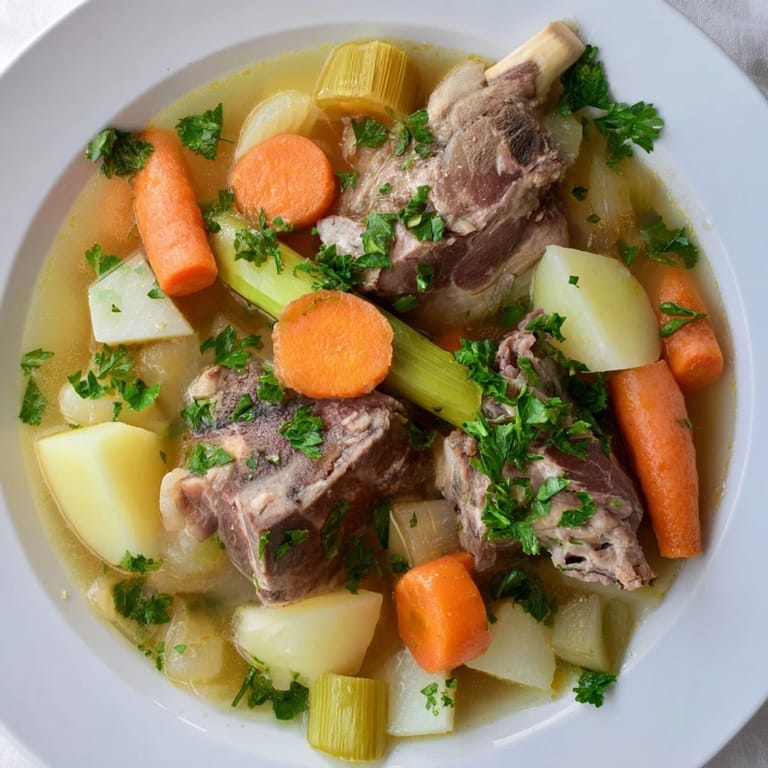
Save A neighbor once tasted this and asked if I'd been cooking it for three days—it tasted too good to have made on a weeknight. I told her the truth, which is that Welsh stews work magic through time and gentleness, not fancy ingredients or complicated steps. That conversation made me realize cawl is a kind of alchemy where you give the pot permission to do its own thing.
Why Cawl Tastes Better the Second Day
If you have time, make this the day before you plan to eat it. Leave it in the pot overnight, and the flavors will marry and deepen in a way that's almost startling when you reheat it the next day. The lamb becomes even more tender, the vegetables soften further, and the whole thing tastes like it's been cooking for four hours instead of two. Cold weather makes this even better—pull it from the fridge, reheat it slowly, and taste how the flavors have gotten friendlier with each other.
What to Serve Alongside
Crusty bread is the traditional choice, and it serves a purpose beyond just being nice to have: you'll want something to soak up the last of the broth, which is honestly the best part of the bowl. Some people add Welsh cheese like Caerphilly on the side, which brings a sharp, salty contrast to the soft vegetables and rich lamb. You could also serve it with a sharp green salad if you want something bright and acidic to cut through the richness.
How to Adapt This Recipe
Cawl is forgiving in a way that makes it perfect for improvisation. If you don't have swede, use more carrot or add celery root; if parsnips aren't available, increase the carrots instead. Beef chuck works beautifully if you want to avoid lamb, though you'll lose some of that specific Welsh flavor. You can even make it lighter by using chicken thighs, though you'll need to reduce the cooking time to 90 minutes total so the meat doesn't fall completely apart.
- Vegetarians can substitute the lamb with extra mushrooms, lentils, and hearty greens for depth without meat.
- If you're cooking for someone avoiding gluten, the stew itself is naturally gluten-free—just skip the bread or choose a certified option.
- Make this in a slow cooker on low for 6 to 8 hours if you want to come home to a finished meal.
 Save
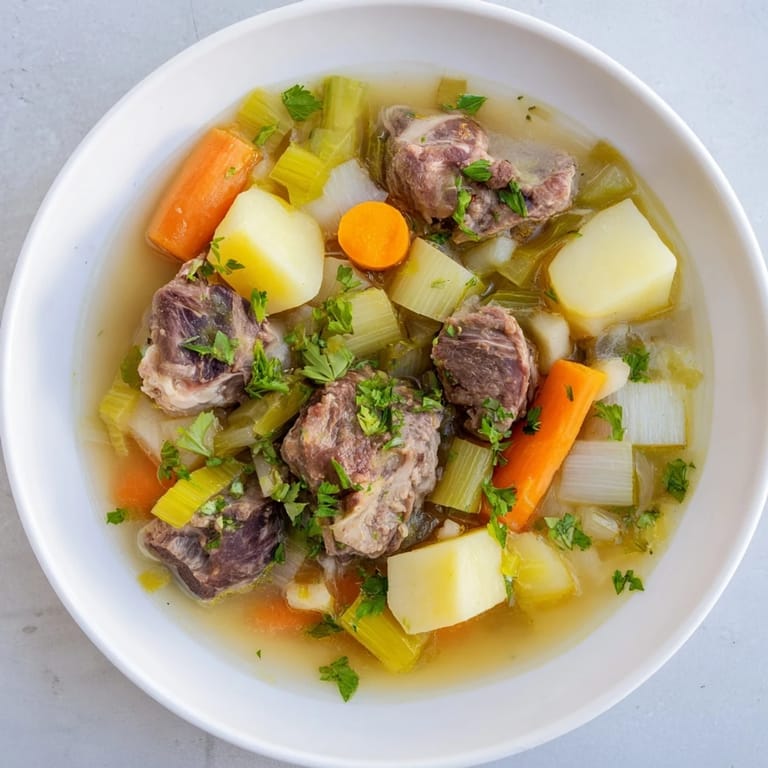
Save This is the kind of dish that teaches you something every time you make it. Once you understand how it works, you'll find yourself making it whenever someone needs feeding or whenever the season turns cold and your kitchen feels like the warmest room in the world.
Recipe FAQ
- → What cut of meat is best for this stew?
Lamb shoulder with the bone in is ideal, as it provides rich flavor and tender meat when slow-cooked.
- → Can I substitute any vegetables in this dish?
Yes, traditional root vegetables like carrots, parsnips, potatoes, and swede create the signature taste, but you can adjust based on availability.
- → How long should the stew simmer?
Simmer gently for about two hours total to ensure the lamb is tender and the vegetables are soft.
- → Are there any recommended serving suggestions?
Serve with crusty bread or traditional Welsh cheese like Caerphilly to complement the stew's flavors.
- → Can this stew be prepared in advance?
Yes, allowing it to rest overnight enhances the flavors, making it an excellent make-ahead dish.